Recipes
← Food

Fermentation

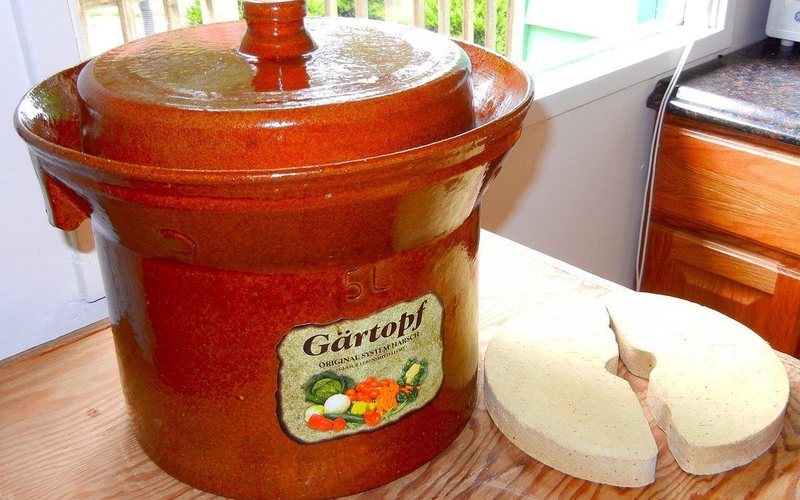
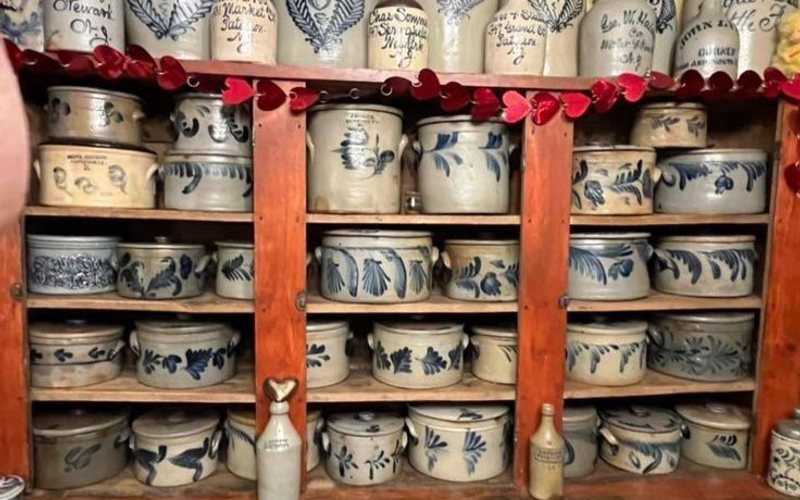
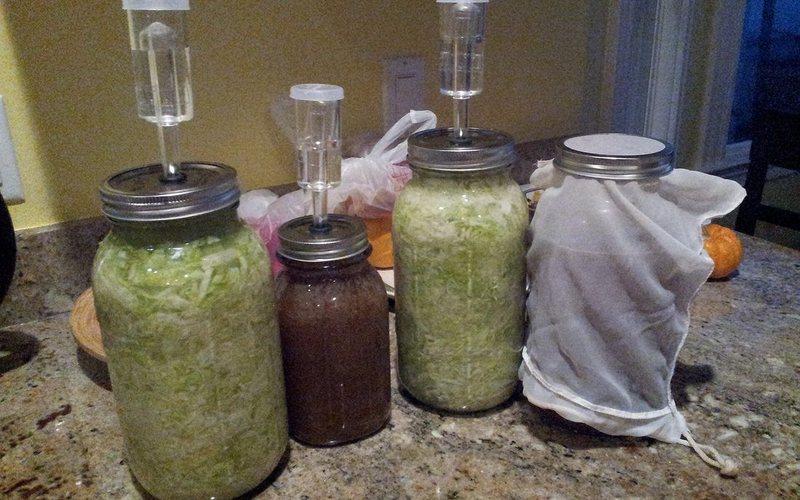
I have been doing this since the early eighties, when I made yogurt in half-pint jars inside a cardboard box with a light bulb in it, run by a PID controller. My first sauerkraut, in a one-gallon crock, did not turn out well — so I backed down to a half-gallon jar with an airlock in a rubber bung, and that worked, and I still use it. From there it went up: a German water-sealed Gärtopf, which I love, and then stoneware crocks at five, ten and finally thirty gallons, with wooden tops I cut myself. Thirty gallons of cabbage going sour in the basement perfumes the entire house through a closed door, and I consider that a feature. This is all of it — the history, what is actually happening in the crock, how to start small, and every ferment I have got my hands into.
A History of Fermentation
A History of Fermentation Older than agriculture, and for most of that time run on a completely wrong theory. The two stories everybody tells about my own crocks are folklore: Genghis Khan did not bring sauerkraut to Europe (Cato was salting cabbage 1,300 years earlier), and Captain Cook drew the wrong conclusion from his own success — costing sailors two more decades of scurvy. Explore →
The Basics
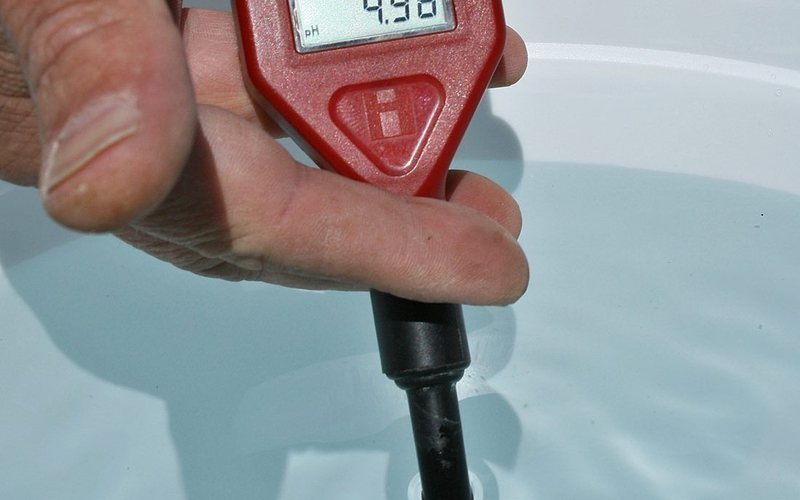
The Basics The five fermentation families, and why advice about one does not transfer to another. The microbial relay race that takes a crock from pH 6 down past 3.4, why that means it gets *safer* rather than spoiled, and the two rules that actually matter. Explore →
Getting Started: Small, in a Jar
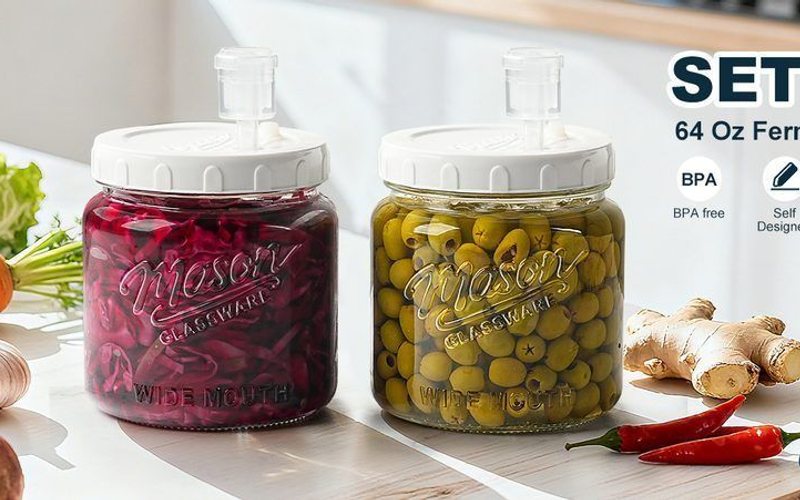
Getting Started: Small, in a Jar Start in a half-gallon jar with an airlock in a rubber bung — not a crock. My first ferment was kraut in a one-gallon crock and it failed, so I backed *down* to a jar, and that is the order I would teach. Everything you need, under fifty dollars. Explore →
Vessels & Crocks
Vessels & Crocks Every vessel ever built answers one question: how do I let the gas out without letting the air in? Jars, the German water-sealed Gärtopf (which is *not* a Schmortopf — that is a braising pot), and the big stoneware with the wooden followers I cut myself. Plus the glaze question nobody asks and should. Explore →
Is This Safe? The Honest Answer
Is This Safe? The Honest Answer There are no documented cases of botulism from any fermented vegetable — not kraut, kimchi, pickles, kombucha or kefir. Where fermentation genuinely does kill people is Alaska, and it is fish; and the mechanism is the lesson, because switching to a cleaner modern container is what made a traditional food lethal. Explore →
Salt & Water
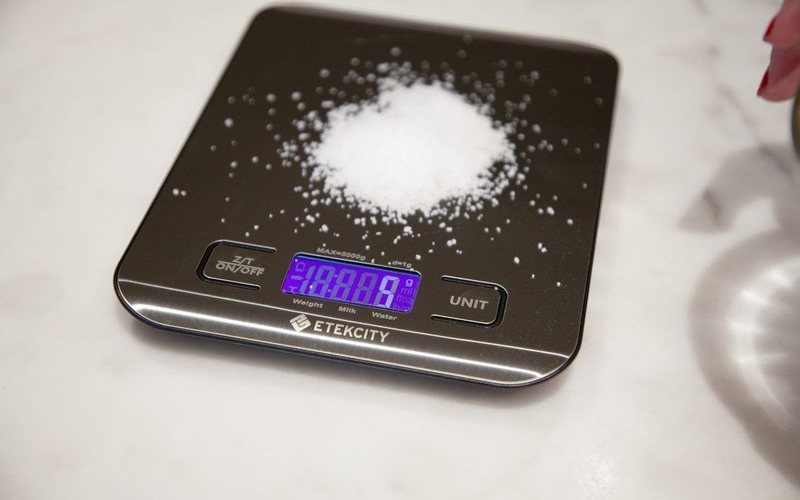
Salt & Water The one number you never guess. The two ways to compute it, the percentages for everything, and why a tablespoon of Diamond Crystal is barely half the salt of a tablespoon of pickling salt. Also: the iodized-salt panic is overstated, and the sourced objection is only cloudiness. Explore →
Sauerkraut
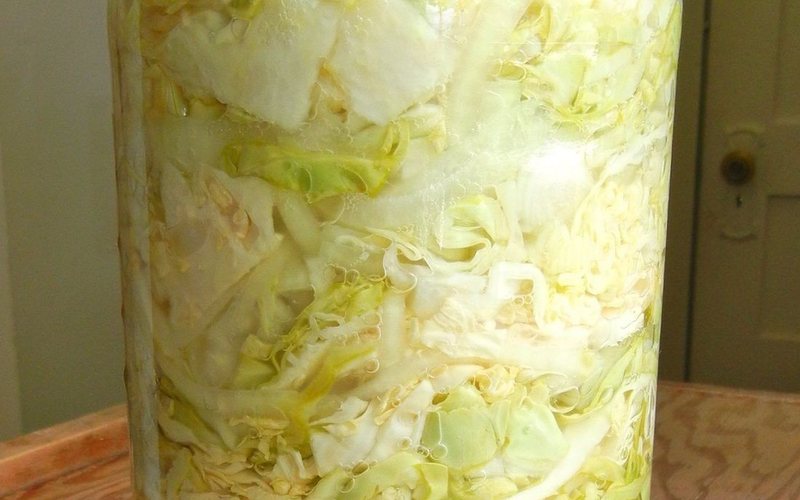
Sauerkraut Cabbage and salt at 2.25%, and nothing else. The cabbage to buy, the cut, the pounding, the temperature that decides whether it is good or merely sour, and what thirty gallons in a basement crock actually means — including what it does to the smell of the whole house. Explore →
Fermented Cucumber Pickles
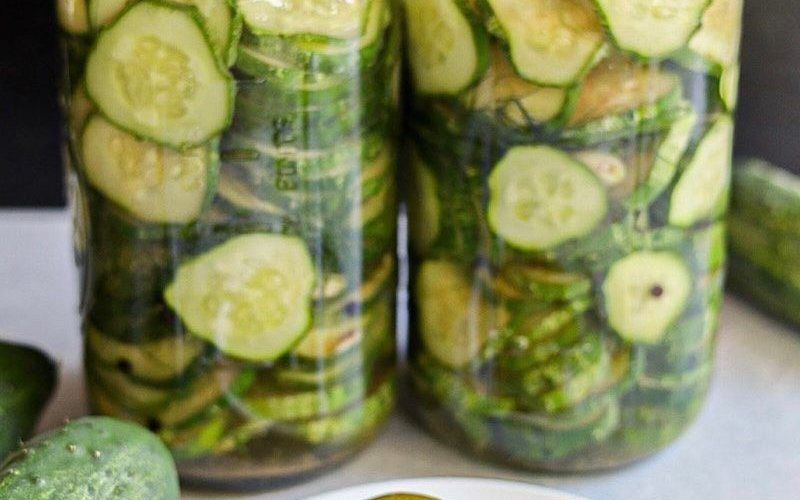
Fermented Cucumber Pickles My favorite thing I make, and the hardest of the common vegetable ferments. Why a real pickle is a different food from a vinegar one, the 1/16-inch slice off the blossom end that saves the crunch, and how to read a pickle by its cross-section from half-sour to full-sour. Explore →
Kimchi & the Asian Table
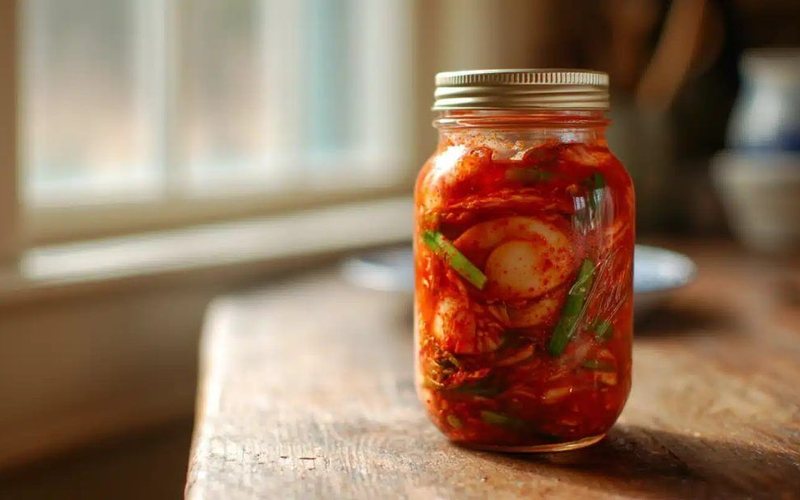
Kimchi & the Asian Table Europe salted cabbage and stopped; Asia salted, fermented and then *seasoned*. Kimchi is a category of hundreds, it was not red for most of its history, and sour kimchi is not spoiled — it is cooking kimchi. Plus suan cai, pao cai, the Japanese rice-bran bed, and the fermented batter behind idli and dosa. Explore →
Yogurt
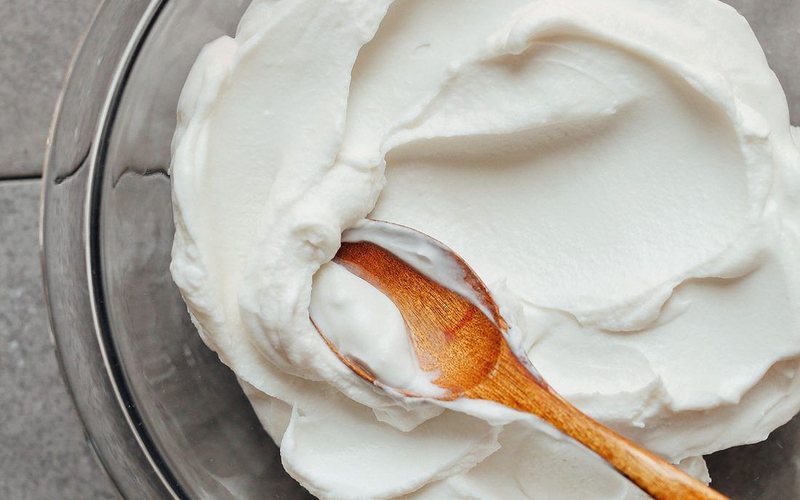
Yogurt I have made a lot of it, starting in the early 1980s in a cardboard box with a light bulb on a PID controller. Legally, yogurt is exactly two organisms — and 110 °F is not either one's favorite temperature. It is the dial that decides which of them wins, which means holding temperature is flavor authorship. Explore →
Non-Dairy Yogurt
Non-Dairy Yogurt Not "the same but with oat milk." Plant milks have no lactose to ferment and no casein to set, so you are acidifying a liquid and then thickening it by other means. Soy is the one real exception. What works, what needs help, and why oat is the most frustrating. Explore →
Kefir
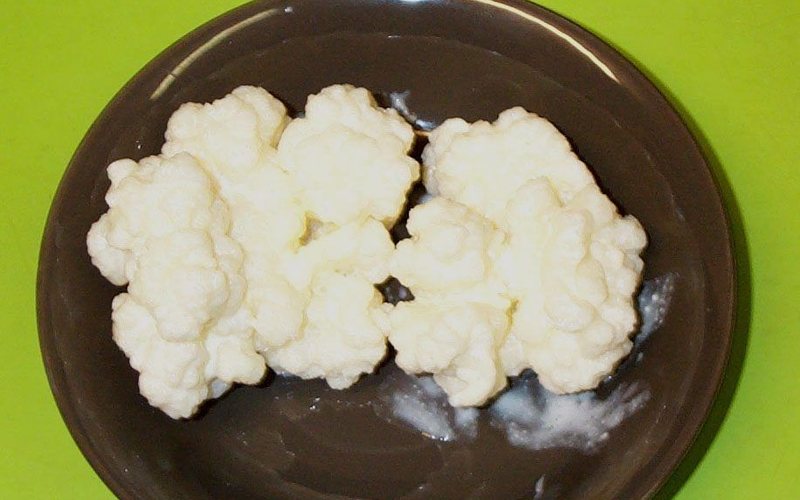
Kefir Less a recipe than a pet. Every kefir grain on earth descends from another kefir grain — the matrix is kefiran, made by one subspecies, housing 30 to 60 organisms, and nobody has ever assembled one from a starter. Milk kefir, water kefir, and why the internet articles promising otherwise are wrong. Explore →
Kombucha
Kombucha The most mythologized ferment there is. In Japanese, "kombucha" is the name of a kelp drink; the Dr. Kombu legend is a real 414 CE event with a beverage bolted on. The disc is not the culture. And it owns the only two documented safety incidents here — lead from a glazed pot, and an Iowa case that was never explained. Explore →
Other Fermented Drinks
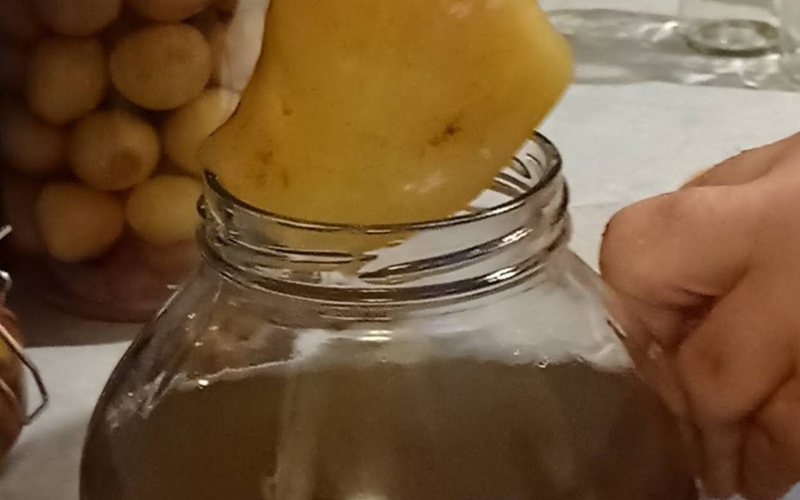
Other Fermented Drinks Most are faster and more forgiving than kombucha, and several are ready in three days. The ginger bug that turns any sweet liquid into soda, tepache from pineapple peel you would have thrown away, both kinds of kvass, kanji — and fermented hot sauce, which vinegar cannot touch. Explore →
Koji, Miso & Soy
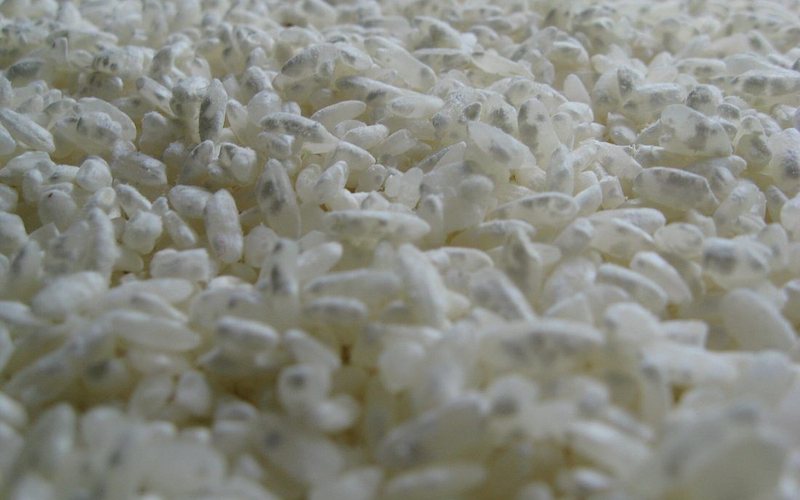
Koji, Miso & Soy Where you deliberately grow a mold. Koji is not a flavor, it is an enzyme factory — and once you see that, miso, soy sauce, sake, mirin and rice vinegar turn out to be one trick with different second steps. Plus tempeh, and natto, which raises pH instead of lowering it and so breaks every rule on the safety page. Explore →
Vinegar
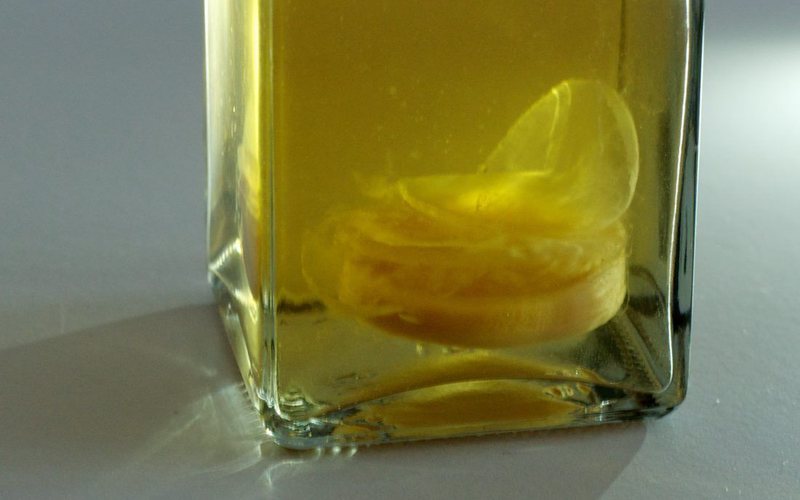
Vinegar The end of the road — every drink here becomes vinegar eventually, and that is not a failure. Two ferments in sequence, which is why you cannot go from sugar to vinegar directly, and why the mother is the same material as a kombucha pellicle. Also why "balsamic" is nearly a meaningless word. Explore →
Beyond Vegetables: The Protein Ferments
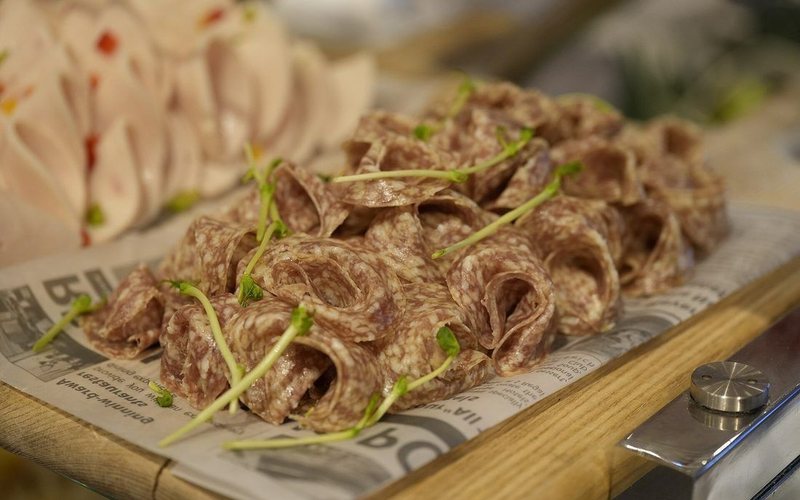
Beyond Vegetables: The Protein Ferments The part that is not forgiving. Cabbage brings its own sugar and acidifies to 3.4; meat brings none and stalls around 4.6 to 5.3, which is why fermented sausage needs nitrite, starter culture and a chamber. And the raw-sausage hurdle stack has no validated lethality against Salmonella and STEC. Explore →
Troubleshooting
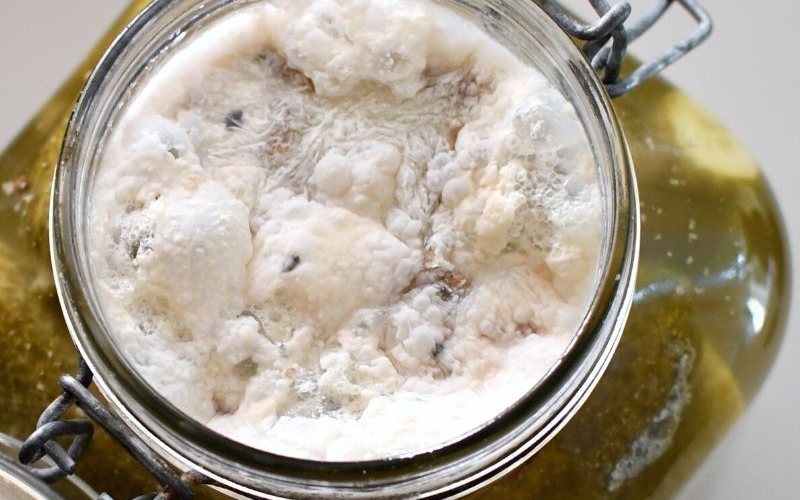
Troubleshooting Read this before something goes wrong. Kahm yeast versus mold — flat and white versus raised and fuzzy, and look from the side because mold has height. Soft pickles, hollow pickles, stalled ferments, ropy brine, colors that alarm people and shouldn't, and the short list of batches you genuinely do throw out. Explore →

Get new content

Occasional emails when something significant ships. No spam, unsubscribe anytime.