← Food
Flour
Every flour in the kitchen, from the wheat at the centre to rye, rice, buckwheat, chickpea, chestnut and cassava: where flour came from, what protein, starch and water do in a dough, how mills and label systems work, the heritage-grain claims tested against the studies, and eighteen recipes that each show off one flour. The kitchen these pages were written for bakes with store-brand flour; no grain mill has been bought yet — home milling is examined, not reviewed.
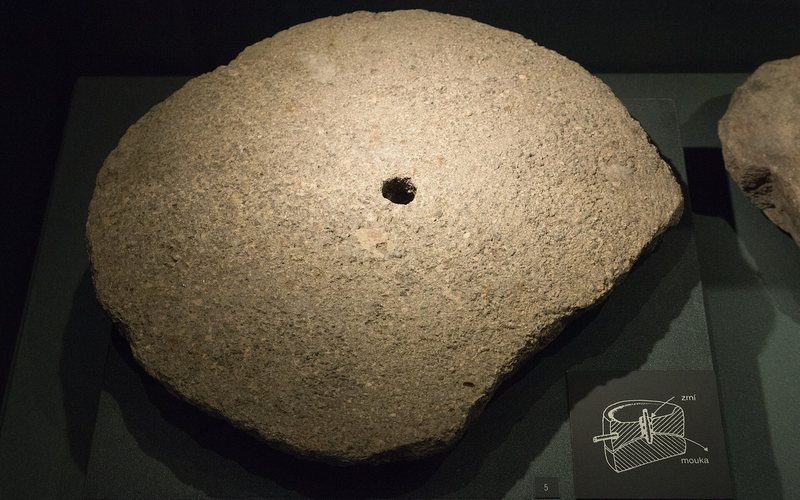
The History Grinding stones 23,000 years old, an automated mill with no one in it, the Minneapolis explosion that ended stone milling, and the long fight over bleach, bromate and enrichment. Explore →
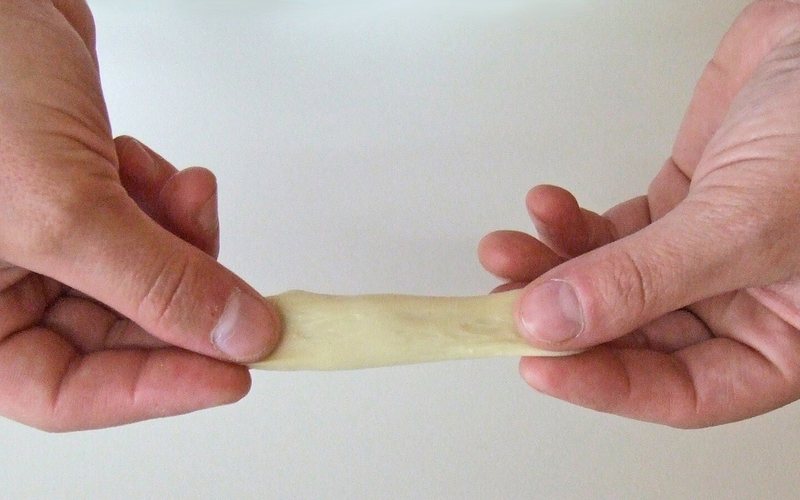
The Science Two proteins that make gluten, a gene that makes wheat hard or soft, damaged starch that drinks four times its weight in water, ash, falling number, and why whole wheat goes rancid twice. Explore →
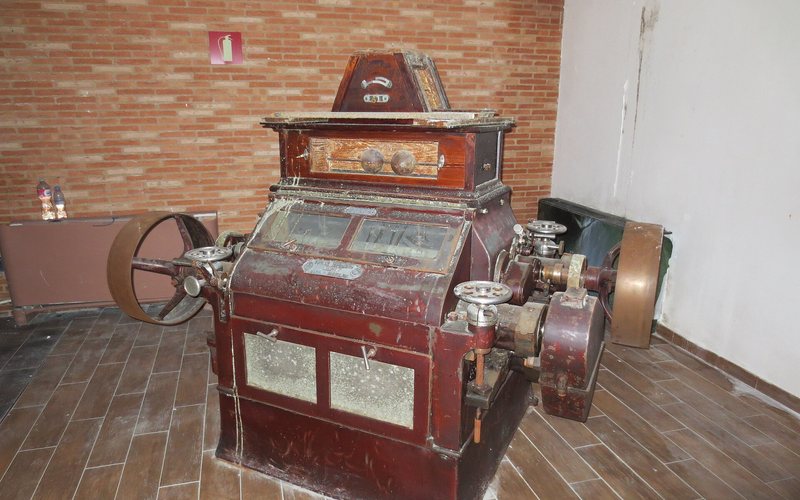
Milling Stones versus rollers, extraction rates, whole wheat that was taken apart and put back, the stone-ground nutrition claim tested, and what US law actually calls flour. Explore →
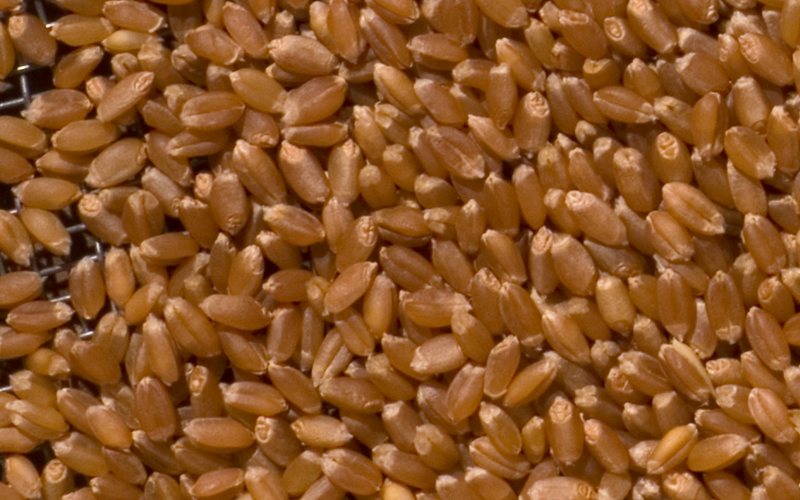
Wheat Classes The eight legal classes of US wheat, what each becomes, and why bread, cake and all-purpose are trade names rather than grades — with only the protein figures the mills themselves publish. Explore →
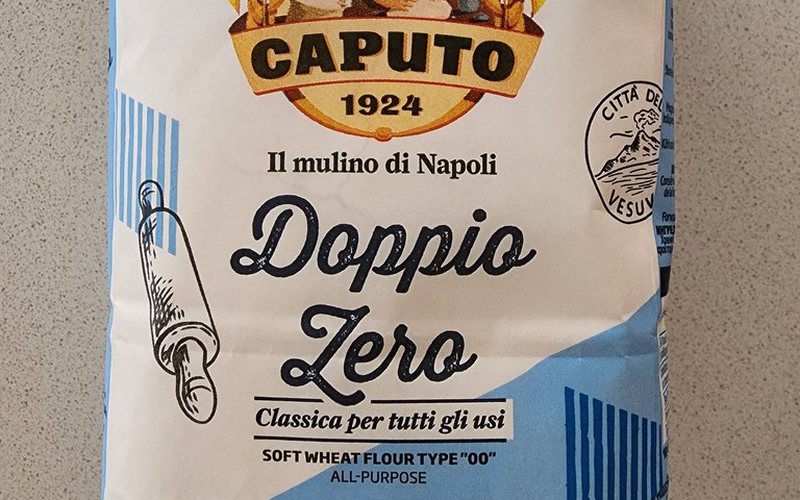
Reading the Label Tipo 00 has the lowest protein floor in Italian law. T55, Type 550, atta and maida, what each code measures, and a table for translating a European recipe. Explore →
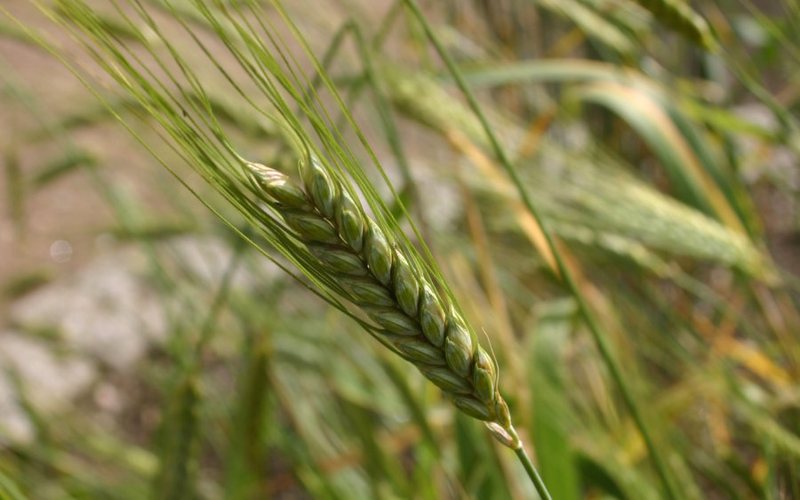
Durum, Ancient and Heritage Wheats Durum, einkorn, emmer, spelt and khorasan; the Turkey Red and Red Fife stories checked against the record; and what the studies say about 'less gluten' and coeliac safety. Explore →
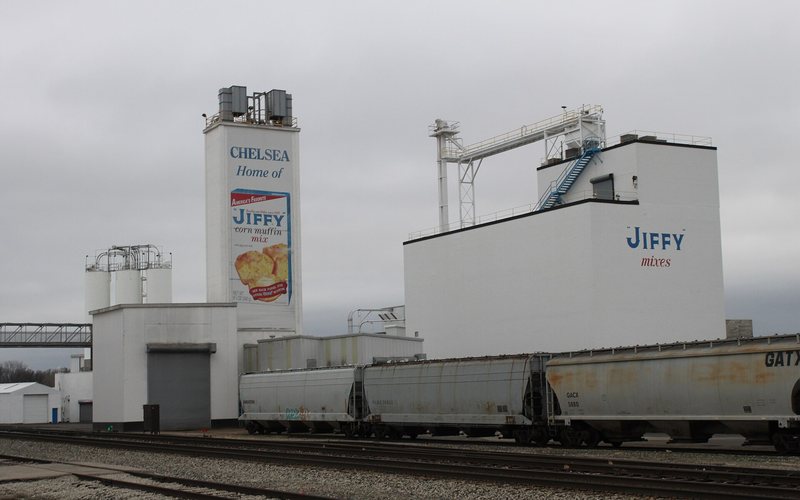
Michigan A soft-wheat state: a record 90-bushel crop that goes into cookies, crackers and cereal, and where a Michigan baker can buy local grain and flour. Explore →
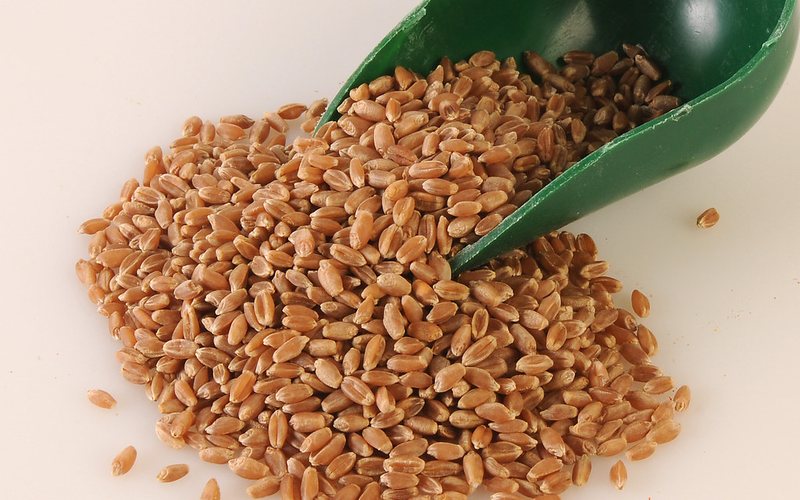
Home Milling A buyer's examination — no mill has been bought yet. Stone and impact mills compared, what fresh flour does in dough, the aging debate, and the folic-acid trade-off. Explore →
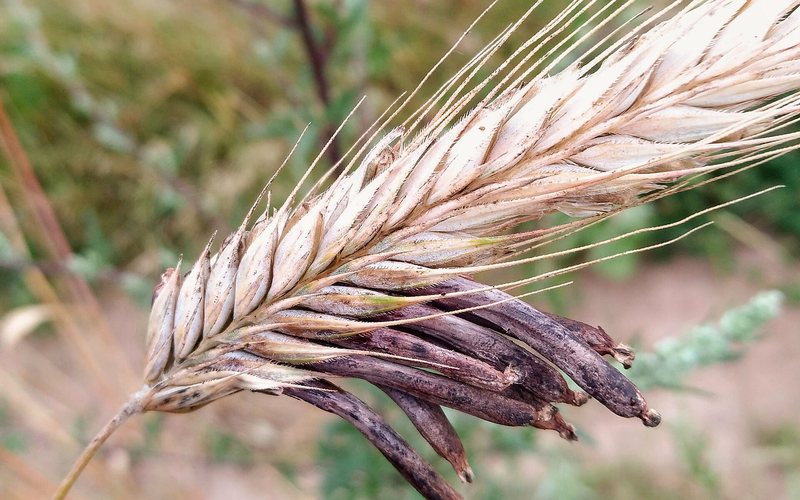
Rye, Barley and Oats Why rye needs acid rather than sourdough, German rye grades and legal pumpernickel, ergot and the Salem hypothesis, and why oats are a contamination problem for coeliacs. Explore →
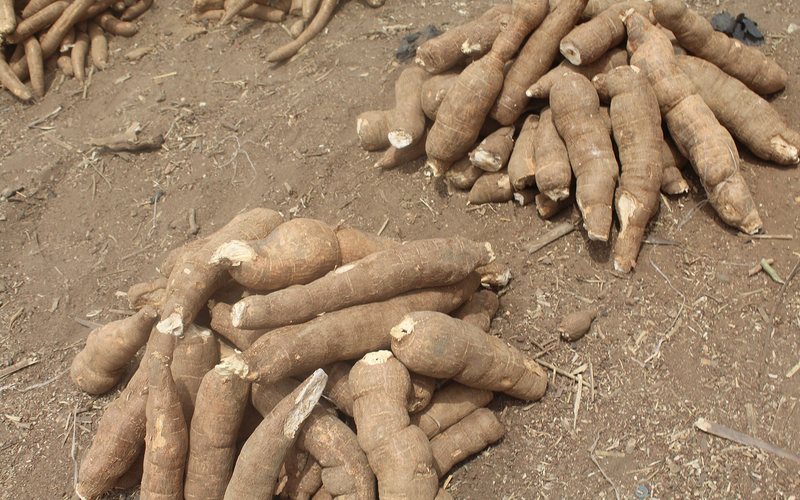
Corn, Rice and the Starches The cornflour trap, two rice flours that behave nothing alike, arsenic, cassava and the wetting method that stops konzo, and the difference between a flour and a starch. Explore →
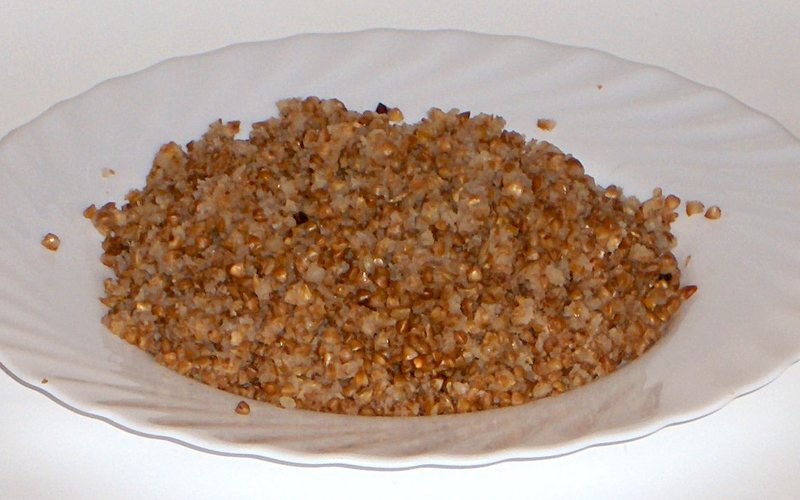
Buckwheat and the Small Grains Buckwheat is not a wheat, dried soba can be mostly wheat, and its allergy is serious. Sorghum, millets, amaranth, quinoa and teff. Explore →
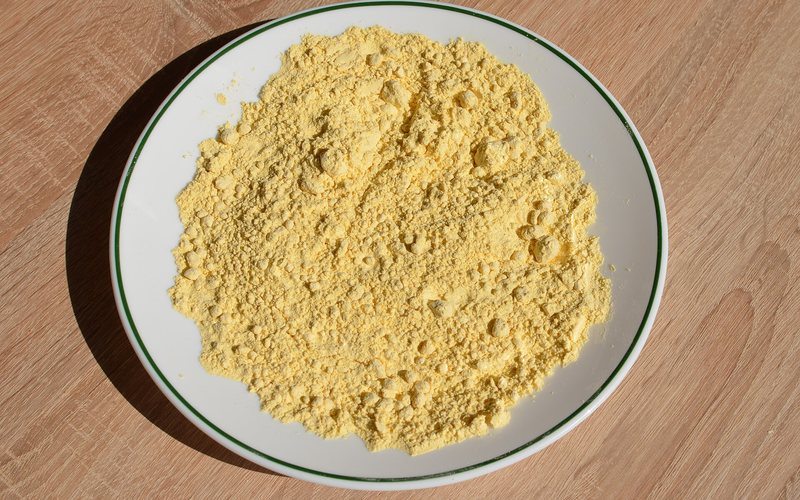
Legume, Nut and Seed Flours Besan and gram, fava in the French baguette, why undercooked beans are worse than raw, almond, coconut, chestnut, acorn, flax and the tiger nut that is not a nut. Explore →
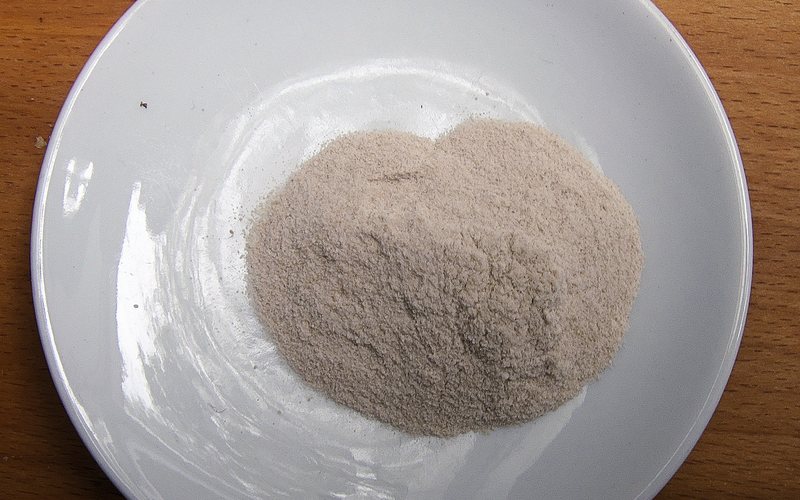
Gluten-Free Starch, protein and binder: what the cup-for-cup blends really contain, a blend to mix at home, and why a naturally gluten-free flour is not the same as a gluten-free one. Explore →
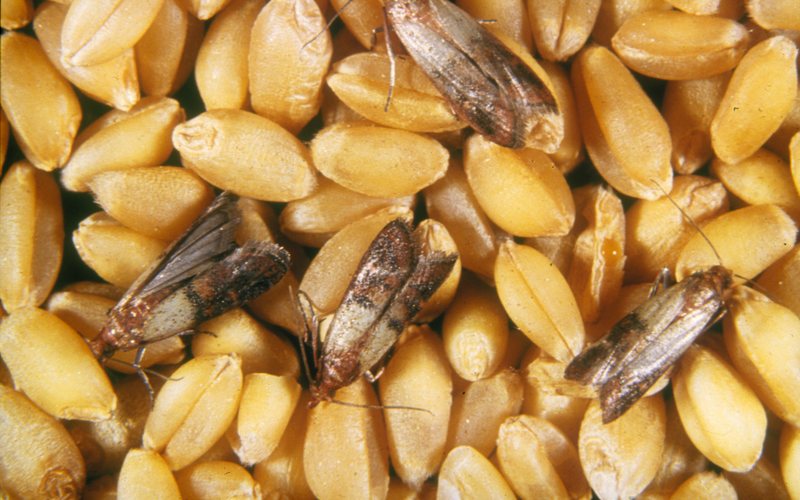
Safety and Storage Flour is raw. Four outbreaks since 2016, why heat-treating at home falls short, how long flour keeps, and the beetles that are not weevils. Explore →
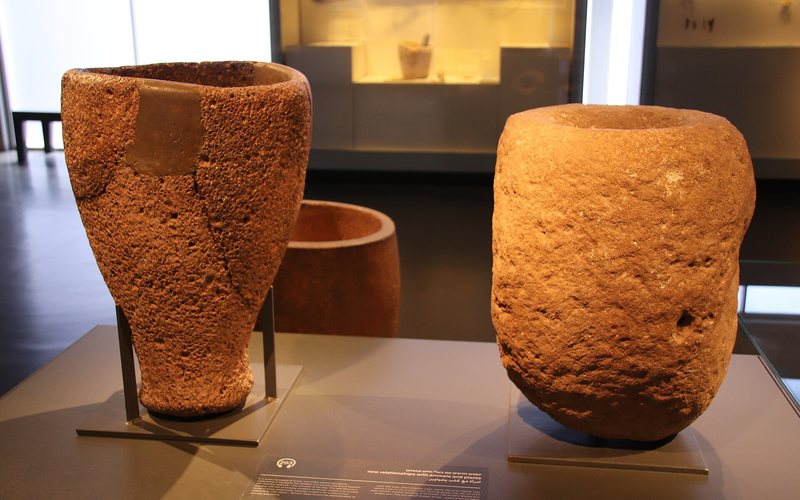
Corrections The claims the research overturned, the ones true only in a narrower form, and the ones that could not be confirmed. Explore →
Get new content
Occasional emails when something significant ships. No spam, unsubscribe anytime.