← Food
Peppers and Hot Sauce
The chile pepper from its five domesticated species and the plant in a short northern season, to what makes it hot, and every way a kitchen keeps it: fermented, vinegar and cooked sauces, tested pickled peppers, giardiniera, dried and smoked chiles. The safety rules stated plainly, the American shelf, and the chile sauces and pastes of Asia, Africa, the Middle East and the Americas — with twenty recipes.
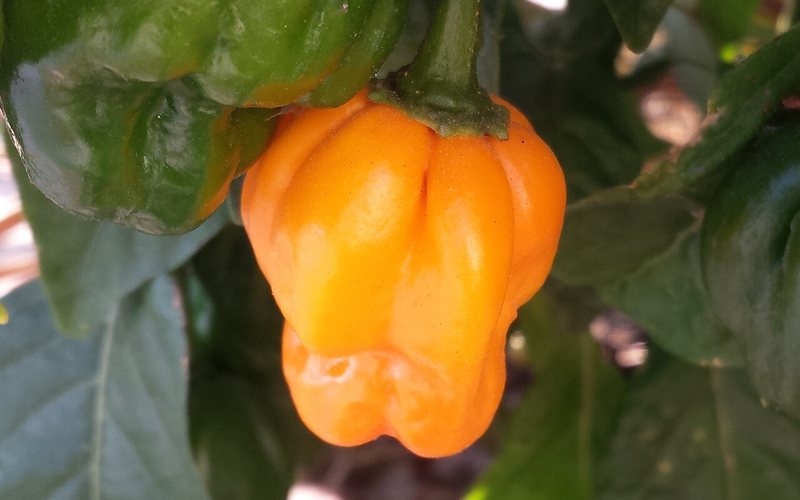
The Pepper Five domesticated species and which everyday peppers belong to each. Why the habanero is called “Chinese” when it is not, and why the heat is made in the pale placenta, not the seeds. Explore →
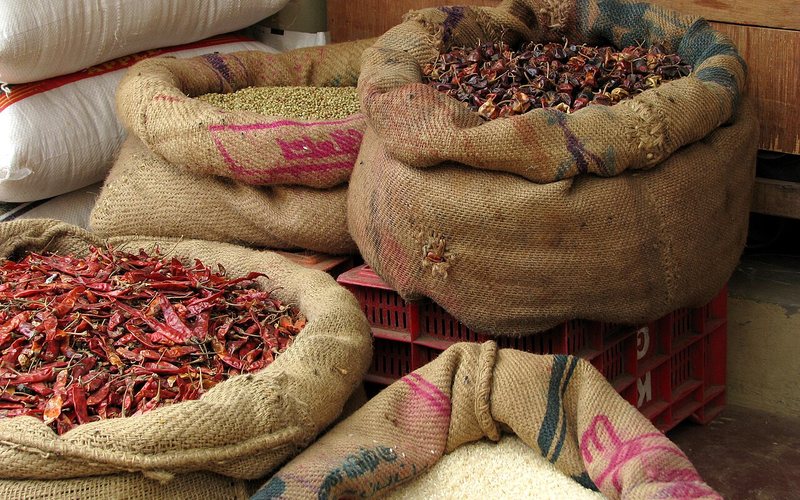
From Tehuacán to the Hot-Sauce Shelf Chile starch at sites up to 6,000 years old from the Bahamas to Peru, Columbus’s “aji, which is their pepper” in 1493, and the routes by which a Mexican plant reached Korea, Sichuan and Hungary. Explore →
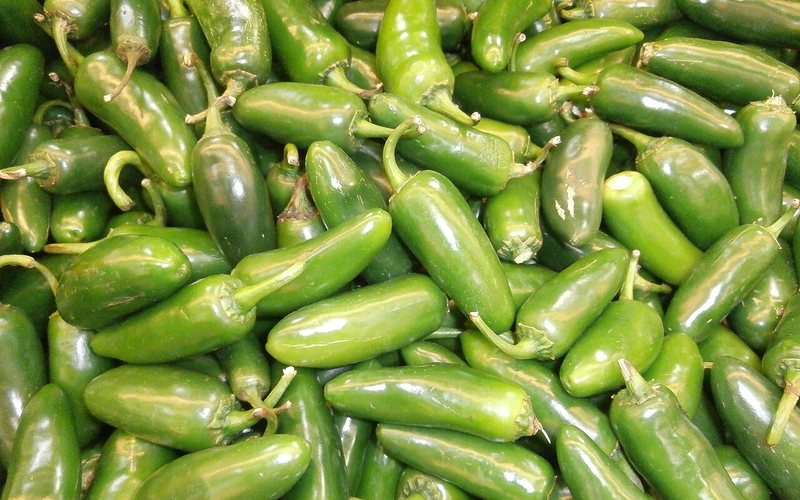
Heat: Capsaicin and Scoville The receptor behind a Nobel Prize, why birds feel nothing, Scoville’s 1912 tasting panels against HPLC, Pepper X, and why milk cools a burn through its protein — skim works as well as whole. Explore →
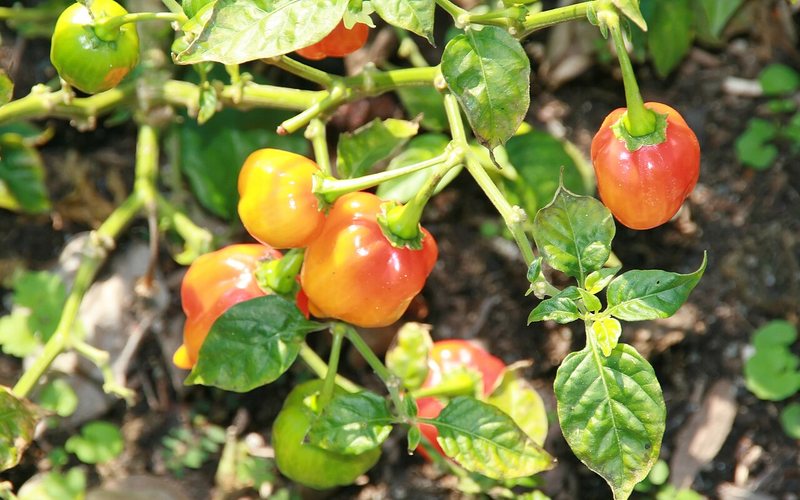
Growing Hot Peppers in a Short Season Starting jalapeños, serranos, habaneros and Scotch bonnets indoors, the soil and night temperatures that matter, picking by color, and isolating plants for seed. Explore →
Fermented Hot Sauce Mash versus brine, how much salt, what the bacteria do — and why a pepper ferment left to itself stalls around pH 4.8, short of the 4.6 that safety needs. Explore →
Vinegar and Cooked Sauces Louisiana style, Southern pepper vinegar, the two hot sauces the National Center for Home Food Preservation has tested, hot-filling, and the federal rule that adds heat on top of acid. Explore →
Safety: pH, Botulism and Oil Peppers are a low-acid food. The 1977 Michigan botulism outbreak from a restaurant hot sauce, garlic in oil, what a pH meter is for, and what Michigan’s cottage-food law allows. Explore →
Pickled Peppers Every tested NCHFP process for hot peppers, jalapeño rings, banana peppers and bell peppers, with altitude times; refrigerator escabeche; and keeping rings crisp. Explore →
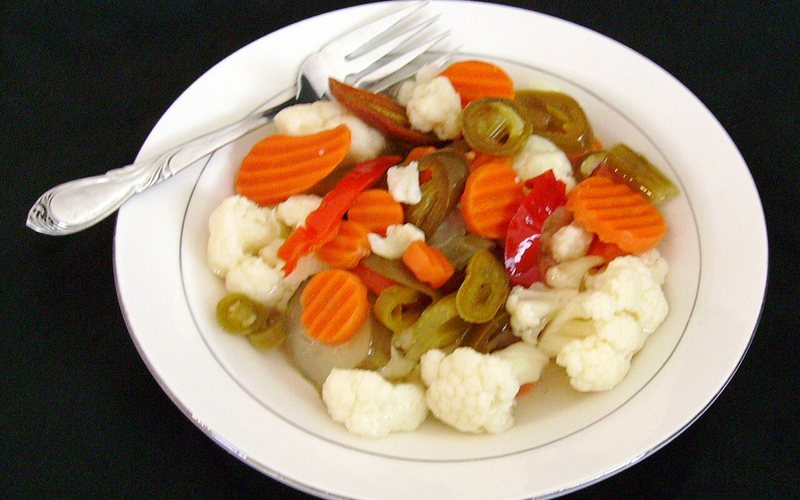
Giardiniera Chicago’s oil-packed relish and Italy’s vinegar pickle, the Italian beef sandwich, and why no tested process exists for giardiniera in oil, so it stays cold from start to finish. Explore →
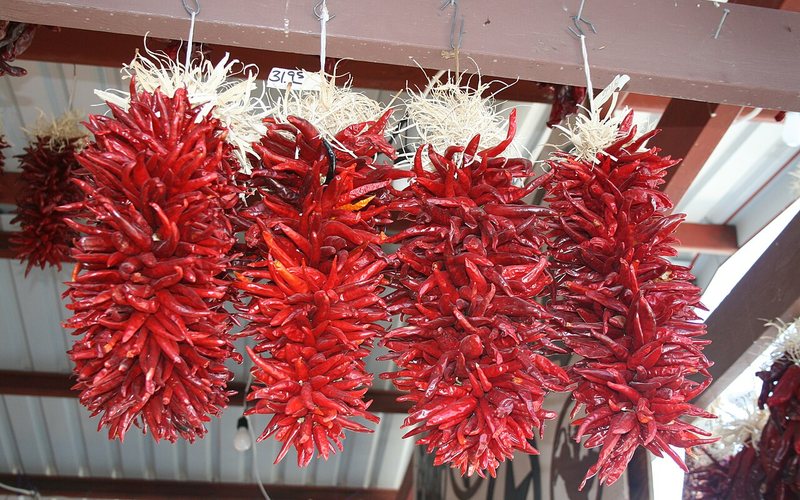
Dried and Smoked Chiles Drying temperatures, ristras, powders and flakes, and chipotle — a smoked jalapeño whose meco and morita forms no two sources describe the same way. Explore →
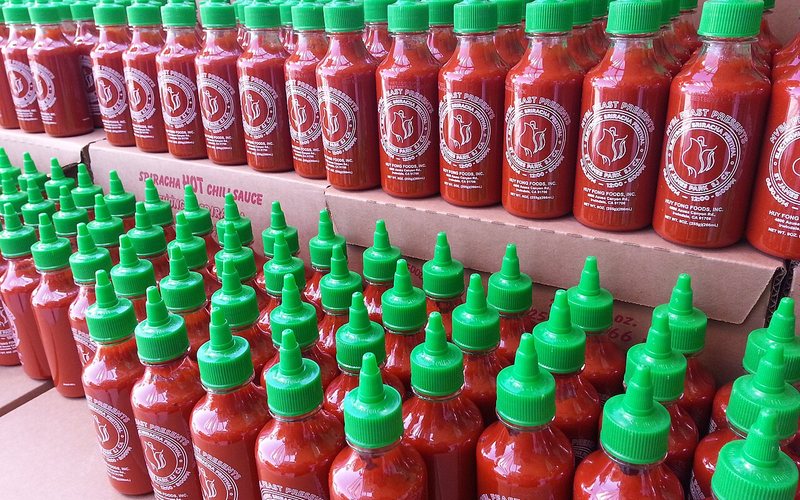
The American Shelf Tabasco’s 1868 crop and the Maunsel White dispute, Crystal, Frank’s and Buffalo wings, Texas Pete, Cholula, and what really lay behind the sriracha shortage. Explore →
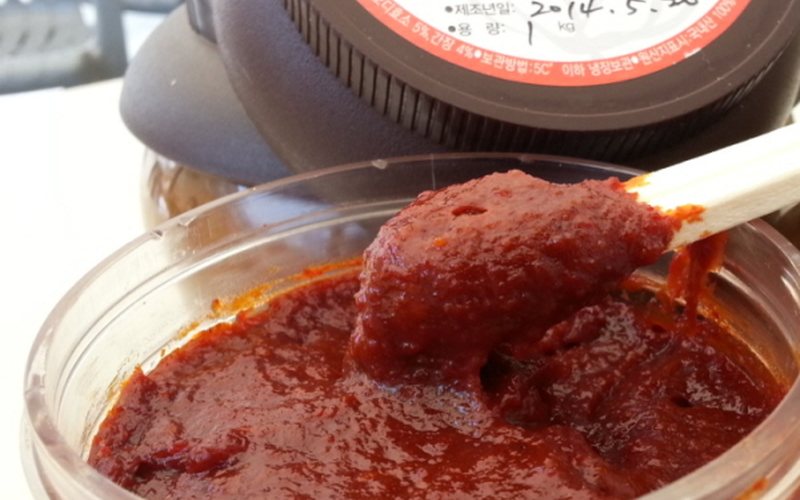
Asia’s Chile Sauces and Pastes Sriracha from Si Racha to Huy Fong, the sambal family, gochujang and a legend older than chiles in Korea, and chili crisp from a 1989 roadside eatery. Explore →
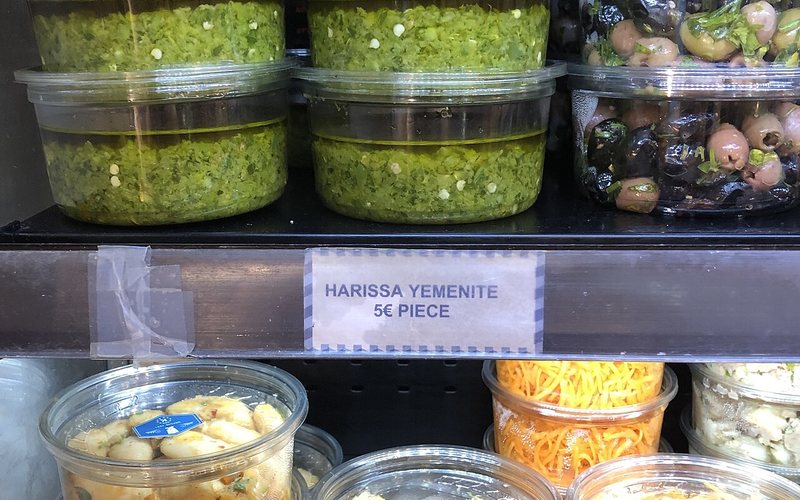
Africa, the Middle East and the Americas Harissa and its UNESCO listing, zhug, piri-piri and the Portuguese empire, Caribbean Scotch bonnet sauces, salsa macha, Valentina, ají and Southern pepper vinegar. Explore →
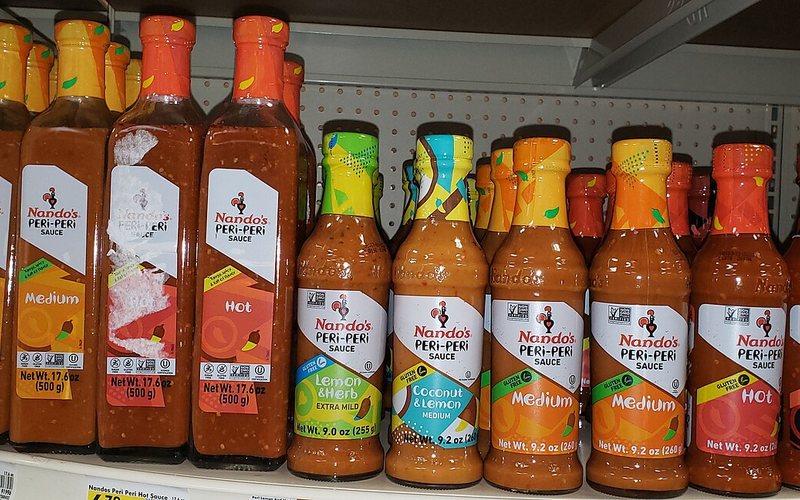
What the Popular Story Gets Wrong Sixteen claims checked, from heat in the seeds and milk fat to Tabasco inventing hot sauce, fermentation making a sauce safe and oil preserving one. Explore →
Get new content
Occasional emails when something significant ships. No spam, unsubscribe anytime.