Other Fermented Drinks
Once you understand that a fermented drink is just sugar, water, and a culture, the whole world of them opens up — and most are faster, cheaper and more forgiving than kombucha. Several are ready in three days.
These are the non-alcoholic-ish ferments. The properly alcoholic ones — beer, wine, mead, cider — live on the Alcohol site, though the line between the two categories is blurrier than anybody’s labeling admits.
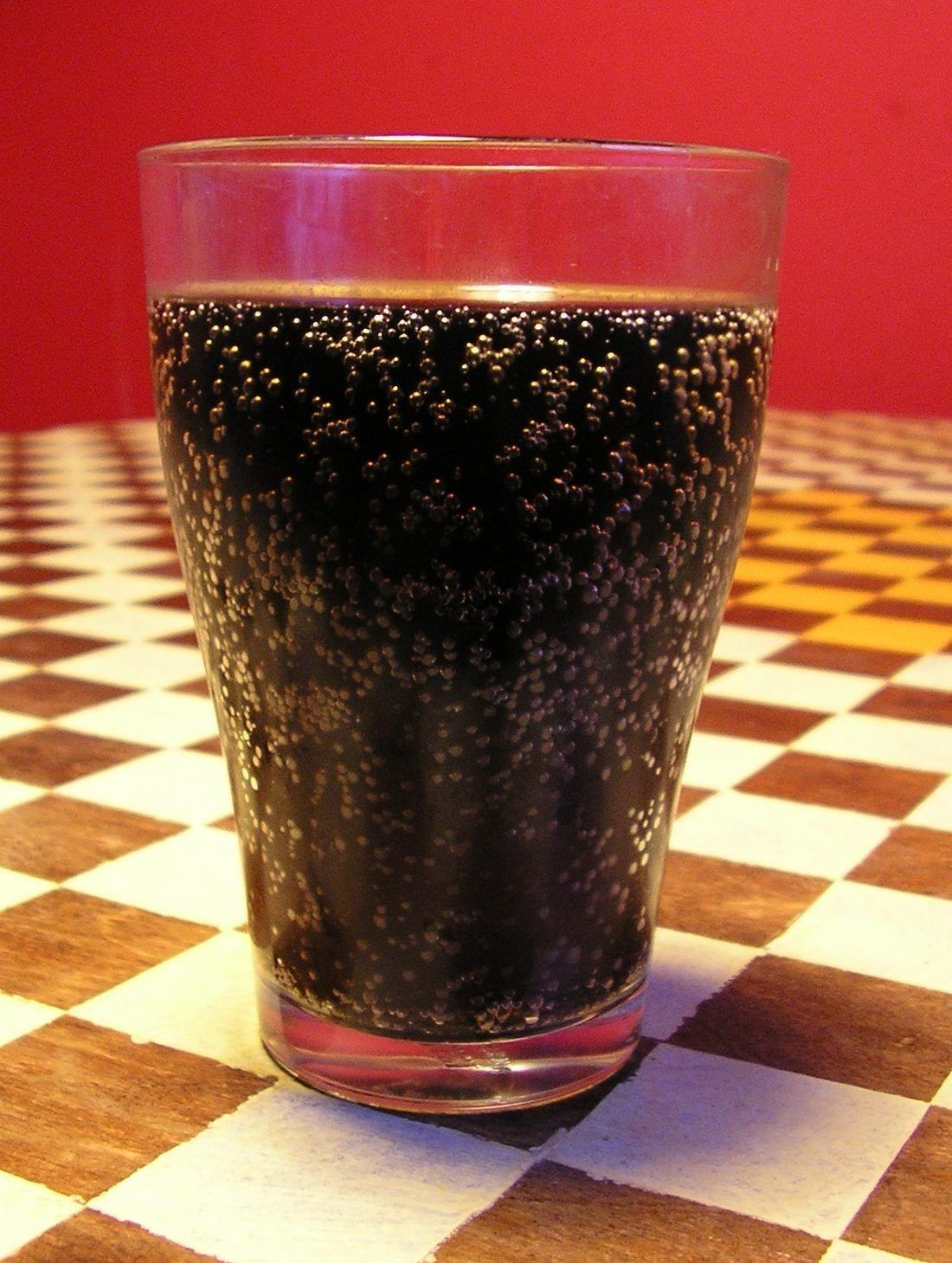
The ginger bug — the gateway culture
Start here. A ginger bug is the easiest live culture to create from scratch, it takes a week, and once you have it you can ferment nearly any sweetened liquid into a soda.
It’s a wild culture — yeasts and lactic-acid bacteria living on fresh ginger skin — that you build up by feeding.
To make one:
- In a jar, combine 2 Tbsp grated unpeeled fresh ginger, 2 Tbsp sugar, and 2 cups water.
- Cover with a cloth. Stir once or twice a day.
- Feed it 1 Tbsp grated ginger + 1 Tbsp sugar every day for about 5–7 days.
- It’s ready when it’s actively fizzy — bubbles rise when you stir, and it smells yeasty and gingery.
Critical: use organic or unwaxed, unsprayed ginger, and don’t peel it. The culture lives on the skin. Irradiated or heavily treated ginger is the number-one reason a bug fails to start.
To use it: strain off some liquid (¼–½ cup per quart) into sweetened juice, tea, or flavored water. Ferment 1–3 days at room temperature, then bottle for fizz. Keep feeding the mother jar, or refrigerate it and feed weekly.
What to make with it: ginger ale, root beer (with sassafras or sarsaparilla), lemon-lime soda, fruit sodas from any juice, herbal sodas, switchel. It’s endlessly flexible and it’s a genuinely good way to get a household off commercial soft drinks.
Tepache
Mexican, made from pineapple peel, and one of the best ratios of effort to reward in fermentation. Ready in 2–4 days.
You’re fermenting the peel and core — the part you’d throw away — with sugar. Traditionally piloncillo (unrefined cane sugar), water, and often cinnamon and clove.
- Scrub a pineapple, then use the peel and core (eat the fruit).
- Combine with ½–1 cup piloncillo or brown sugar per 2 quarts water, plus a cinnamon stick.
- Cover with cloth, room temperature, 2–4 days, stirring daily. Skim any foam.
- Strain and refrigerate. Drink it cold, often cut with beer or lime in Mexico.
Sweet, tart, funky, faintly pineapple-y and slightly alcoholic — the wild yeast on the peel does the work, so alcohol content varies and can climb if you let it go. Watch for mold on top; skim foam. It’s a summer drink and it’s excellent.
Kvass
Two different things share the name.
Bread kvass — the Slavic original. Stale dark rye bread, toasted, steeped with water, sugar, and sometimes raisins and mint, then fermented 2–3 days with wild yeast or a little baker’s yeast. Sour, malty, bready, lightly alcoholic (usually ~0.5–1.5%). It’s a genuinely ancient everyday drink and it’s the best possible use for stale rye. If you bake rye bread, make kvass with the ends.
Beet kvass — the modern health-food version and a different drink entirely: chopped raw beets in 2% salt brine, fermented 3–7 days. Deep red, earthy, salty rather than sweet, and quite challenging on first taste. It’s a lacto-ferment, not a yeast ferment — closer to sauerkraut brine than to bread kvass. Used as a tonic, a soup base, and the traditional souring agent for borscht.
Water kefir
Covered fully on the Kefir page, but it belongs on this list: sugar water fermented by translucent gelatinous grains into a light, tart, fizzy drink. Dairy-free by nature rather than by substitution, and the most reliably fizzy of the home sodas. Needs minerals — a dried fig or a pinch of unrefined sugar — or the grains dwindle.
Kanji
North Indian, and one of the more striking fermented drinks there is. Black carrots (or beets when black carrots aren’t available), water, mustard powder, salt, chili powder, sometimes asafoetida. Left in the sun for 3–5 days.
Sour, salty, pungent, mustard-hot. Absolutely not a soft drink. Traditional around Holi. Worth making once for how completely it rearranges your idea of what a fermented drink can be.
Rejuvelac
Fermented sprouted-grain liquid — sprout wheat, rye or quinoa, then steep the sprouts in water 2–3 days. Cloudy, sour, slightly yeasty. Mostly used as a culture for nut cheeses rather than as a drink, and it’s the workhorse behind most vegan cheese recipes. See Non-Dairy Yogurt.
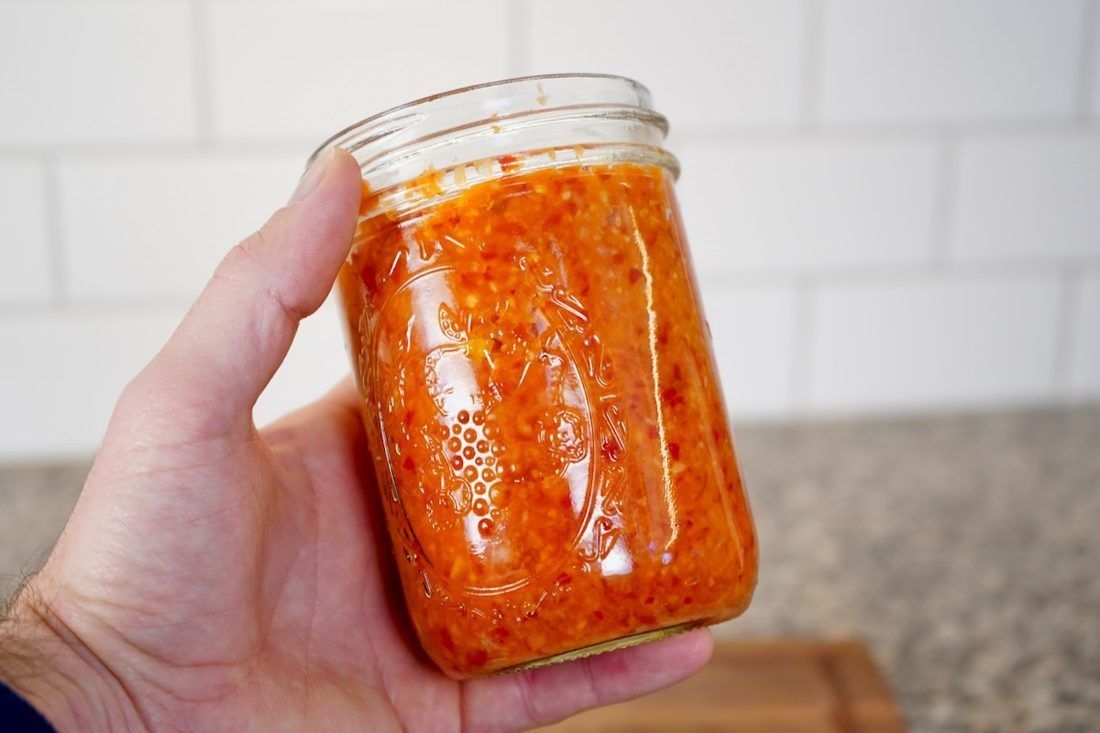
Fermented hot sauce — not a drink, but it belongs here
The technique overlaps completely, and it’s one of the highest-value things in this whole section.
A lacto-fermented pepper mash makes a hot sauce that vinegar-only sauces cannot touch. Tabasco is made this way — mash aged in barrels — and so is much of the good stuff.
- Chop or roughly blend peppers — any kind, plus garlic if you like.
- Brine them at 3–5%. Either submerge whole/chopped peppers in a computed brine, or salt a mash directly at 3–5% of its weight.
- Keep it submerged and ferment 1 week to several months. Longer is deeper and funkier.
- Blend, then add vinegar to taste if you want it thinner and sharper — the acid also stabilizes it for storage.
- Strain or not, bottle, refrigerate.
The fermentation does something vinegar can’t: it converts the raw, green, sharp notes of fresh chile into something rounded, fruity and savory. Once you’ve made it you won’t go back. Full brine math on Salt & Water.
Honest notes on some things that aren’t ferments
Worth saying, because they get filed here constantly:
- Switchel / haymaker’s punch — vinegar, water, sweetener, ginger. Not fermented (unless you ferment it with a ginger bug, which you can). It’s a vinegar drink, and delicious.
- Shrub — fruit-and-vinegar syrup. Not fermented, though the vinegar in it was.
- “Fermented” store-bought sodas — often made with a starter and then pasteurized, so nothing is alive. Fine, but the live-culture claim is usually gone.
- Root beer, birch beer, sarsaparilla — historically wild-fermented, almost universally not anymore.
Bottling and pressure — read this before you cap anything
Every drink here produces CO₂, and a sealed bottle is a pressure vessel.
- Use bottles rated for pressure. Swing-top (Grolsch-style) bottles, heavy beer bottles with crown caps, or proper PET soda bottles. Not mason jars, not thin wine bottles, not repurposed juice bottles.
- Don’t over-sugar the second ferment. A teaspoon per bottle is plenty.
- Refrigerate to stop it. Cold effectively halts fermentation and holds the carbonation.
- Burp anything you’re unsure about, daily.
- A PET bottle is your pressure gauge — squeeze it. Rock-hard means vent it now. Keeping one plastic bottle in a batch of glass ones is a genuinely good trick.
- Never leave a sealed bottle warm and forgotten. This is how people get hurt, and glass shrapnel is a real emergency-room visit.
Alcohol, honestly
All of these contain some alcohol. Wild yeast makes ethanol; that’s what yeast does. Typical figures run from a trace up to 1–2%, and tepache and kvass can go higher with a long warm ferment.
That’s usually below the 0.5% ABV line the TTB uses to define an alcoholic beverage — but not always, and not reliably. If you’re avoiding alcohol entirely, for whatever reason, these drinks are not zero, and a warm second ferment is exactly what pushes them up. See Kombucha for the regulatory detail.
Where to go next
- Kombucha — the most popular of these, and the most mythologized.
- Kefir — milk and water kefir.
- Vinegar — where any of these ends up if you leave it long enough.
- Alcohol — brewing & distilling — the properly alcoholic side.
Comments (0)