Recipes
← Food

Pickled

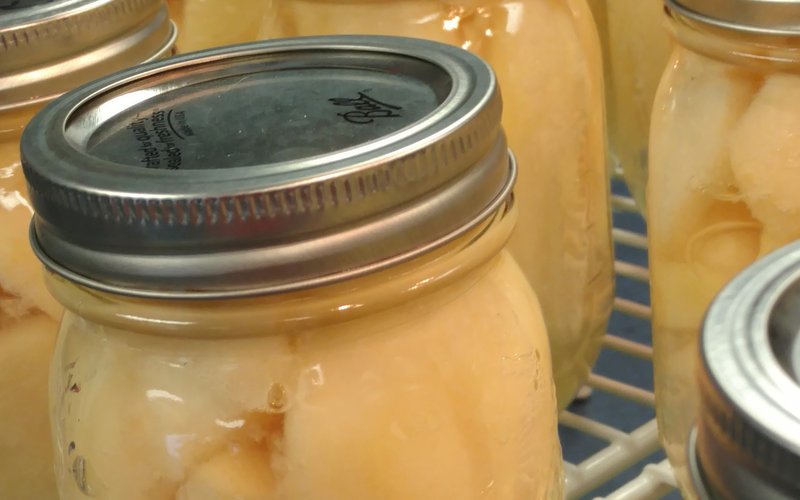
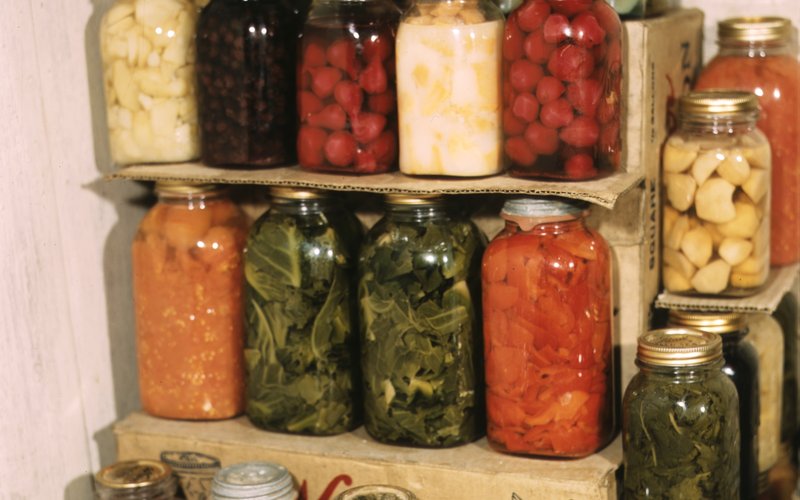
Fermentation grows the acid. Pickling adds it. That is the whole distinction, and it is a good one — but it is also a description of English, and the rest of this section is the world declining to cooperate. I grew up on my great-grandmother's pickled peaches and thought that was all there was. Then the Marine Corps sent me to Japan, where there were so many vegetables that, at the time, I had no idea what they were — and I have been chasing this food ever since, through Korea and the Philippines, Tennessee, Turkey, India, Denmark, St Petersburg, a Russian restaurant in Dubai and years of sailing the Caribbean. I never knew how much I liked pickled food until those early years in the Marine Corps. Forty years later I have gone and looked it all up properly, and it turns out the not-knowing was the correct response.
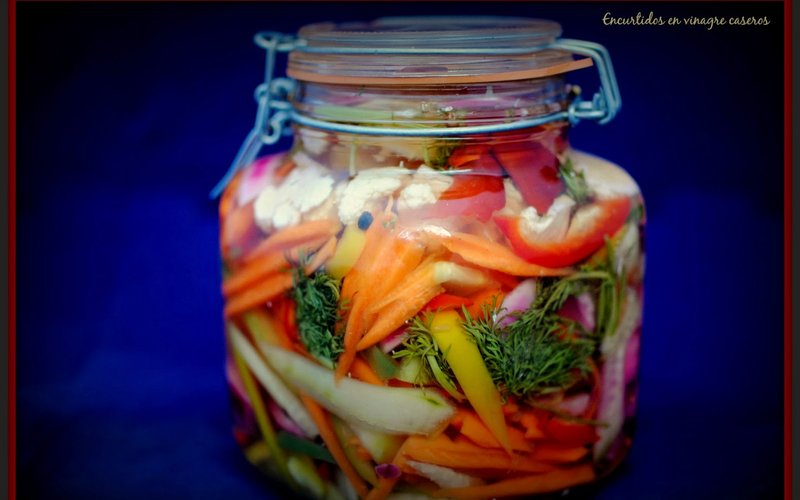
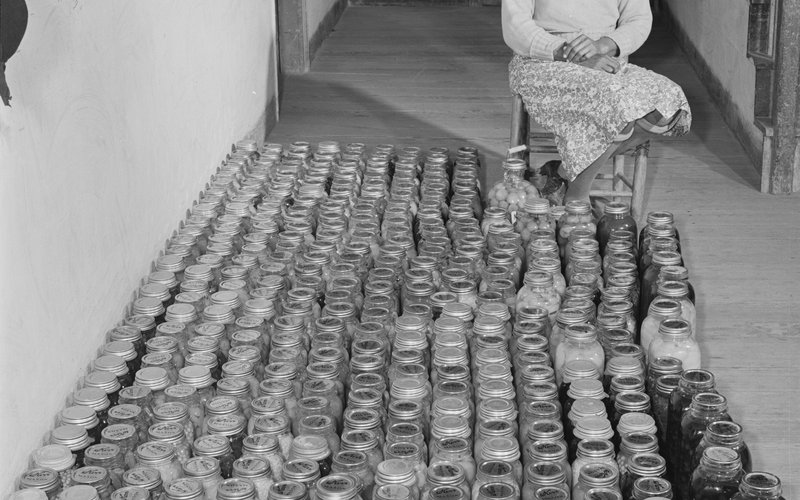
The Basics: Add the Acid, or Grow It
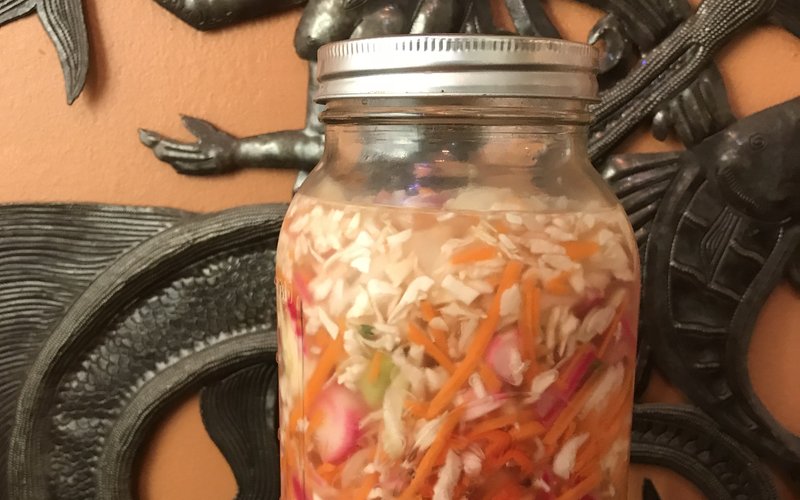
The Basics: Add the Acid, or Grow It The line that separates this whole section from Fermentation. And the English word is on my side: "pickle" meant the *brine* from about 1400 — "a cucumber preserved in pickle" is not recorded until 1707. The thesis has been sitting inside the title for six centuries. Explore →
A History of Pickling
A History of Pickling The most repeated fact about pickles — 4,000 years, Mesopotamia, 2400 BC — traces to a trade association citing a magazine citing a small museum. No dig, no publication, no archaeologist anywhere in the chain. And "Amerigo Vespucci, pickle dealer" is a line of abuse from Ralph Waldo Emerson. Explore →
The Brine
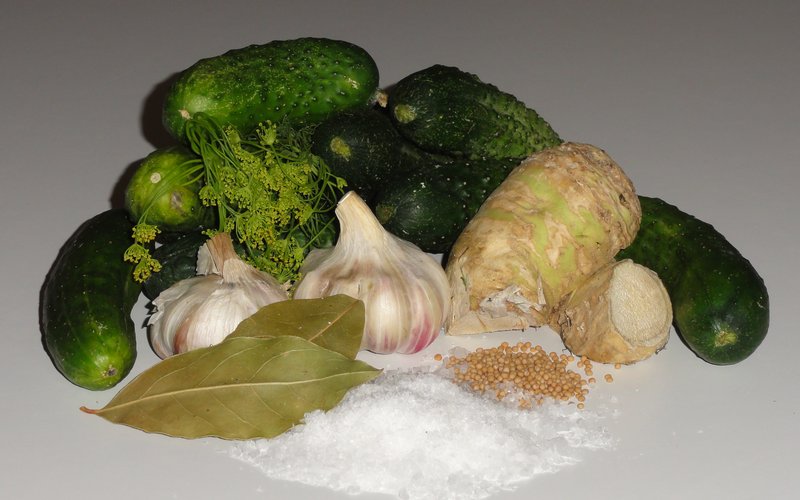
The Brine Four ingredients and only one of them is not negotiable. The vinegars and what each is for, why pickling salt and not table salt, why sugar is a free variable and vinegar never is, and the ratio I start from before I start changing it. Explore →
Is This Safe? The Honest Answer
Is This Safe? The Honest Answer Four hazards, named. Never dilute the vinegar in a canned recipe — the failure is invisible. And the internet's favourite pickled-egg tip is the exact mechanism that hospitalised a healthy man: CDC found the brine at pH 3.5, so the acid was never the problem. The eggs had been pricked with toothpicks. Explore →
The Crunch Problem
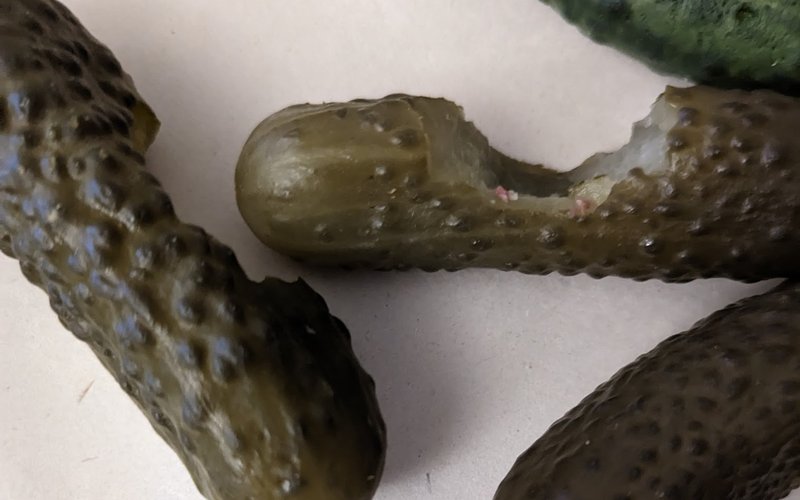
The Crunch Problem Everybody tells you to trim the blossom end, and they are right, and it is about a third of the story. A 2022 paper measured the enzyme in the four things people add to a cucumber jar, and the biggest source by a long way is the fresh dill. Also: stop using alum, and here is the specific reason. Explore →
Cucumbers
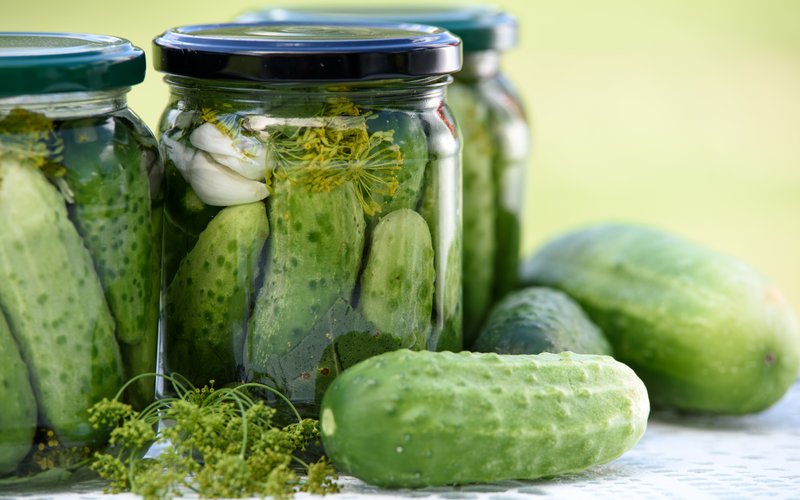
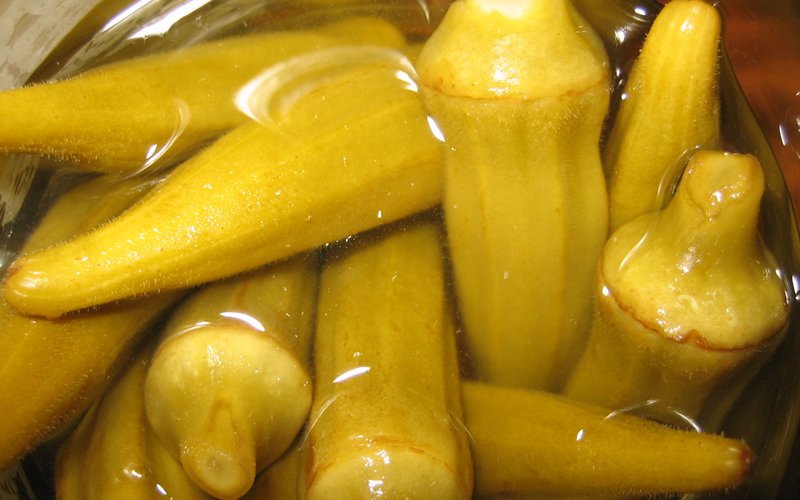
Cucumbers The default pickle, and the vegetable that punishes every mistake because it is 95% water in a fragile structure. The right cucumber, the three modes, the styles worth knowing, and why the more you cut it the faster it pickles and the sooner it softens. Explore →
Grandma Hay's Pickles
Grandma Hay's Pickles Where all of this started, and for a long time I did not know there was anything else. Her pickled peaches and watermelon rinds — reconstructed from memory, because she never wrote a word of it down, and I would rather say so than hand you a fake heirloom. Plus one honest paragraph about sweet pickles. Explore →
The South
The South Tennessee, where a loop closed I did not know was open — I found the whole Southern pickled-peach tradition standing behind my great-grandmother. Pickled pork, which is a seasoning meat and not a cucumber. Chow chow, which is a family signature. And why boiled peanuts are not in this section. Explore →
Japan: Seven Kinds of Pickle
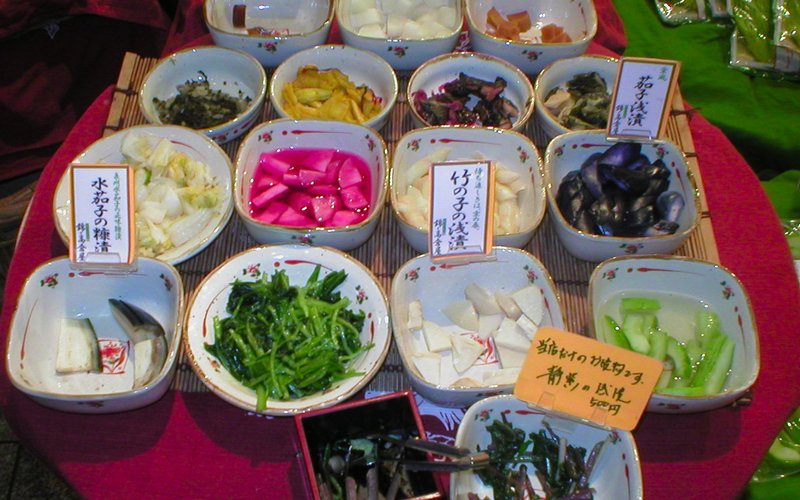
Japan: Seven Kinds of Pickle Marine Corps, mid-1980s, and this is where the tidy thesis falls apart. Japan sorts pickles by the *bed* — salt, soy, vinegar, rice bran, miso, koji, sake lees — and only one of the seven is vinegar. Umeboshi is not a plum and not a vinegar pickle. And I still cannot tell you which kind of takuan I was eating. Explore →
Korea and the Philippines
Korea and the Philippines The rest of those years, and the sentence I still think is truest: I never knew how much I liked pickled food until the Marine Corps. Kimchi, which belongs to the other section but not to a different life. Atchara. And a correction to my own memory about banana blossom that I am leaving on the page. Explore →
Pickled Fish
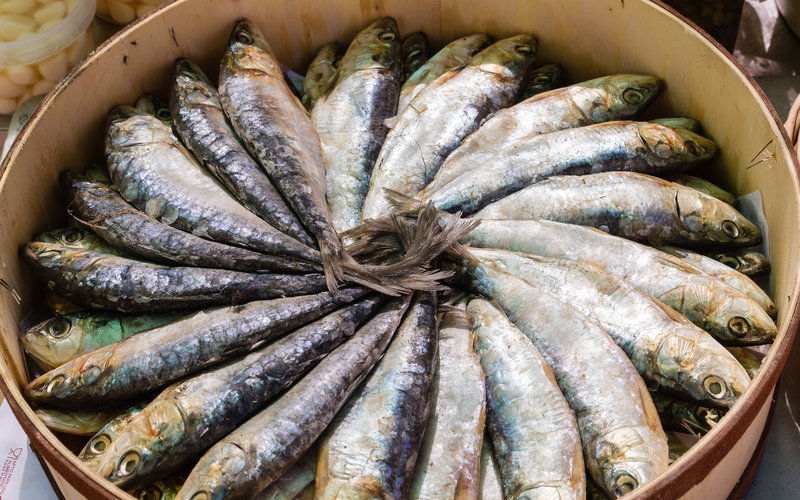
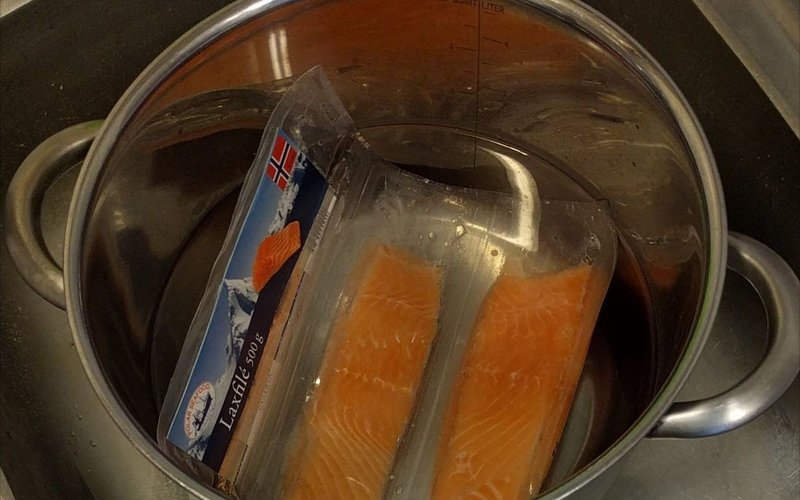
Pickled Fish What acid does to fish that it does not do to a cucumber — it denatures the protein the way heat would, and it never stops. So the longer it sits the *firmer* it gets, which runs against everything you assume about a marinade. My salmon turns on that. Plus a word that travelled from Persia to Jamaica. Explore →
Herring, and My Father
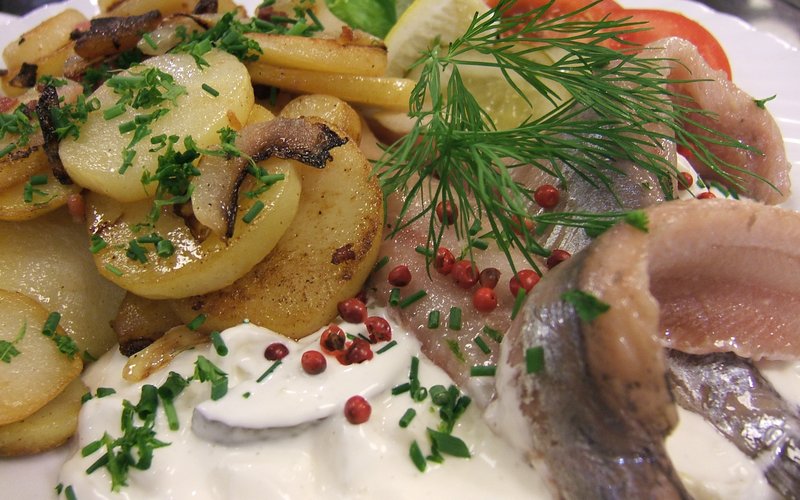
Herring, and My Father He loved it two ways, vinegar and cream sauce, and he bought it by the gallon — he did not cook, and I am not going to upgrade him. Also: the Willem Beukelszoon invention story is a myth on three independent grounds, and what actually changed was doing the work aboard ship instead of on land. Explore →
Freezing Fish to Destroy Parasites
Freezing Fish to Destroy Parasites The one page here with numbers to follow exactly. Vinegar does not kill parasites. FDA Food Code 3-402.11: −4 °F for 168 hours. Your kitchen freezer runs at 0 °F and fails it by four degrees. And "sushi-grade" is not a legal term — so ask the question instead of buying the label. Explore →
Turkey, India and Russia
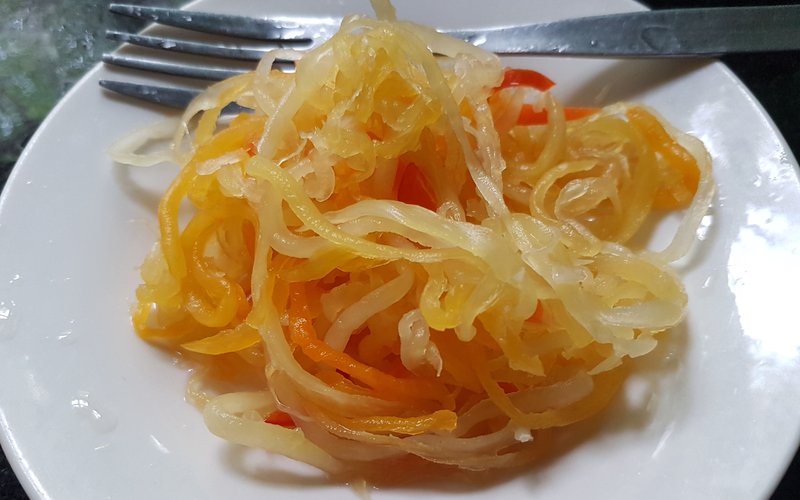
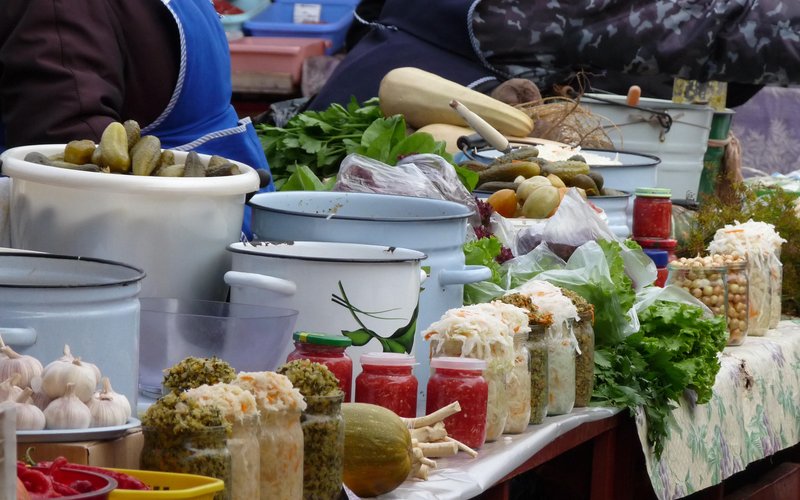
Turkey, India and Russia Three traditions that break the thesis three different ways. Turkish turşu is one word covering both methods at once. Traditional Indian achar has no vinegar in it at all — salt, spice, mustard oil and sunlight. And selyodka in St Petersburg, then a Russian restaurant in Dubai I still think about. Explore →
The Caribbean
The Caribbean Years of sailing there. Haitian pikliz, which exists to cut the fat of fried pork. Jamaican escovitch, whose name came from Middle Persian *sikbāg* — "vinegar stew" — by way of Arabic and Spanish. And a pickled cucumber in Barbados whose name I cannot remember, which stays a gap rather than a guess. Explore →
Olives
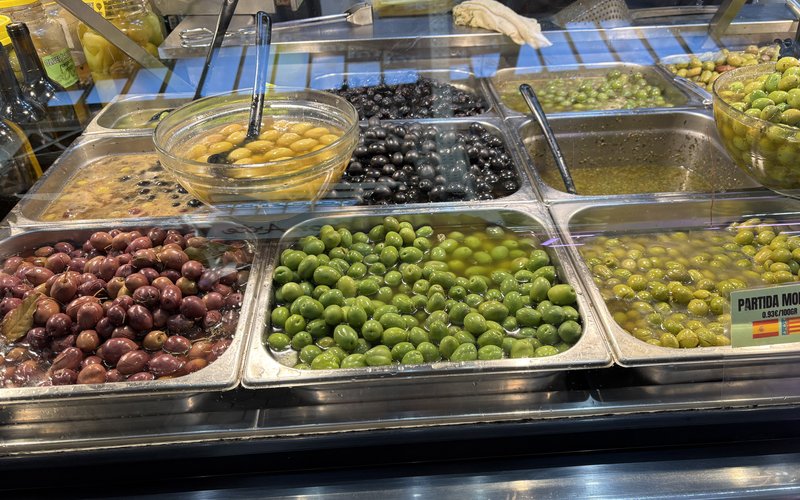
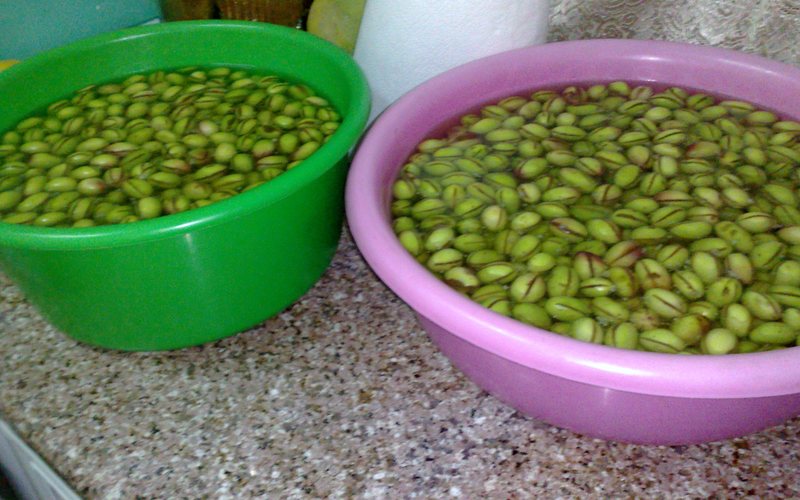
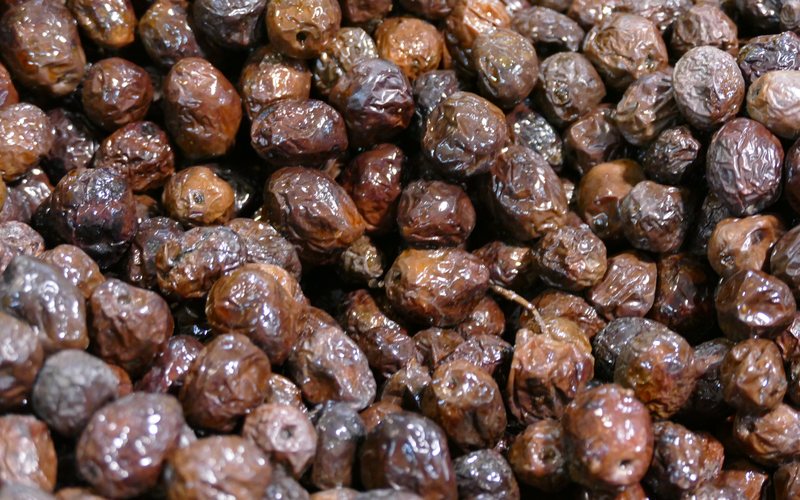
Olives The only thing here that is genuinely inedible before you process it. Oleuropein has to come out, and the four ways of doing it split this page between two sections — because brine-cured Greek and Sicilian olives are real ferments. Plus Kuwait, 2009, and a method I can recover by chemistry alone. Explore →
Keeping Them
Keeping Them How long things actually last, how to read a jar that looks wrong, and the one thing about reusing brine that matters. Cloudy is fine, blue garlic is fine, soft is disappointing but safe — and a bulging lid is never worth tasting. Label every jar; the one you cannot identify is the one you throw away. Explore →

Get new content

Occasional emails when something significant ships. No spam, unsubscribe anytime.