← Food
Pâtés and Terrines
The charcuterie family built from ground meat, liver, fat and jelly: country terrines and smooth liver pâtés, pâté en croûte, galantines, rillettes and potted meats, aspics and head cheese, foie gras, fish and vegetable terrines, and the American and world cousins from scrapple to leverpostej. Where the words came from, how a forcemeat holds together, the temperatures and the real food-safety record, and the equipment — with the popular stories checked against the old cookbooks and the law.
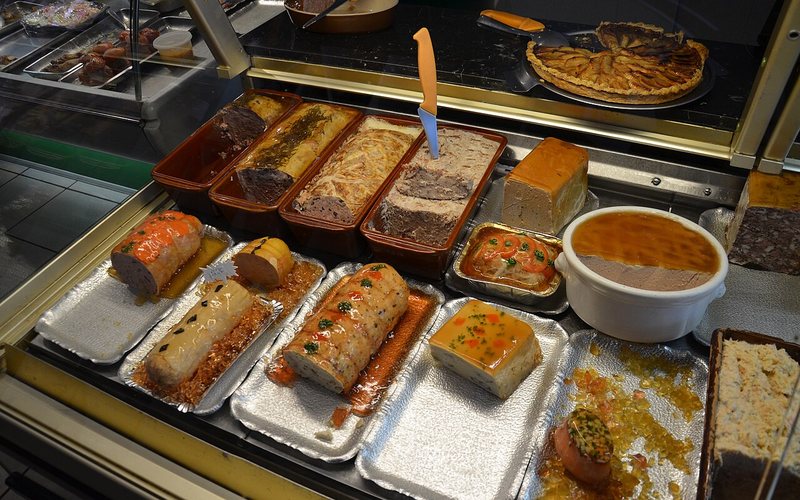
Pâté, Terrine and the Family Escoffier’s answer to the question everyone asks — a terrine is “only a pie without a crust” — and a map of the family sorted by what holds each dish together: heat, egg, fat or jelly. Explore →
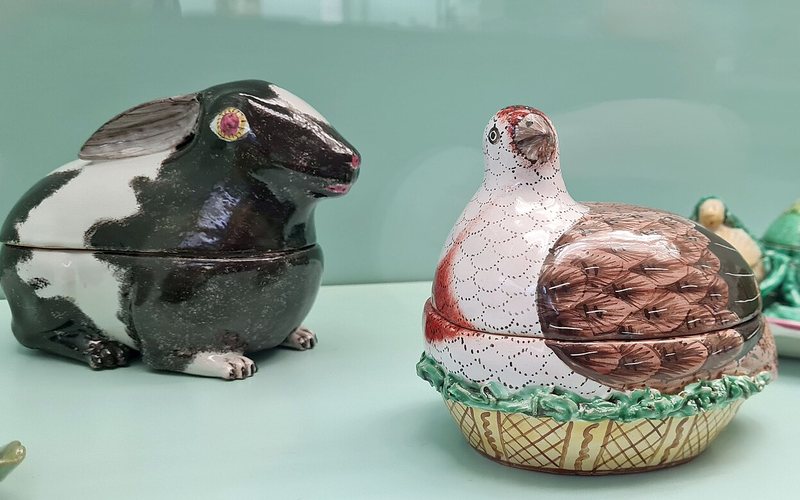
History and Words Pâté meant dough, terrine meant a pot, galantine meant a jelly for fish and aspic meant a hot sauce. The Paris guilds that gave the pâté to the pastry-cook, and the crust as a shipping crate. Explore →
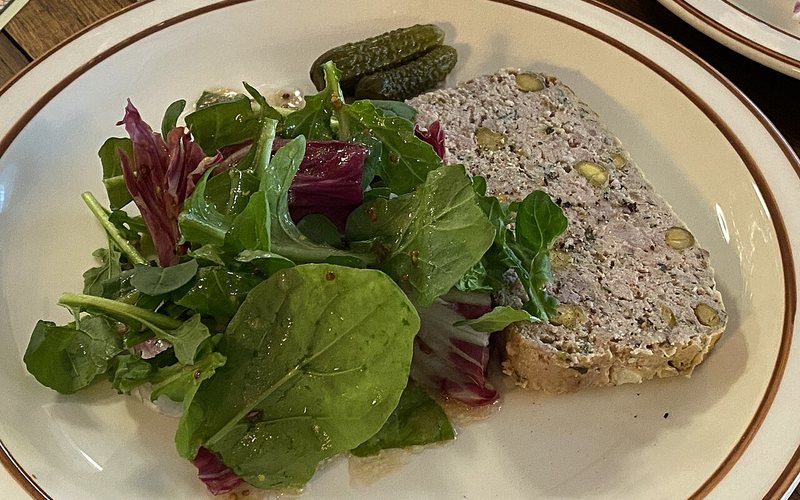
The Science of a Forcemeat Salt, cold and the panade. Why a forcemeat is not quite an emulsion, why Escoffier’s terrines were twice as fat as today’s, and the temperature at which liver turns grainy. Explore →
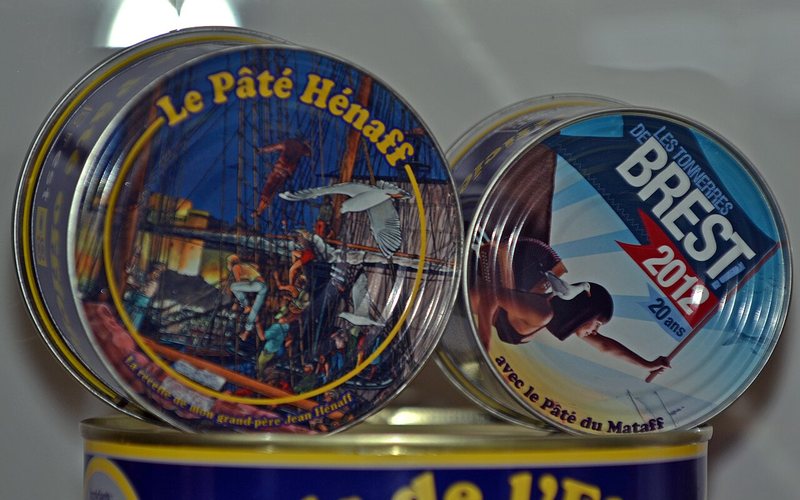
Food Safety The temperatures, the chicken-liver Campylobacter record, Listeria in aspic and rillettes, what the NHS changed in June 2026, why only a commercial can is shelf-stable, and pink curing salt by the gram. Explore →
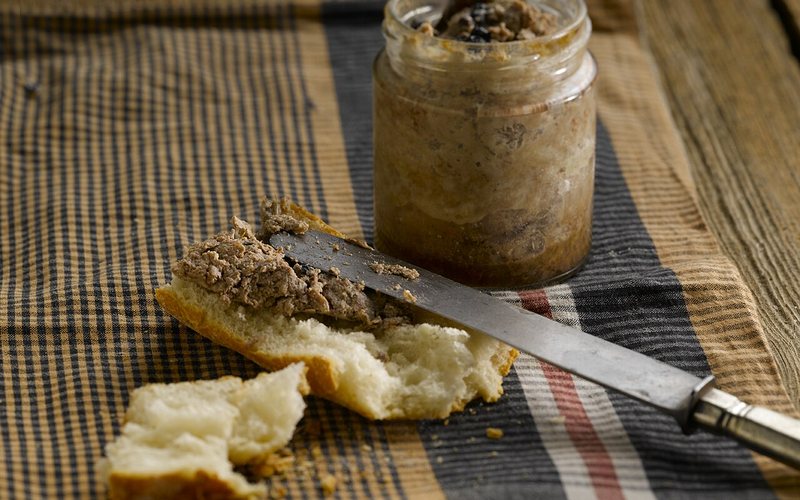
Liver Pâtés, Parfaits and Mousses Three ways from raw liver to a smooth spread — poach then blend, blend to temperature, bake raw — plus butter caps, chopped liver, leverpostej and the pâté in a bánh mì. Explore →
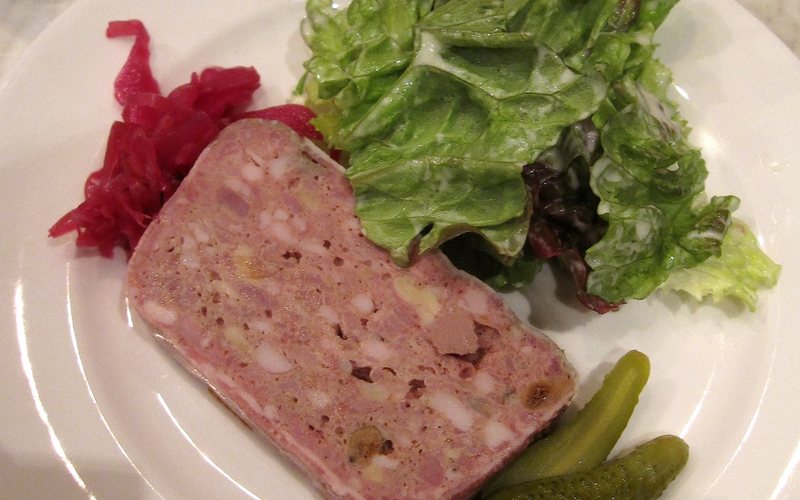
Forcemeat Terrines The country terrine and Escoffier’s numbers: lining, the mosaic inlay, the bain-marie, the clear-fat and warm-needle tests, pressing, and what to serve with it. Explore →
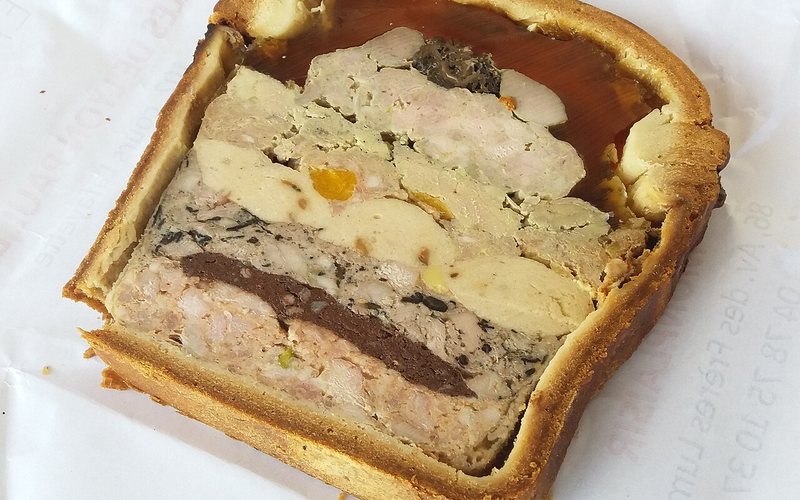
En Croûte, Galantine and Ballotine Two crusts, one to carry and one to eat; the jelly in the gap; the world championship that scores the aspic like the pastry; and the real difference between a galantine and a ballotine. Explore →
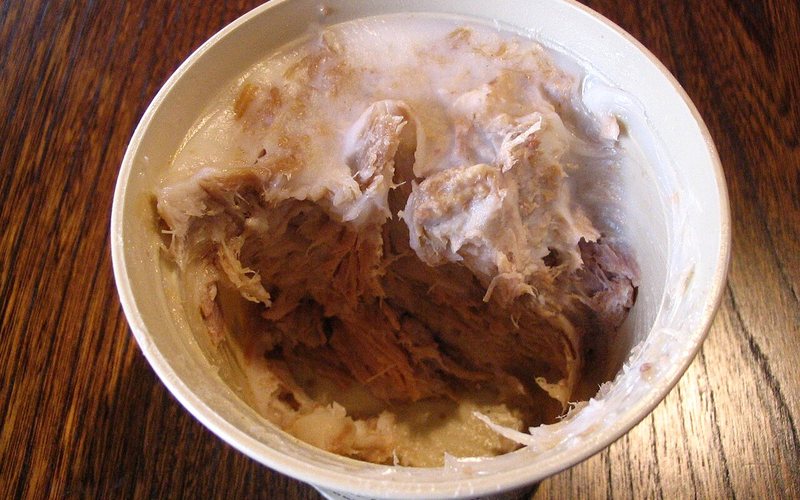
Rillettes and Potted Meats Balzac’s “brown jam,” Tours against Le Mans, rillons, Hannah Glasse’s butter seal and her recipe for potted birds gone bad — and what a fat cap does not do. Explore →
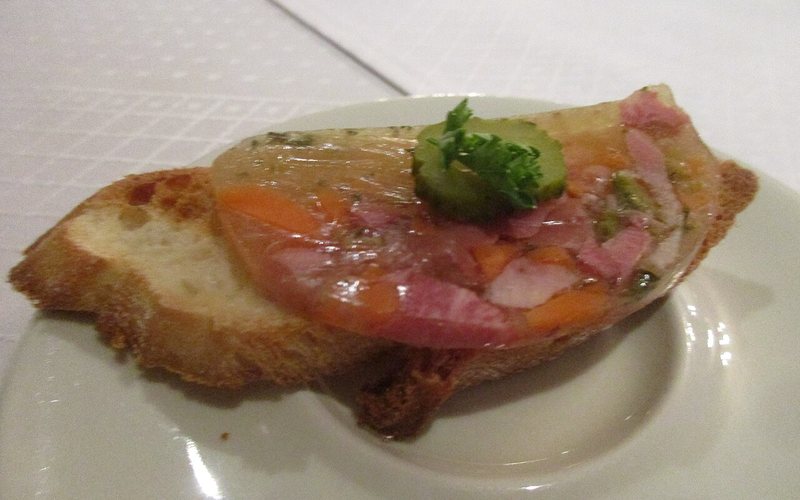
Aspic and Head Cheese From hot sauce to clear jelly, Escoffier’s napkin across an upturned stool, jambon persillé, oeufs en gelée, head cheese that is not cheese, and two dishes both called souse. Explore →
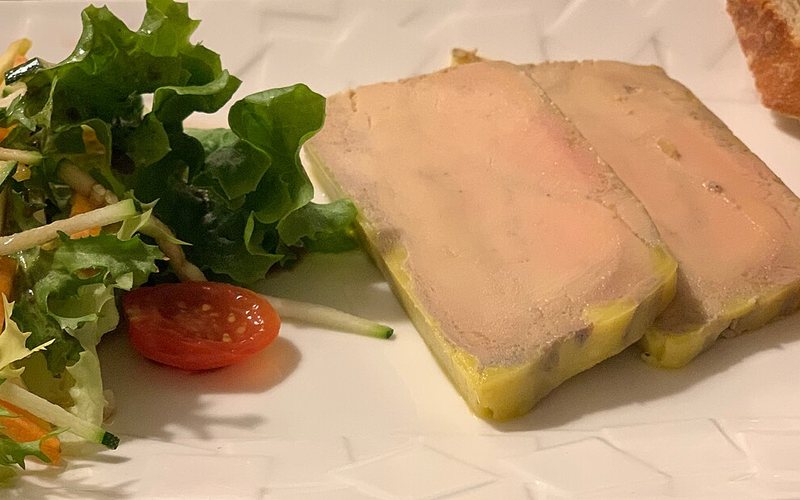
Foie Gras Egypt fattened geese but may not have prized the liver, Pliny’s fig-fed liver was a pig’s, and Clause did not invent the pâté. Grades, French labels, the torchon, and the law as of September 2026. Explore →
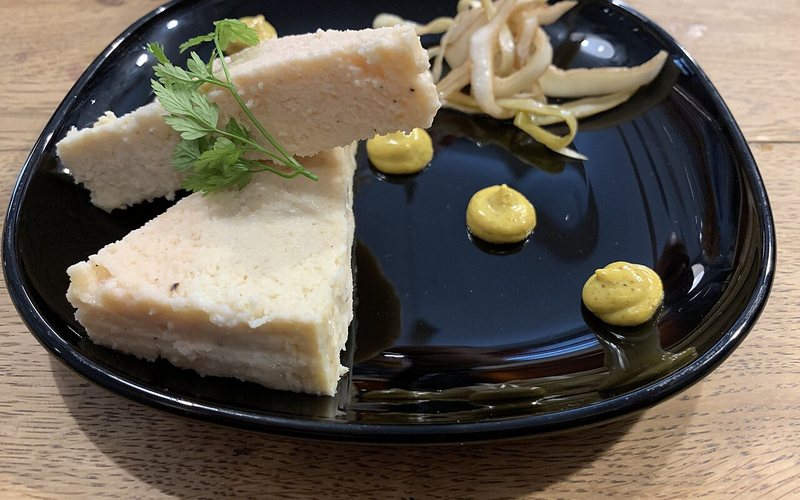
Fish and Vegetable Terrines Escoffier’s mousseline and the egg white that lets it carry more cream, a salmon terrine baked below the FDA line, salmon in duck fat, and vegetables held by pressure or jelly. Explore →
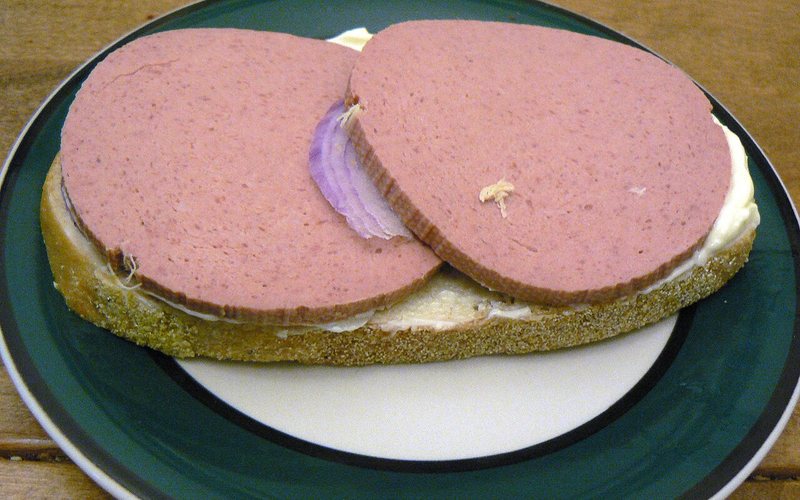
American Cousins Liverwurst and braunschweiger in federal law, and scrapple, goetta and livermush — one German grain-and-offal loaf in three grains — plus souse and Underwood’s 1868 deviled ham. Explore →
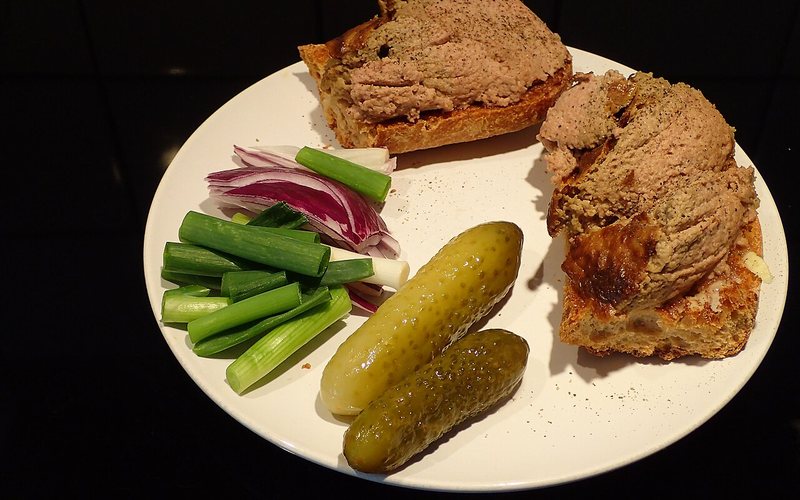
Around the World Danish leverpostej from a Frenchman’s shop, Bavarian Leberkäse with no liver, Belgium’s pâté that is a pie, the Vietnamese pâté older than the bánh mì, and two French legends. Explore →
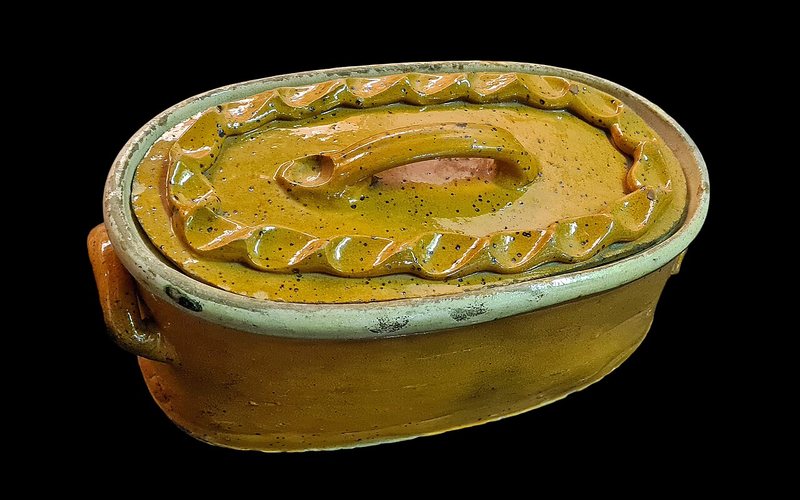
Equipment and Sous Vide The mold, the weight, the grinder kept near freezing, the drum sieve, Escoffier’s thermometer-free tests, and what is — and is not — published about cooking a terrine in a circulator. Explore →
Get new content
Occasional emails when something significant ships. No spam, unsubscribe anytime.