Starting a Coffee Business · 15 of 20
Gift Baskets: Three for a First Grinder, and Seven Built on Beans, Honey and Cups
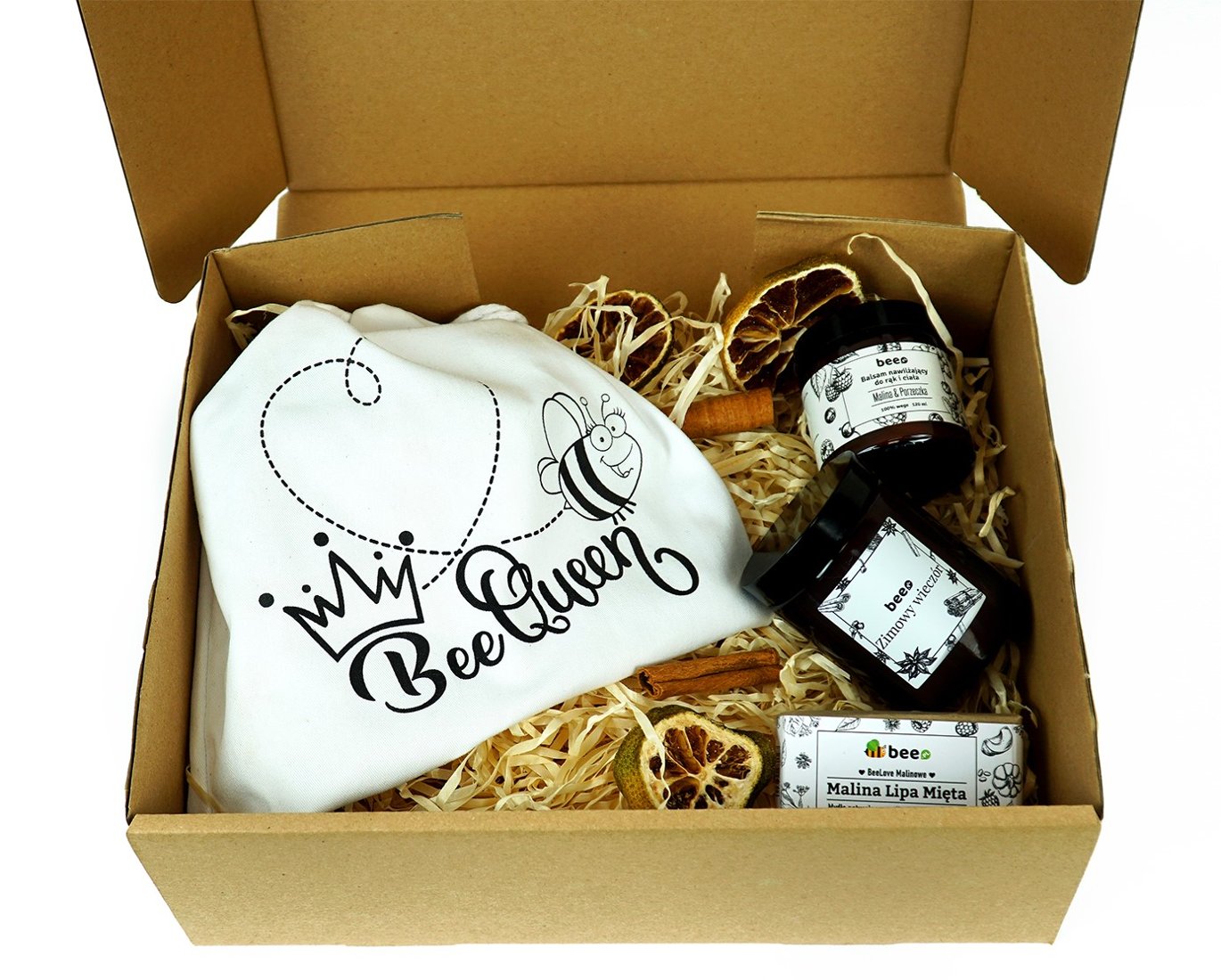
I sell honey at farmers markets, and a jar of honey is already a small gift. A basket is the same sale made larger: a bag of coffee, a jar from my hives and one piece of brewing gear, put together so that someone can pick it up and carry it to a birthday. None of these has been made or sold yet. This page sets out ten baskets, what goes in each, what each costs at shelf prices, and the three Michigan rules that decide what may go in at all.
The grinders page makes the case that a burr grinder is the best thing a coffee stall can sell beside the beans. The first three baskets are that argument turned into a present: an inexpensive one, a middle one, and one for the person who already owns a kettle with a thermometer in it. The other seven are built on beans with honey, cups and a decanter.
Prices were read from the makers’ own pages on 2 October 2026.
Three rules that shape every basket
| Rule | What it means for a basket |
|---|---|
| Every home-made food carries its own label | Each bag, jar and wrapped cookie has its full cottage food label, readable without unwrapping the basket. |
| No syrup from a home kitchen, and no resold syrup | The sweet thing in a basket is honey, flavoured honey, or the recipe and an empty bottle. |
| The receipt lists each item with its own price | Sales tax then falls on the grinder and the mug, and not on the coffee and honey. |
Labels. Michigan’s labelling page says “You are required to individually label your Cottage Foods prior to sale,” and the statute says cottage foods “must be prepackaged and properly labeled before sale.” The Food Law’s definition of a label adds that required wording must “also appear on the outside container or wrapper of the retail package” or be “easily legible through the outside container or wrapper.” A clear bag over the basket, with the labels facing out, does that. A closed box needs a printed list of what is inside, with each item’s label wording, on the lid. Nothing published by the Department of Agriculture and Rural Development (MDARD) says whether cottage foods may be sold in a basket with goods that are not food, so that is the first question on the list at the end of this page.
Syrup. MDARD’s cottage food list says “No simple syrups,” and the statute excludes “bottled water and other beverages.” A bottle of vanilla syrup made at home cannot be sold. Buying sealed bottles from a syrup maker and reselling them does not get round it: MDARD’s farmers market answers say a vendor needs a licence if they “sell pre-packaged food and are not Michigan licensed as a food establishment at their base facility,” and that “those reselling honey or maple syrup that they did not produce themselves must be licensed as a retail food establishment.” The same goes for a tin of condensed milk. What the list does allow, in so many words, is “Flavored honey” and “Flavored maple syrups.” The section on syrup below works through what that leaves.
Tax. Bagged coffee and honey are exempt from Michigan sales tax; grinders, drippers and mugs are taxed at 6% (the rules page). When a kit is sold with each item priced separately on the receipt, the Department of Treasury’s position in a 2017 technical advice letter is that “sales tax is required to be remitted only on taxable items.” When taxable and exempt goods are sold “as one inseparable unit,” the same letter says a test is applied to the whole sale, and Treasury’s June 2020 newsletter calls the result “all or nothing.” A basket whose value is mostly a grinder would then be taxed on the coffee as well. The letter was written to one taxpayer about medical test kits, and it is the nearest published statement; it is not a rule about market baskets. Ring every basket as separate lines.
I am not a lawyer, and each of these is a reading of the published text, to be checked with the agency before money is spent.
For someone starting to grind at home
All three assume the same thing about the person receiving it: they own a coffee maker or a mug and a kettle, and they have been buying ground coffee.
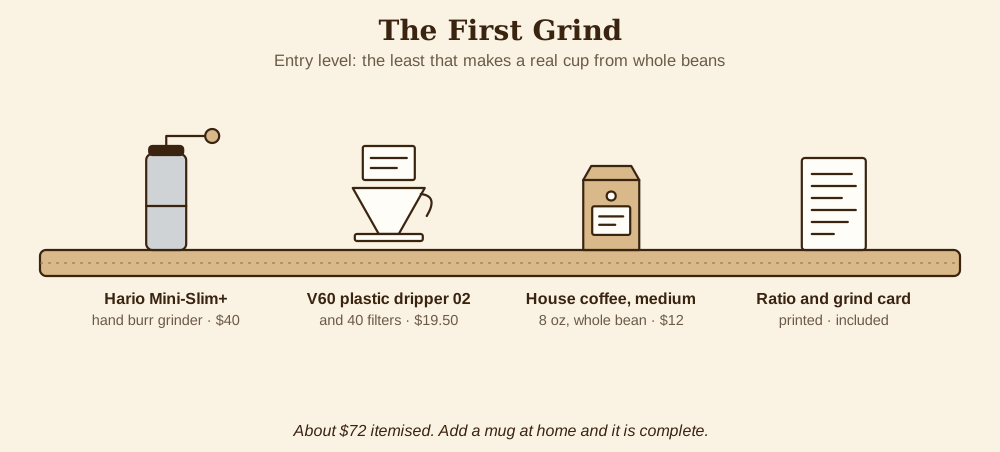
The First Grind
| Item | Price |
|---|---|
| Hario Mini-Slim+ hand grinder, ceramic burrs, 24 g of grounds at a time | $40.00 |
| Hario V60 plastic dripper, size 02 | $13.00 |
| V60 paper filters, pack of 40 | $6.50 |
| House coffee, medium roast, 8 oz, whole bean | $12.00 |
| Printed ratio and grind card | included |
| Total | $71.50 |
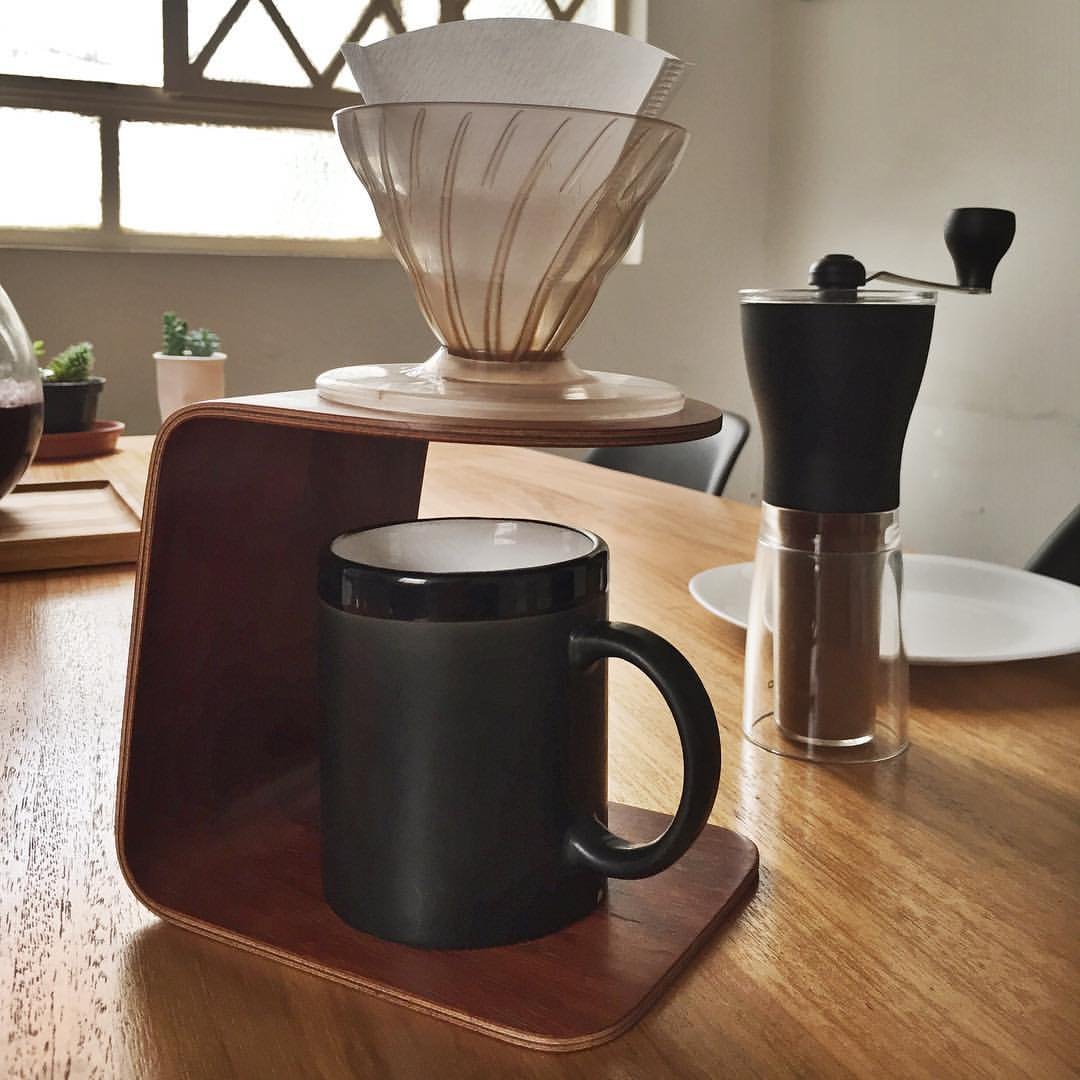
This is the least that turns whole beans into a good cup: a burr grinder, a cone, filters and coffee. The dripper sits on the mug the person already owns. The 8 oz bag is priced here at $12; the starting price list has no 8 oz line yet, and by weight two-thirds of the $17 bag is $11.33.
Swap the dripper and filters for Hario’s V60 starter set ($27.50: the same dripper, a 700 ml glass server and 40 filters) and the basket is $79.50 with somewhere to brew into.
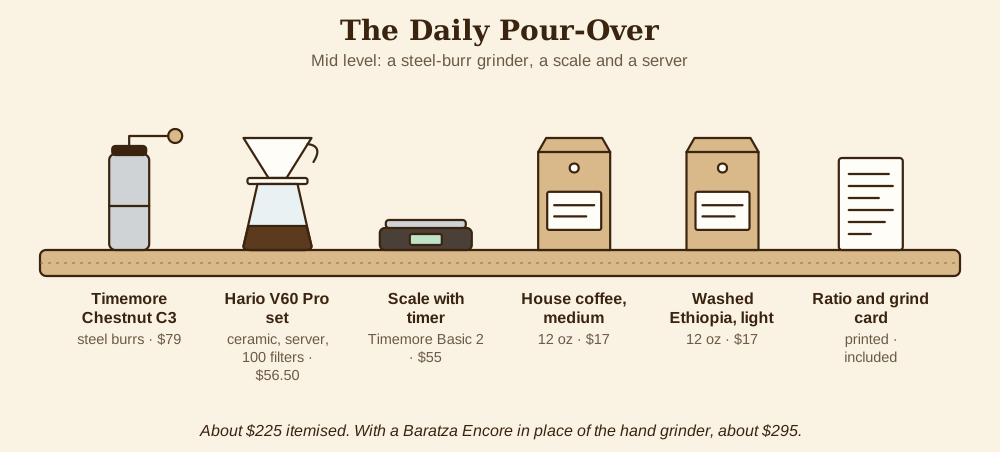
The Daily Pour-Over
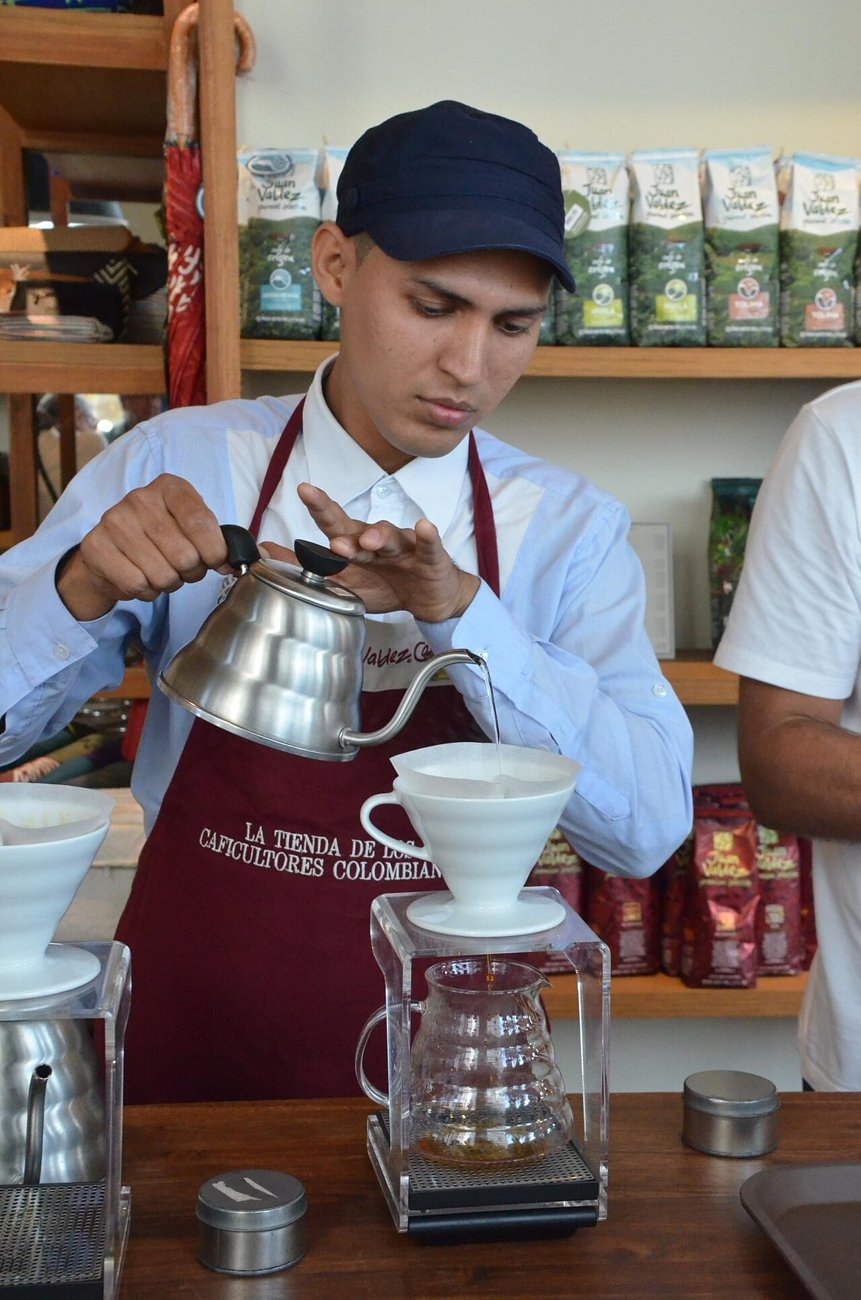
| Item | Price |
|---|---|
| Timemore Chestnut C3 hand grinder, 38 mm steel burrs | $79.00 |
| Hario V60 “Pro” set: ceramic dripper, lidded server, 100 filters | $56.50 |
| Timemore Basic 2 scale with timer | $55.00 |
| House coffee, medium roast, 12 oz | $17.00 |
| Washed Ethiopia, light roast, 12 oz | $17.00 |
| Printed ratio and grind card | included |
| Total | $224.50 |
Steel burrs grind faster and more evenly than ceramic ones, and a scale is what makes a recipe repeatable. Two coffees a roast level apart give the new grinder something to show: the same dose and the same water, and two different cups.
For a household that makes a pot rather than a cup, the Baratza Encore ($149.95) replaces the hand grinder and the total is $295.45. For a tighter budget, a Maestri House scale ($45.99, $39.99 on sale on the day) brings it under $210.
The Aficionado
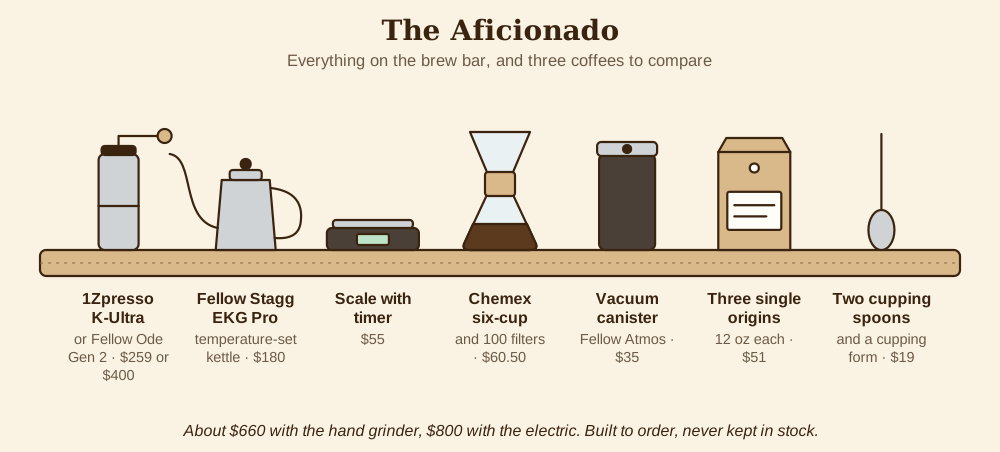
| Item | Price |
|---|---|
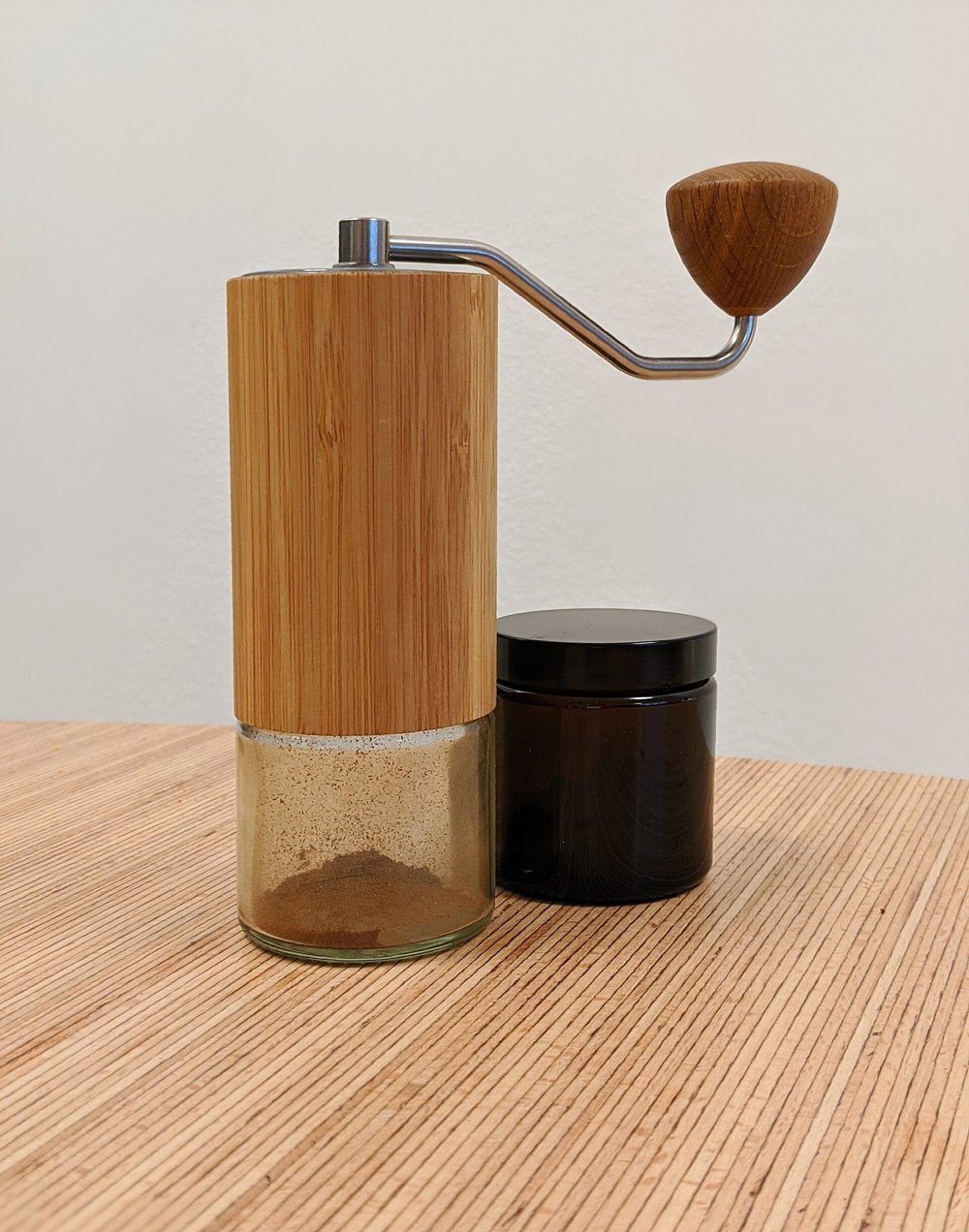
| 1Zpresso K-Ultra hand grinder ($259 on sale, $289 regular), or Fellow Ode Gen 2 electric | $259.00 or $399.95 |
| Fellow Stagg EKG Pro kettle, set to the degree | $179.95 |
| Timemore Basic 2 scale | $55.00 |
| Chemex six-cup and 100 filters | $60.50 |
| Fellow Atmos vacuum canister, 0.7 L | $34.95 |
| Three single-origin coffees, 12 oz each | $51.00 |
| Two cupping spoons and a printed cupping form | $19.00 |
| Total | $659.40 or $800.35 |
This is a brew bar in a box, with three coffees to cup side by side on the first evening. A Comandante C40 ($325 to $360) is the other grinder people ask for by name.
It should be built to order and never kept in stock. Six hundred dollars of gear sitting in a box is most of a season’s packaging budget, and the coffee in it has a roast date. Show a photograph and a printed contents card on the table, take a deposit, and deliver it the following week with coffee roasted that week.
Baskets built on beans, honey and cups
The Beekeeper’s Cup
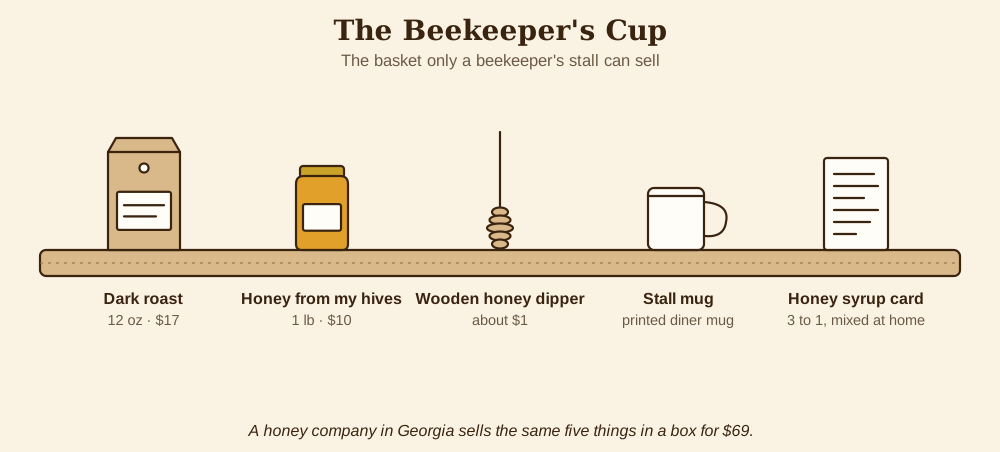
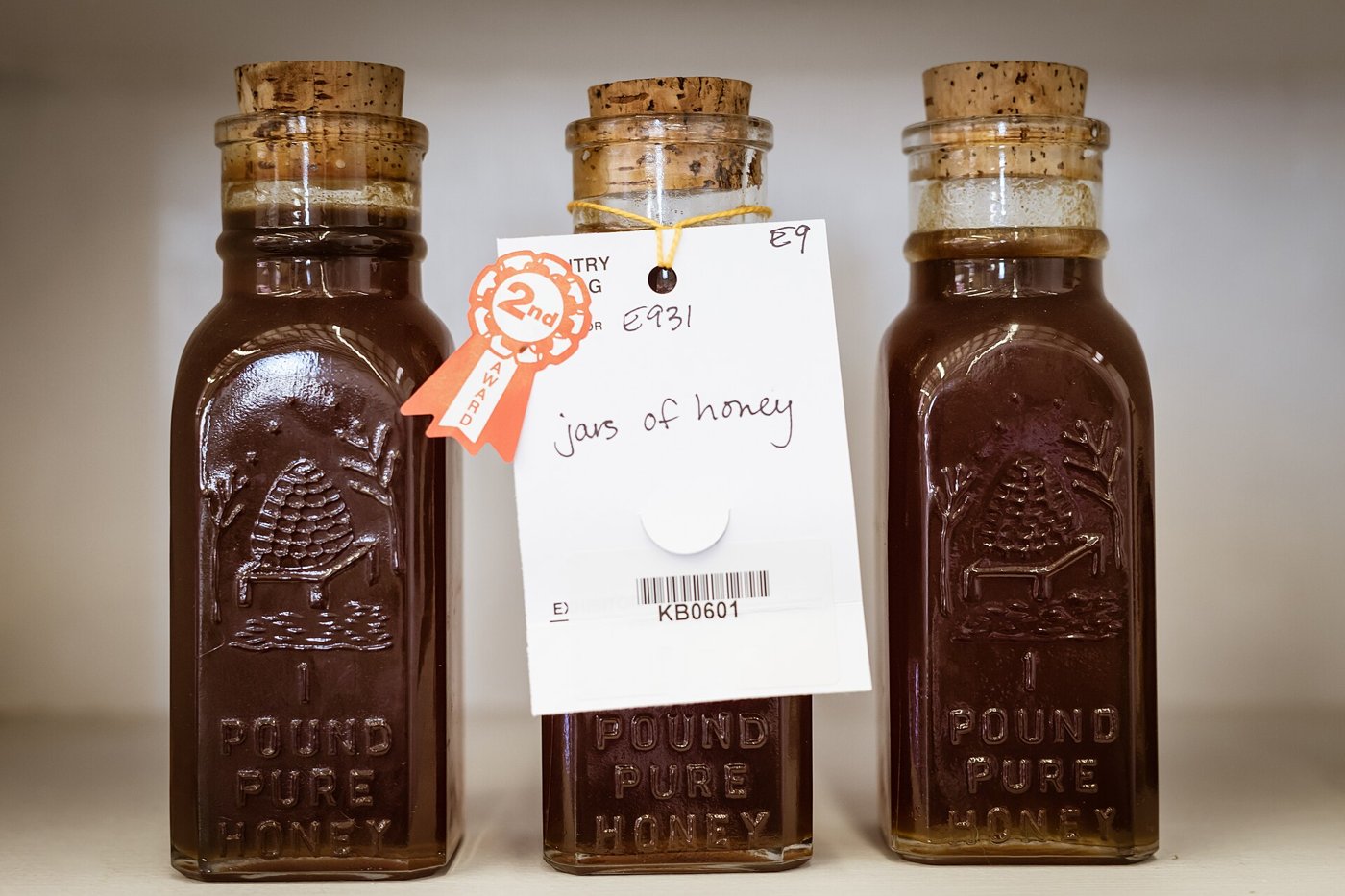
A bag of dark roast ($17), a pound of honey from my hives ($10, the value The Numbers uses), a wooden dipper (about $1), a stall mug, and a card with the 3-to-1 honey syrup on it. With the mug at $16 it comes to about $45.
This is the one no other coffee stall can copy, because the honey and the coffee come from the same pair of hands. Savannah Bee Company in Georgia sells the same five things in a gift box (a 12 oz bag of coffee, a 12 oz jar of honey, a dipper and a diner mug) for $69.
The mug is the cost to watch. A printed 10 oz diner mug is $9.23 each in the smallest order of 48, plus a $72 setup charge, which is $10.73 a mug. Enamel is dearer to start: one maker’s minimum is 200 pieces.
Honey for Coffee
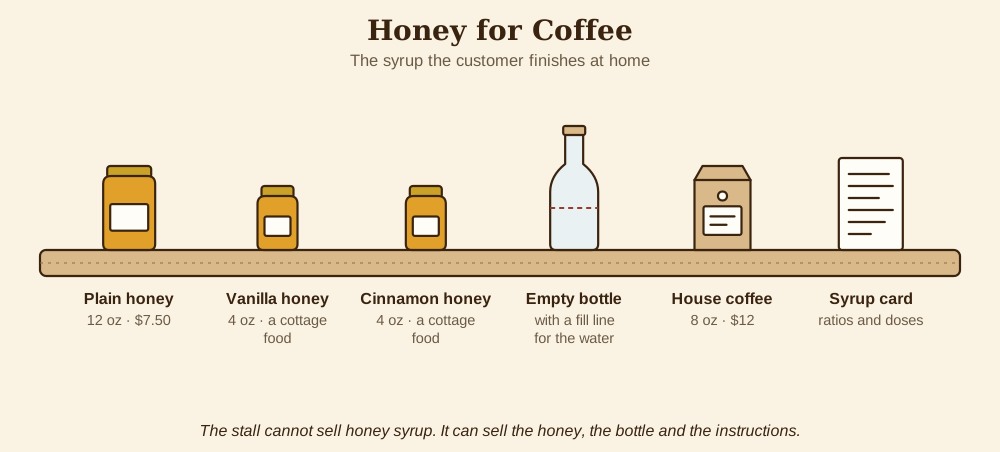
A 12 oz jar of plain honey ($7.50), two 4 oz jars of flavoured honey, an empty bottle with a line marked on it, an 8 oz bag of coffee ($12) and a card. The honey and coffee are $19.50; the small jars and the bottle are not priced yet, and about $30 is the figure to aim at.
The stall cannot sell honey syrup. It can sell everything the syrup is made of. The card says: fill the bottle with honey to the line, top it up with warm water, shake, keep it in the refrigerator and use it within a few days. Honey in Coffee has the ratio, the reason the water should be warm and not hot, and the two published opinions on how long it keeps. The customer mixes it fresh, which is better than anything bottled a month ago would have been.
The Phin Kit
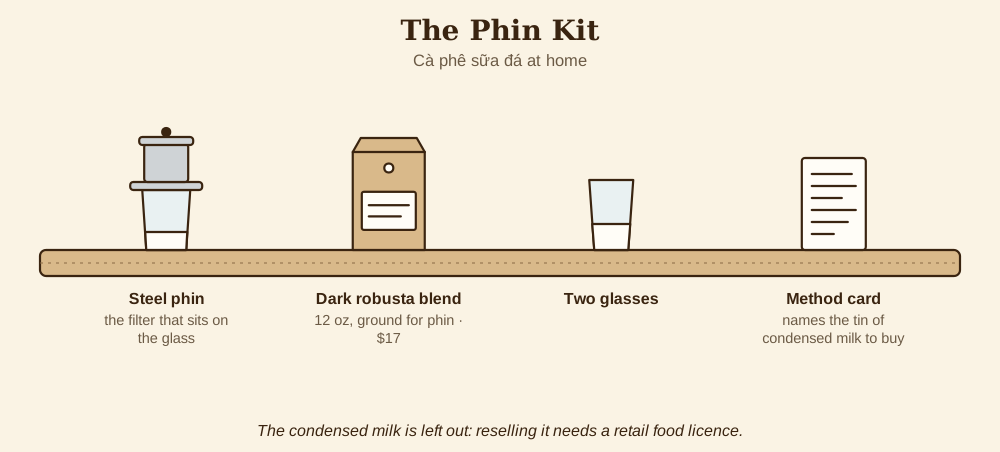
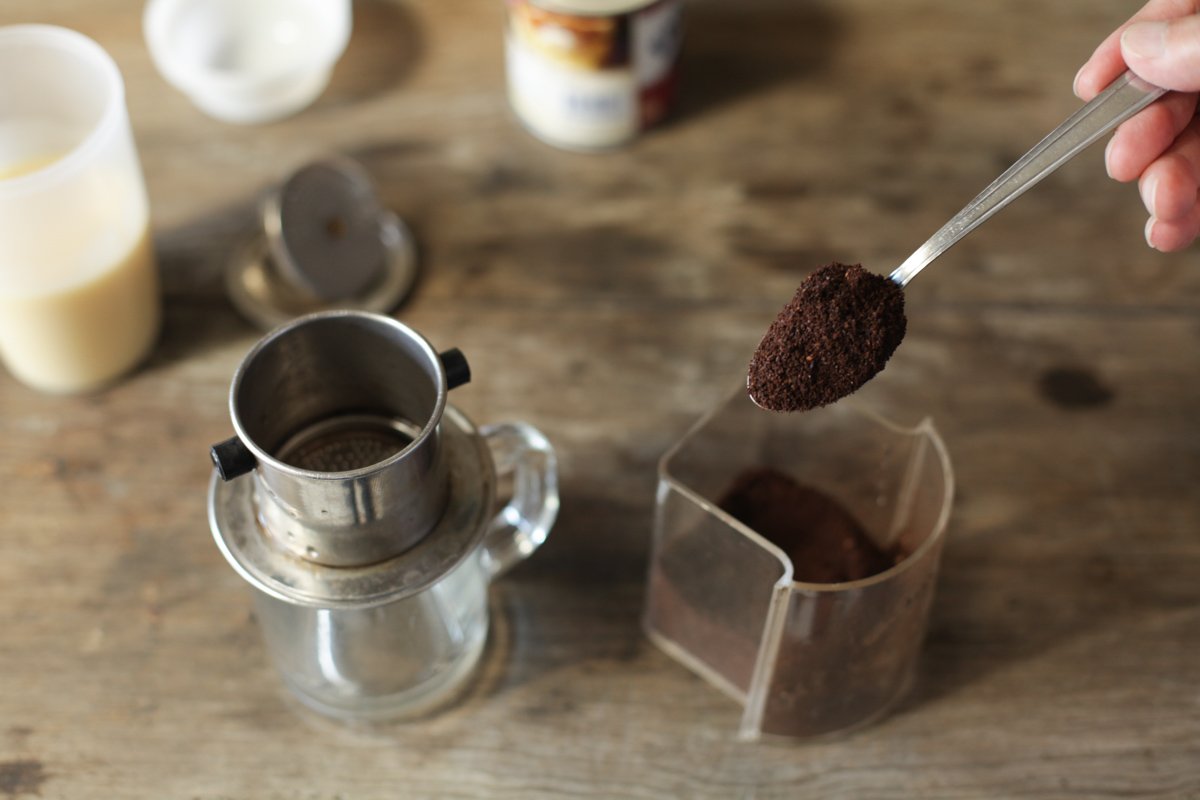
A steel phin, a 12 oz bag of the dark robusta blend ground for it ($17), two glasses and a method card.
I drank cà phê sữa đá (kah fay shoo-uh dah · [kaː˨˩ fej˧˧ ʂɨə˨˩˦ ʔɗaː˦˥]) every morning in Vietnam, and the phin is the brewer on the menu that people stop to watch. The grinders page says it sells itself once someone has seen one drip; this is the box to hand them afterwards. The tin of sweetened condensed milk is left out, because reselling it takes a retail food licence, so the card names the size of tin to buy and where it sits in a supermarket.
No maker’s US page listed a phin with a price on 2 October 2026, so the kit has no total yet.
The Michigan Morning
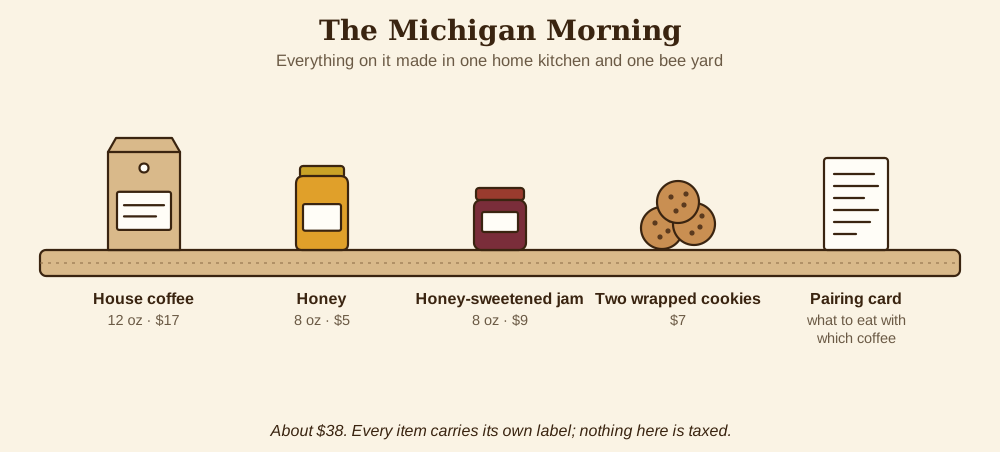
House coffee ($17), an 8 oz jar of honey ($5), a jar of honey-sweetened jam ($9), two wrapped cookies ($7) and a card on what to eat with which coffee. $38.
Everything in it comes from one kitchen and one bee yard, every item is food, and nothing in it is taxed. It depends on the jam passing the 65% soluble-solids test that the rules page describes. Maple syrup belongs in this basket only if it is from my own trees, or once there is a licence that covers reselling a neighbour’s. A Michigan sugarbush sells 8 oz of syrup in glass for $7.99, which is the price to plan against.
The Tasting Flight
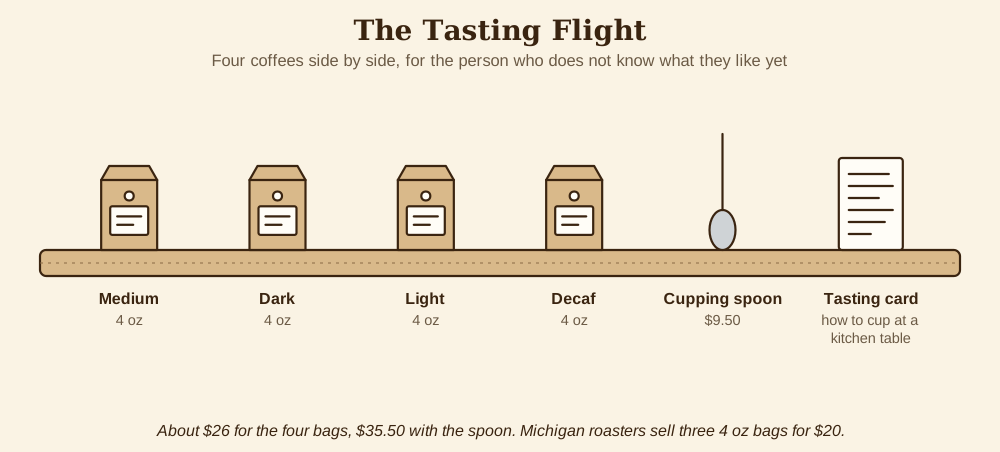
Four 4 oz bags from the line-up (the medium house coffee, the dark, the light Ethiopia and the decaf), a tasting card, and a cupping spoon for $9.50 more. $26 for the bags at $6.50 each, $35.50 with the spoon.
It is for the person who says they do not know what they like. Michigan roasters already sell this shape: Foster Coffee sells three 4 oz bags for $19.99, and Higher Grounds three 6 oz bags for $30. Each small bag needs its own complete label, so this is four labels’ work for one sale. Hosting a Tasting has the method for the card.
The Sunday Carafe
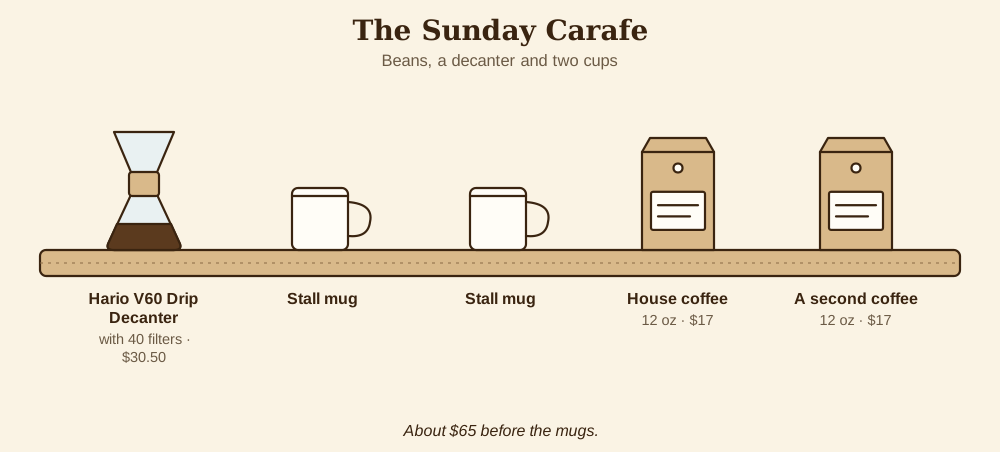
A Hario V60 Drip Decanter ($30.50, brews one to four cups and comes with 40 filters), two stall mugs and two bags of coffee ($34). $64.50 before the mugs, about $96 with them.
The decanter is a brewer and a serving jug in one piece of glass, so the basket needs no dripper. A Chemex at $49.50 plus filters at $11 does the same job at a higher price and is the one people recognise.
The Cold Brew Jar
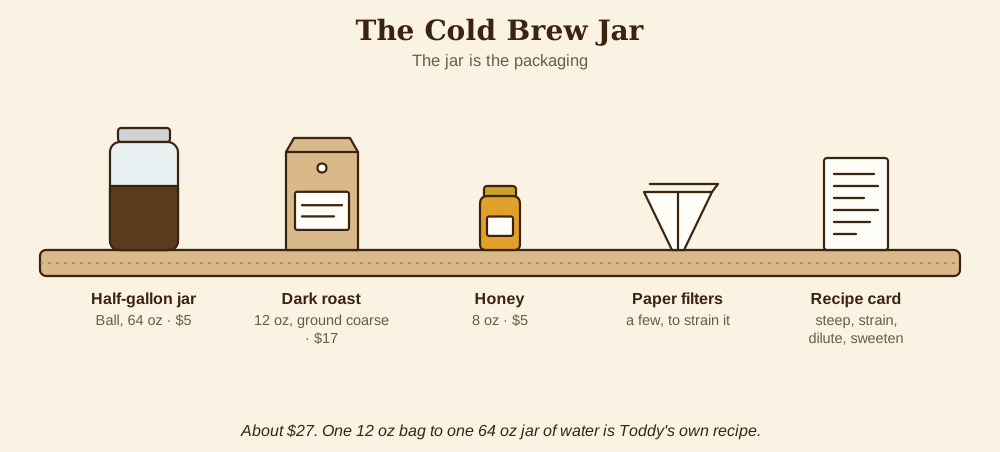
A half-gallon jar, a 12 oz bag of dark roast ground coarse ($17), an 8 oz jar of honey ($5), a few paper filters and a recipe card. About $27 with the jar at $5.
The jar is the packaging, and the recipe is already the right size: Toddy’s own instructions are 12 oz of coffee to 64 fl oz of water, which is one bag to one jar. A case of six Ball 64 oz jars is $18.99, or $3.17 a jar. Cold brew cannot be steeped at home for sale at the stall (Iced Coffee and Ice), but nothing stops a customer making it in their own kitchen, and the same page has what to do with it after the steep. The bag is ground at home and labelled “ground coarse for cold brew.”
Syrups in a basket: what is allowed
| Sweet thing | May it go in a basket from a home kitchen? | Why |
|---|---|---|
| My own honey, in jars | Yes | Honey from the producer has its own exemption, with its own label wording |
| Honey flavoured with vanilla or cinnamon | Yes, as a cottage food | ”Flavored honey” is on MDARD’s allowed list; it takes the cottage food label |
| My own maple syrup, plain or flavoured, if I make it | Yes | Plain syrup is under the same exemption as honey; “Flavored maple syrups” is on the cottage list |
| Honey syrup, vanilla syrup, any sugar-and-water syrup I make | No | ”No simple syrups” |
| Sealed bottles of Monin or Torani bought for resale | Not without a retail food licence | A vendor selling pre-packaged food needs a licensed base |
| Another producer’s maple syrup or honey | Not without a retail food licence | ”Those reselling honey or maple syrup that they did not produce themselves must be licensed” |
| A recipe card and an empty bottle | Yes | Neither is food |
One exemption in the Food Law covers a seller that “only sells prepackaged, non-potentially-hazardous foods” and “offers only an incidental amount of food.” MDARD’s own examples are “a hardware store, sporting goods store, or toy store.” A table whose business is honey and coffee is not selling an incidental amount of food, so the exemption is unlikely to fit; MDARD decides.
Flavoured honey is the opening. Whether “flavored” covers honey steeped with a whole vanilla bean or a cinnamon stick, and creamed honey, is not stated on any MDARD page.
When there is a licensed kitchen, the syrups page has the recipes by weight, and a house vanilla syrup in a labelled bottle becomes the obvious sixth item in half of these baskets. For price, Monin sells a 750 ml glass bottle for $12 and a set of five 50 ml miniatures for $13.
Pricing a basket
No brewing-gear maker publishes its wholesale discount, so the margin on a grinder is unknown until a reseller application is answered (Grinders). No sourced figure for how gift baskets are marked up exists in any university extension publication either. What can be said from published numbers:
- A 12 oz bag costs $6 to $8 to make and sells at $17, so the coffee carries $9 to $11 a bag (The Numbers). Any discount for buying the basket should come out of the coffee, where the margin is known.
- Sets on sale now are 10% to 21% below the sum of their parts. Madcap’s five-coffee sampler is $48 against $61, Counter Culture’s two-bag bundle $32 against $40, Peet’s pour-over kit $126.77 against $140.85, and Fellow’s brew kit $260 against $305.90.
- Bundles sell things that would not sell alone. The University of Tennessee’s pricing guide for farm marketers: “Bundles may encourage customers to purchase items they would not have otherwise purchased because of the perceived discount.”
A workable rule until the wholesale prices are known: gear at its shelf price, $2 off each bag of coffee in a basket, and the packing included. On the Daily Pour-Over that is $220.50 for $224.50 of goods, in a box, with a card.
What others charge for sets of this kind:
| Seller | Set | Price |
|---|---|---|
| Great Lakes Coffee, Michigan | Two 12 oz bags and two mugs | $54.00 |
| Stumptown | Three 12 oz bags in a gift box | $58.00 |
| Bold Bean, Florida | V60, filters, a travel mug, a bag of coffee | $85.00 |
| Peet’s | Chemex, filters, 1 lb of coffee | $126.77 |
| Fellow | Electric kettle, pour-over set, a 12 oz bag | $260.00 |
| Savannah Bee Company, Georgia | Coffee, honey, dipper, mug | $69.00 |
| Sleeping Bear Farms, Michigan beekeeper | Four honey products | $28.00 |
No roaster’s kit on sale on the day included a grinder. The three baskets at the top of this page fill a gap.
Packing it
| Container | Price each | Notes |
|---|---|---|
| Kraft tuck-top box, 8 × 8 × 3½ in | $0.69 (100 for $69.11) | For jars and small bags |
| Kraft tuck-top box, 10 × 10 × 6 in | $1.47 (50 for $73.47) | The size for a basket with gear in it |
| Kraft gable box, 9 × 6 × 6 in | $0.85 (100 for $84.58) | Has its own handle |
| Corrugated kraft market tray, 12½ × 8⅝ in | $3.78 (30 for $113.32) | An open basket shape in cardboard |
| Willow basket, 10 in oval | $8.67 | ”Sold in cartons of 240,” delivery in 60 to 90 days |
| Canvas tote | $10.00 (in threes) | The bag is part of the gift |
| Half-gallon canning jar | $3.17 | For the Cold Brew Jar |
| Finish | Price | Notes |
|---|---|---|
| Crinkle-cut kraft paper | $36.46 for 10 lb | No supplier says how much a box takes. At a quarter pound a box, 91 cents. Weigh the first one. |
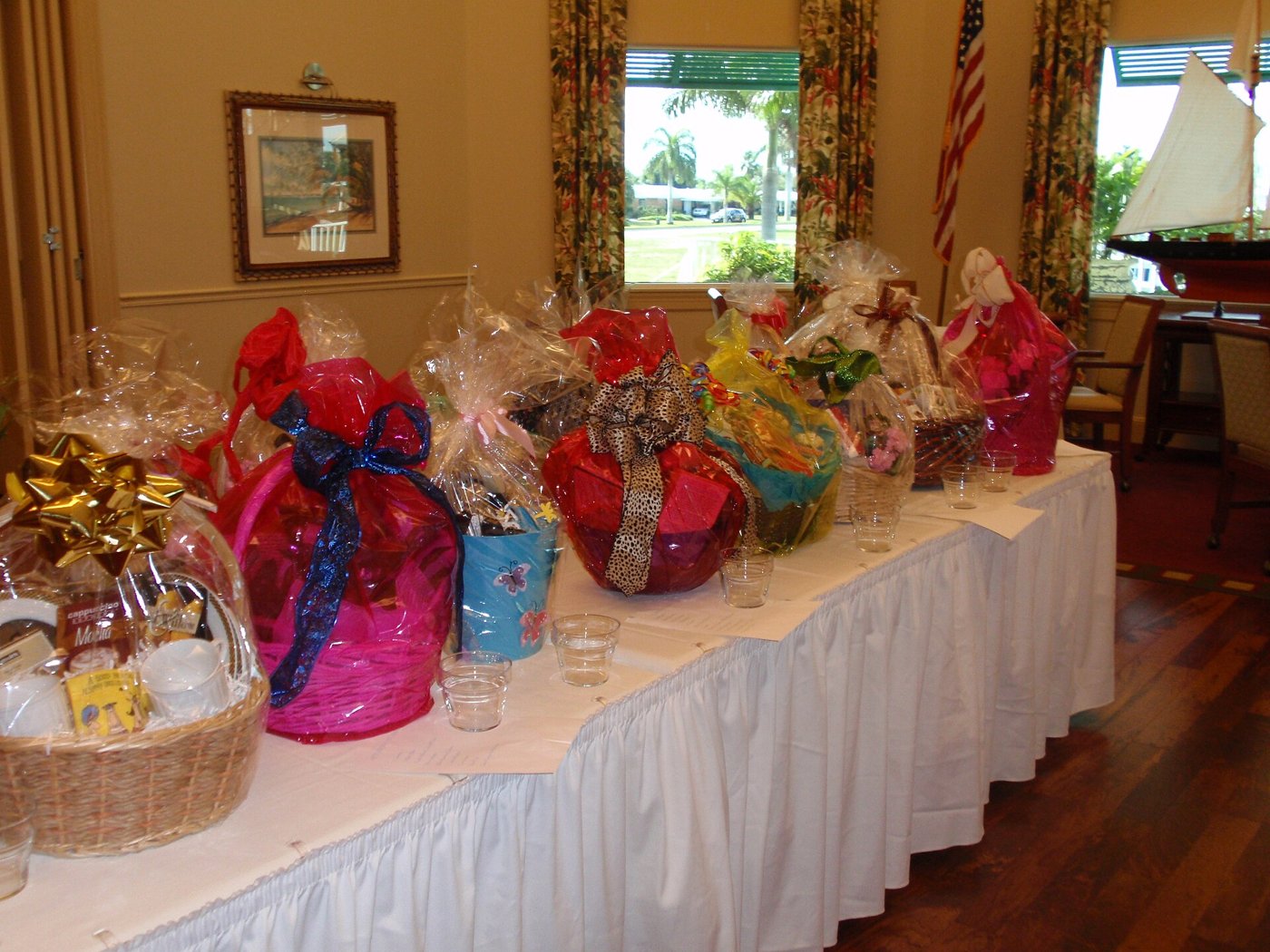
| Wood wool | $25 for 5 lb | What the box in the photograph at the top uses |
| Clear basket bag, 17 × 8 × 24 in | $0.38 (100 for $37.59) | Labels stay readable through it |
| Dome shrink bag, 22 × 22 in | $0.26 (100 for $25.70) | Needs a heat gun or a hair dryer; “choose a bag about twice the diameter of your basket” |
| Jute cord | 7 cents a yard | |
| Strung tags | 2 cents | For the price and the contents |
Measure a filled bag before ordering boxes: the 16 oz pouch on the bags page is 7 × 11½ in before it is filled, which is taller than the smaller boxes are wide.
A kraft box, shred, cord and a tag come to about $2.50 to $3.50 a basket. A market tray in a clear bag is about $5. A real willow basket is out of reach in small numbers.
Four things follow from the rest of the wing:
- Pack the gear ahead and add the coffee on the day. Coffee is sold within about two weeks of its roast date (the line-up page), so a basket made up in October for a December market has stale coffee in it. Keep the boxes packed with everything but the bags, and drop in bags roasted that week.
- Finished baskets live in the house. Cottage foods “must be stored only in the primary domestic residence,” which rules out the garage.
- Do not hide the coffee. The Stall warns that a table crowded with goods hides what is being sold. One of each basket on a riser at the back, with the stock under the table, is enough.
- A printed card costs almost nothing and is the stall’s own. The reference cards are already made. A ratio card in a First Grind box is the difference between a grinder that gets used and one that goes in a drawer.
A deposit jar, an edible cup and a branded mug are discussed on Cups, and Standing Out; the mug chosen there is the mug in these baskets.
When they sell
Gift baskets are a November and December product, and those are market months in mid-Michigan:
| Market | Published dates |
|---|---|
| Meridian Township, Okemos | Saturdays May to November outdoors; its 2025–26 vendor application lists indoor Saturdays at the Meridian Mall from late November through 20 December, at $25 a stall a day |
| Allen Farmers Market, Lansing | Wednesdays 3 to 6:30 pm, 4 November 2026 to 5 May 2027, closed 23 and 30 December and 6 January |
| Midland Area Farmers Market | To 31 October, then 7, 14 and 21 November |
| Downtown Ludington | No winter market; Small Business Saturday is 28 November 2026 and the Cookie Walk 12 December |
The National Retail Federation’s 2025 holiday survey found “42% of shoppers planning to begin browsing and buying for the holiday season before November,” and planned spending of $627.93 a person on gifts. A shopping-centre trade survey the same month put “food and beverages” on the list of 43% of shoppers (ICSC). So the baskets should be on the table by the middle of October.
The other two dates are in spring: the federation’s surveys put planned spending at $284.25 a person for Mother’s Day and $226.58 for Father’s Day in 2026. Neither survey names food or coffee among the leading gifts.
A sensible start
- Make three. The First Grind, the Beekeeper’s Cup and the Tasting Flight cover a first grinder at about $70, the basket nobody else can sell at about $45, and an easy gift at $26.
- Stock the gear thinly. Three Mini-Slim+ grinders and three drippers are $159 at shelf price. Reorder when two have sold.
- Show the bigger baskets as cards. The Daily Pour-Over and the Aficionado go on the table as a photograph and a contents list, made to order for the next market.
- Add the Cold Brew Jar in June and the Michigan Morning once the jam has its refractometer readings.
- Write down what people ask for. The basket somebody describes at the table in October is the one to have ready in November.
Questions to ask before spending money
MDARD (cottage food line, 800-292-3939):
- May cottage foods be sold in a gift basket together with goods that are not food, if each food item carries its own label?
- Is putting sealed, labelled bags and jars into a box at the stall “packaging food on-site”?
- Does “flavored honey” cover honey steeped with a vanilla bean or a cinnamon stick, and creamed honey?
- Would a honey and coffee table that resells a few sealed bottles of syrup need a retail food establishment licence?
Department of Treasury:
- When exempt coffee and honey and a taxable grinder are sold in one basket with each priced on the receipt, is tax due only on the grinder?
- Does a mug in the basket make the coffee “food sold with eating utensils provided by the seller,” which the sales tax act treats as taxable prepared food?
- Is the box or basket itself taxed when it has its own line on the receipt?
What is not known
- The wholesale price of any grinder, dripper or kettle named here, and so the profit on any basket with gear in it.
- What a phin costs from a maker with a US page.
- How much shred a box takes.
- Whether honey sales and cottage food sales share one annual cap or have one each. MDARD’s pages do not say; the rules page reports one university’s reading.
- How baskets sell at Michigan farmers markets. Nothing has been published.
Sources
- MDARD: cottage food What Can I Make?, Labeling, Selling and Samples, Maple Syrup and Honey, farmers market answers and food licensing.
- Michigan Food Law: MCL 289.1105, 289.1109, 289.4102 and 289.4105. General Sales Tax Act, MCL 205.54g.
- Michigan Department of Treasury: Revenue Administrative Bulletin 2026-2; technical advice letter of 23 October 2017; Treasury Update, June 2020.
- Makers’ and retailers’ product pages, linked at each price, read 2 October 2026: Hario, Timemore, 1Zpresso, Baratza, Fellow, Chemex, Maestri House, Sweet Maria’s, Prima Coffee, Monin, Quality Logo Products, Emalco, Doodle’s Sugarbush.
- Packaging: Paper Mart, Uline, BoxAndWrap, Wald Imports and WebstaurantStore, linked in the tables.
- Gift sets: Madcap, Counter Culture, Great Lakes Coffee, Foster Coffee, Higher Grounds, Stumptown, Bold Bean, Peet’s, Fellow, Savannah Bee Company and Sleeping Bear Farms, read 2 October 2026.
- University of Tennessee Extension PB1803, A General Guide to Pricing for Direct Farm Marketers and Value-Added Agricultural Entrepreneurs (Bruch and Ernst, 2011); Penn State Extension and Oregon State Extension on pricing.
- National Retail Federation holiday, Mother’s Day and Father’s Day surveys; ICSC 2025 Holiday Intentions Survey.
- Toddy for the cold brew ratio.
Comments (0)