Starting a Coffee Business · 13 of 20
Cups, and Standing Out
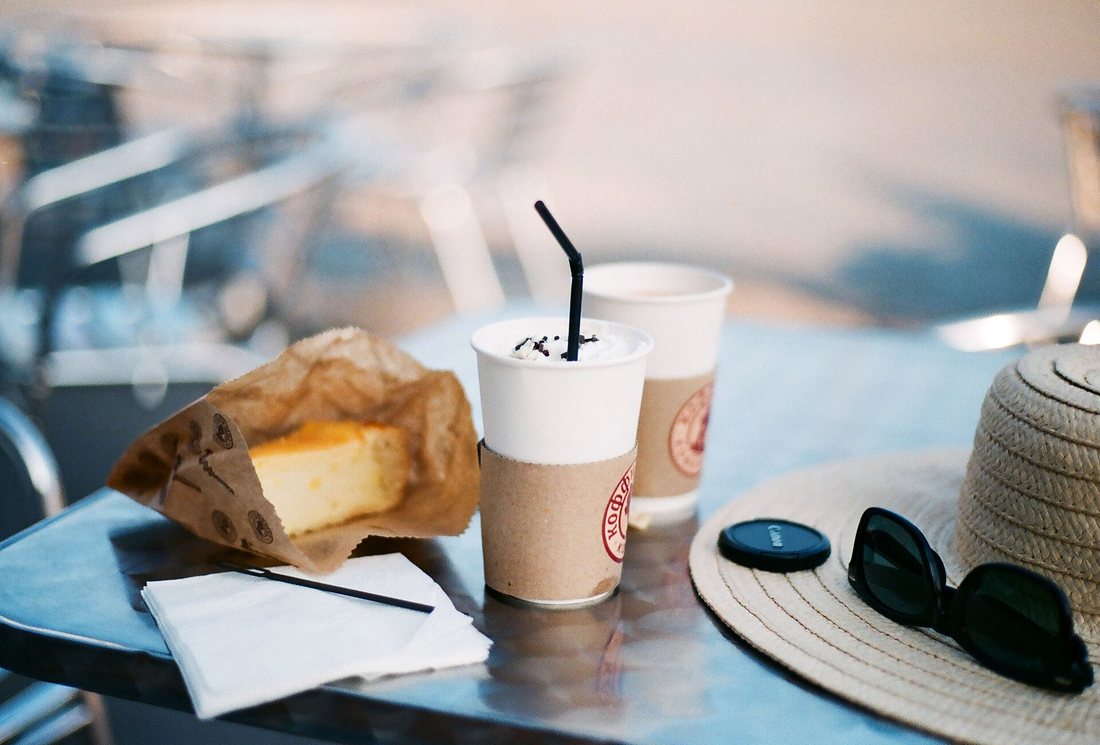
A paper cup is the only part of the stall the customer carries away through the market, so it is advertising as well as packaging. I want the drink to stand out, at a cost people will still pay. This page prices the choices, from a plain white cup to a custom-printed one, and ends with what looks like the best value: a kraft cup, a rubber stamp and a wooden honey dipper.
Prices are food-service case prices read on 2 October 2026.
What a plain cup costs
Hot cups, each:
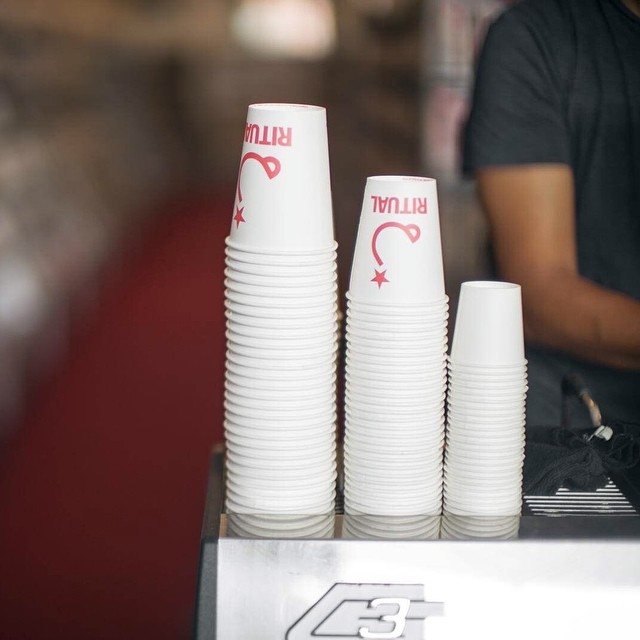
| Cup | 8 oz | 12 oz | 16 oz |
|---|---|---|---|
| White single wall | 3.8¢ | 4.6¢ | 5.3¢ |
| Kraft single wall | 6.5¢ | 6.8¢ | |
| White double wall (no sleeve needed) | 8.3¢ | 10.2¢ | 12.3¢ |
| Ripple double wall, kraft or white | 9.3¢ | 11.9¢ | 16.5¢ |
| Compostable single wall, kraft or white | 6.3¢ | 7.7¢ | 8.9¢ |
| Compostable ripple double wall, kraft | 13.7¢ | 17.0¢ | 20.5¢ |
Lids are 3¢, or 6¢ to 8¢ compostable. A kraft sleeve is 3.5¢.
Cold cups, each: clear plastic (PET) 12 oz 5.4¢, 16 oz 5.8¢, flat lid 3.3¢. Clear compostable (PLA) 12 oz 8.7¢, 16 oz 9.9¢, lid 5.1¢.
What a complete cup costs:
| Set | Cost |
|---|---|
| 12 oz white cup, lid, sleeve | 11¢ |
| 12 oz ripple double-wall cup, lid | 15¢ |
| 12 oz compostable cup, compostable lid, sleeve | 19¢ |
| 16 oz clear cold cup and lid | 9¢ |
| 16 oz clear compostable cold cup and lid | 15¢ |
On a $4 drink the difference between the cheapest set and the compostable set is eight cents, 2% of the price. The cup is not where the money is saved.
Foam. A standard foam cup is cheap and keeps coffee hot, and Michigan law bars local governments from banning it. It also says “gas station” more clearly than any other object on the table. It has no place at a stall that sells honey from its own hives.
Ways to make the cup the stall’s own
| Method | Cost per cup | Minimum | Notes |
|---|---|---|---|
| Rubber stamp on a kraft cup | about 1¢ over 5,000 cups (a $36 stamp and a $13.50 pad) | one stamp | Hand-made look; each cup slightly different |
| Blank kraft sleeve, stamped | 6¢ for the sleeve | a case of 1,800 | The stamp goes on the sleeve, not the cup |
| Custom-printed sleeve | 30¢ to 45¢ | 500 | Dearer than printing the cup |
| Vinyl sticker | about 23¢ at 1,000 | Also sells as a sticker | |
| Custom-printed cup, full colour | 29¢ at 1,000; 24¢ at 5,000 | 1,000; three weeks | About 20¢ more than a plain cup |
| Custom-printed compostable double-wall | 17¢ | 50,000 cups, four months | Not a stall-sized order |
A stamp is the clear first choice. It costs fifty dollars once, it works on cups, sleeves, bags and napkins, and it suits a small maker. Whether the ink on the outside of a cup raises any food-contact question was not found; a water-based pad ink, stamped low on the cup and left to dry, is the cautious way.
A custom-printed cup makes sense when the stall is using a thousand cups a month and the design is settled. That is a decision for after the business has a final name and mark.
Beyond paper
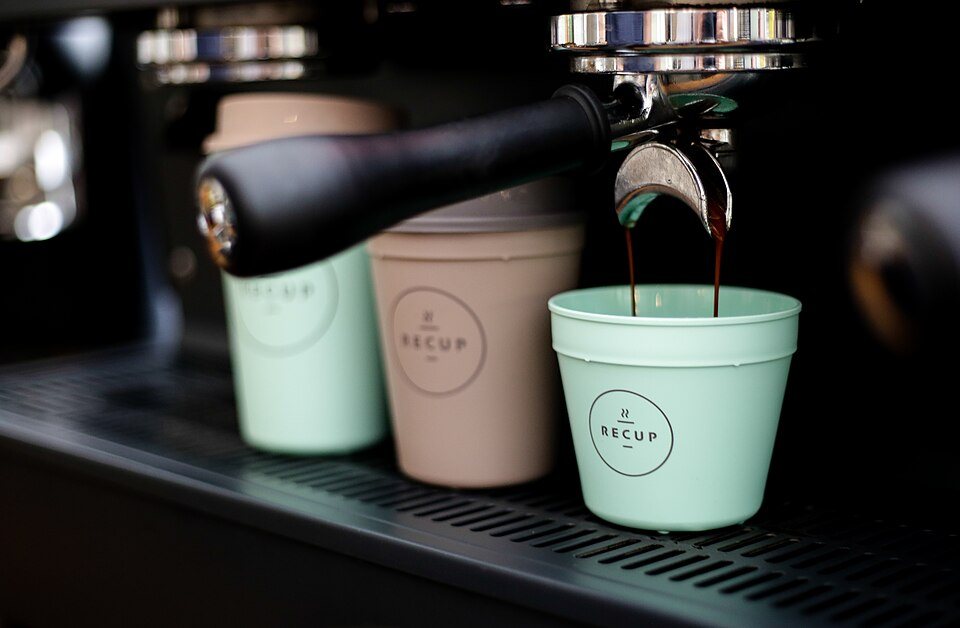
A deposit jar. A few cafés serve in a mason jar with a $1 or $2 deposit, refunded or discounted on return. It is the most memorable cup possible and it suits honey and jam. The obstacle is washing. Michigan’s minimum for washing anything at a stall is three basins of hot potable water big enough to submerge the item. Returned jars would have to go home dirty in a closed bin and come back clean from a licensed kitchen. That makes it a programme for the shop. Whether a stall may refill a customer’s own cup is not addressed in the Michigan documents read.
An edible cup. Wafer cups exist. They hold a hot drink for about 40 minutes up to 185 °F and cost $2.30 to $2.45 each at retail. As a general cup that is the price of the coffee. As the cup for one small special, a 4 oz egg coffee say, it is a talking point that is priced into the drink.
A cup people buy. A branded enamel mug or insulated tumbler sold at the stall, with 50 cents off every refill in it. Nothing was found on how well refill discounts work, and washing is the customer’s job, so it needs no sink. It is merchandise that also solves the cup.
What makes a drink stand out besides the cup
These cost little and are within what a stall can do:
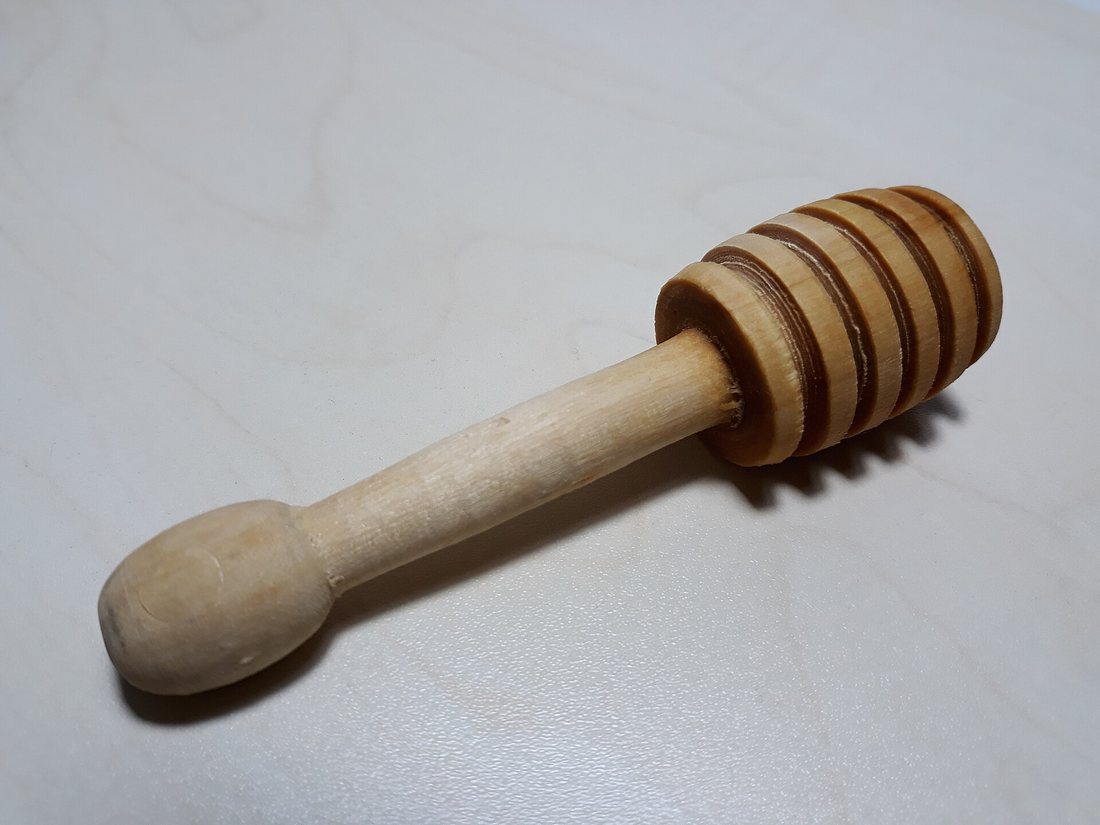
- A wooden honey dipper in the cup. A 6½-inch wooden dipper costs $1.19 in single quantities, less by the case. In a honey coffee, with a line of honey on it, it is the garnish nobody else has, and the customer takes it home. Priced into a $5 drink it is the most visible dollar on the table.
- A clear cup for cold drinks. Coffee over ice, with condensed milk still swirling, sells the next one down the line.
- The roast date and the coffee’s name written on the cup. A marker and five seconds. It tells the customer which bag to buy.
- Honey from a labelled bottle, squeezed in front of the customer, and the jar of the same honey beside the till.
- A paper tag on a string around the cup or bag with the coffee’s name and three flavor words.
- The phin on the counter, dripping. A method people have not seen is better signage than a sign.
A sensible start
| Item | Choice | Cost per drink |
|---|---|---|
| Hot cup | 12 oz kraft single wall, stamped | 6.5¢ |
| Lid | Standard travel lid | 3¢ |
| Sleeve | Kraft, stamped | 3.5¢ |
| Cold cup | 16 oz clear compostable, with lid | 15¢ |
| Sample cup | 4 oz compostable hot cup | 4¢ |
| Honey dipper, in honey drinks only | Wooden, 6½ inch | about $1 |
That is about 13 cents for a hot drink and 15 cents for a cold one, with the stall’s mark on every cup, for an outlay of fifty dollars in stamps.
Sources
- WebstaurantStore listings for hot cups, lids, cold cups, sleeves and honey dippers, read 2 October 2026.
- Your Brand Cafe (custom 12 oz cups); Good Start Packaging (custom compostable double-wall cups).
- Espresso Parts (rubber stamps), Sticker Mule (stickers) and a sleeve printer’s price list, read as search summaries.
- Cupffee and Good-Edi edible cups, as reported by The Spoon and the makers’ US sites.
- Fresh Cup and a Colorado Springs newspaper on deposit jars.
- MCL 445.592 (Michigan’s preemption of local rules on containers); MDARD temporary food establishment guidance on warewashing.
Comments (0)