Starting a Coffee Business · 4 of 20
Green Coffee and the Line-Up: What to Buy and What to Roast First
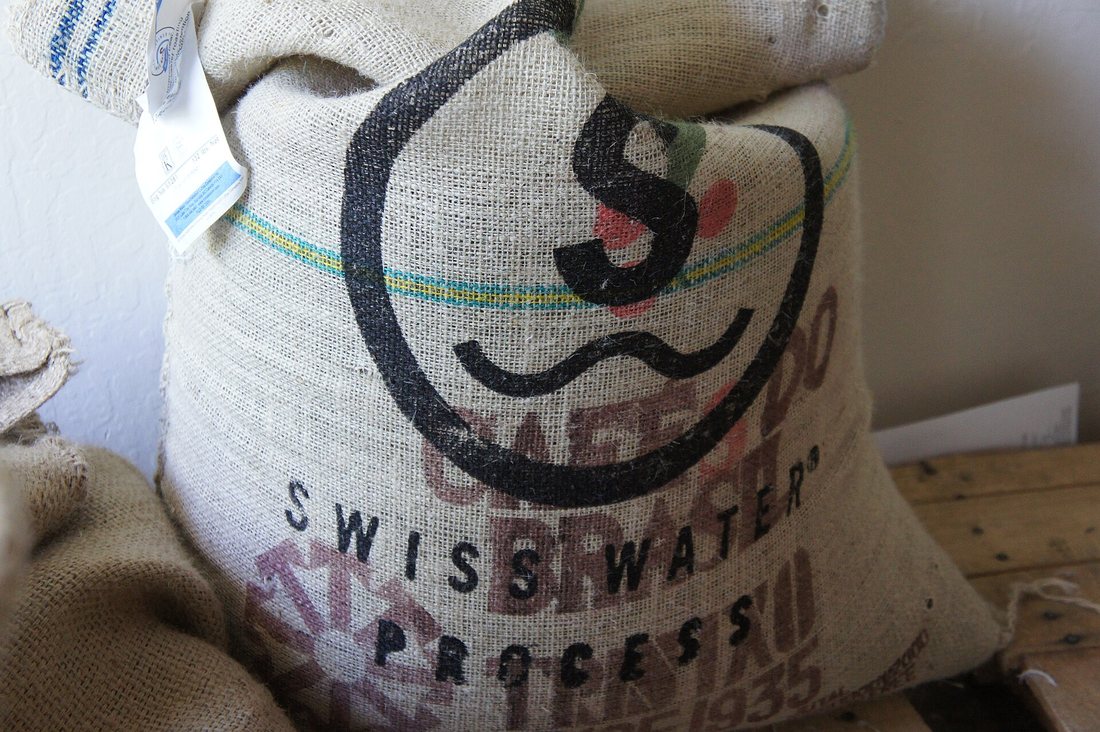
A stall does not need twenty coffees. It needs four or five that a first-year roaster can roast the same way every week, that a stranger at a market will like on the first sip, and that cost little enough green to leave a margin. This page covers which coffees those are, what they cost on 2 October 2026, how much to buy, and how long roasted coffee should rest before it is sold or brewed.
What people say they drink
The National Coffee Association’s Spring 2025 survey, as reported by the importer Covoya, asked coffee drinkers what roast they had:
- 63% said medium.
- 35% said dark.
- 12% said light.
Light roast was strongest among the young, at 23% of 18-to-24-year-olds and 19% of those 25 to 39, against 7 to 8% of people over 40. Dark roast ran 39 to 40% across everyone aged 25 to 59. (The NCA report itself is paywalled; these figures are Covoya’s account of it.)
A farmers-market crowd in mid-Michigan skews older than a city café’s. The table should be built around a medium and a dark, with one lighter coffee for the customer who asks for it.
Coffees that forgive a beginner
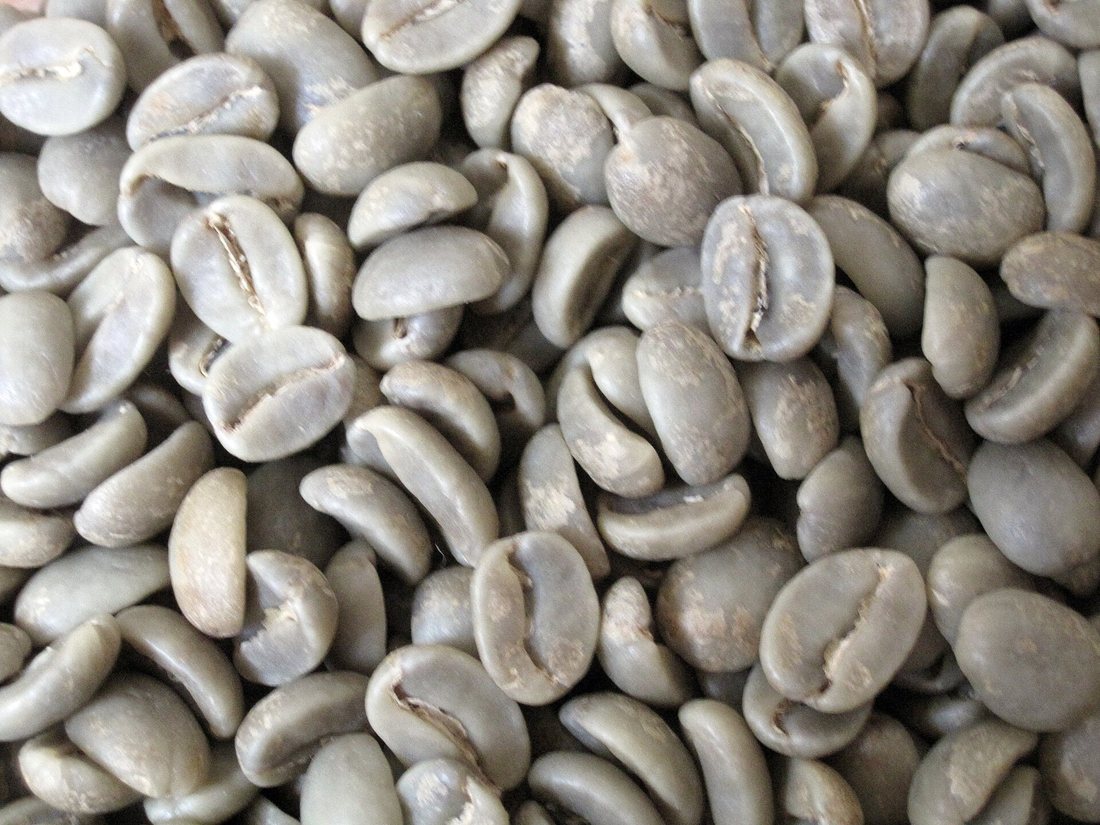
Mill City Roasters, which trains new commercial roasters, advises starting with “crowd pleasers”: “Brazil, Peru, Mexico, Guatemala, or washed Colombia,” coffees with “Chocolate, nuts, light citrus” notes that are “hard to mess up.” For a lighter roast it suggests a washed Ethiopia, “lemony and refreshing.” It says to hold off on natural-process coffees, single estates and micro-lots until the roasting is consistent, and on decaf it says “decaf drinkers deserve great coffee,” pointing to a Colombian ethyl-acetate (sugarcane) decaf or a Swiss Water Peru.
Two technical notes explain why some origins behave differently in the same roaster:
- Moisture. Sweet Maria’s puts normal arrival moisture at 10.5 to 11%, says Ethiopian coffees can arrive as low as 8.5%, and some wet-hulled Indonesian coffees at about 12.5%. A dry coffee roasted to the same weight loss “will end up a lot darker than you expected.”
- Decaf. The Behmor manual warns that decaf and aged coffees “roast faster and get darker more quickly.”
A starting line-up
| # | Coffee | Roast | Why it is on the table |
|---|---|---|---|
| 1 | Washed Colombia or Guatemala | Medium | The house coffee, at the roast level 63% of drinkers name |
| 2 | Brazil natural, alone or with Sumatra | Dark | The 35% who want dark; also the base of any blend |
| 3 | Washed Ethiopia | Light to medium | The bright one, for the younger customer and the pour-over |
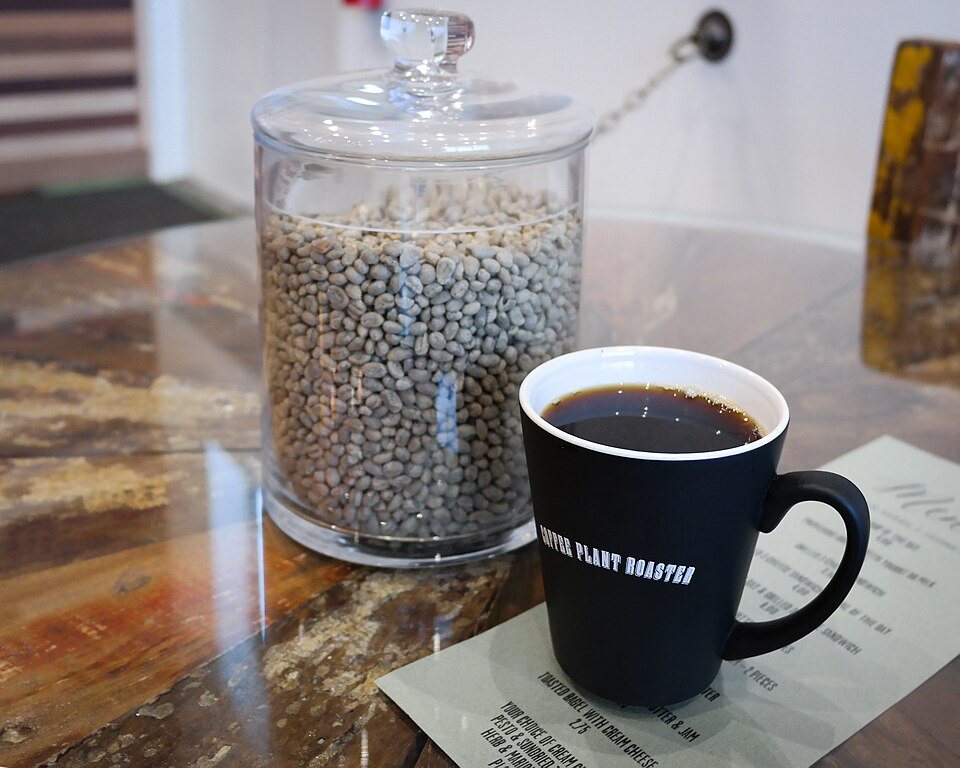
| 4 | Colombia sugarcane (EA) or Swiss Water decaf | Medium | Someone asks for decaf at every market |
| 5 | Robusta, or a robusta blend | Dark | Only if phin coffee is on the menu |
The first four follow the sourced guidance. The fifth, and the choice of Sumatra for a dark roast, rest on custom: Vietnamese coffee is traditionally dark-roasted robusta, and no importer guidance on robusta for the phin was found.
Two cautions. A Behmor cannot make items 2 and 5 as true dark roasts; its manual stops at ten seconds into second crack (Choosing a Roaster). And nothing was found on whether blends or single origins sell better at markets. One forum seller from 2015 brought “a dark, medium, a light roast, and a de-caf” and rotated origins weekly, which is the same shape as the table above.
What green coffee costs today
The same class of coffee costs very different amounts depending on how much is bought at once.
| Quantity bought | Typical price per pound | Example |
|---|---|---|
| 1 lb | $8.50–$9.50 | Sweet Maria’s Colombia Huila $8.50; Sumatra wet-hulled $9.45 |
| 1 lb, budget seller | $5.60–$7.60 | Happy Mug Brazil Cerrado $5.58; Colombia Cauca $7.10 |
| 20 lb | $7.50–$8.50 | Sweet Maria’s Colombia Huila $7.45; Guatemala $8.70 |
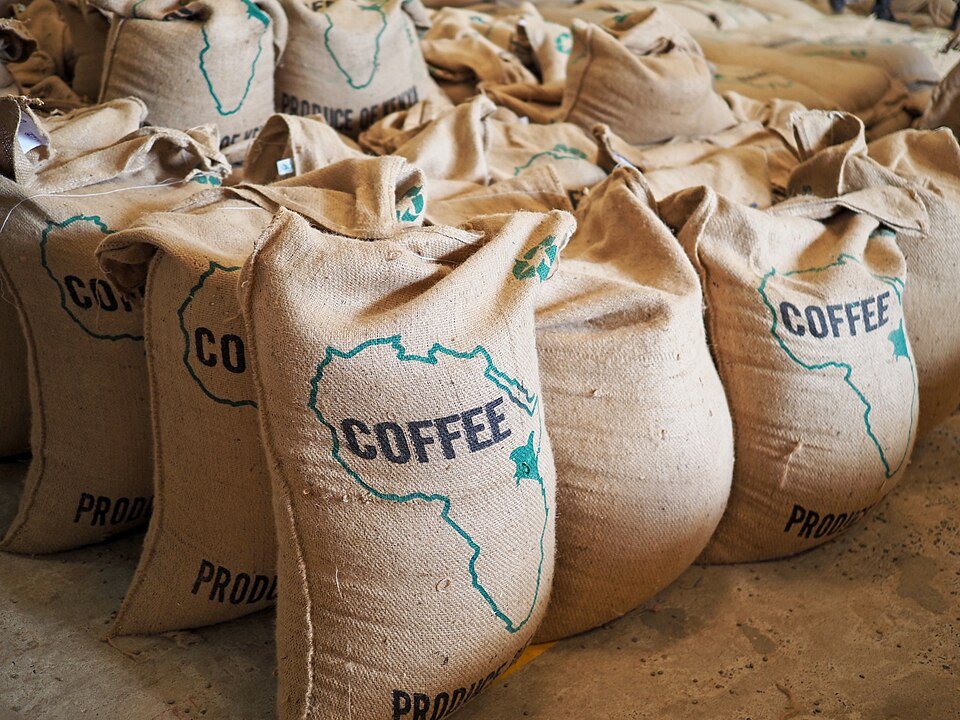
| 65 lb box, shipping included | $5.75–$7.35 | Genuine Origin Brazil natural $5.74; Colombia Excelso $6.11; Ethiopia washed $7.35 |
| Full bag (about 130 lb), before freight | about $4.60 | Royal Coffee Brazil Cerrado natural |
Decaf runs higher: $6.56 a pound for a Colombian sugarcane decaf and $7.18 for a Swiss Water decaf in Genuine Origin’s 65 lb boxes. Robusta was scarce: Sweet Maria’s listed a Uganda robusta at $6.65 a pound and Coffee Bean Corral a Vietnam robusta at $8.85, while every robusta at Happy Mug was out of stock.
Genuine Origin ships its boxes free in the continental US and takes 10 cents a pound off at three boxes. Shipping charges from the one-pound sellers could not be found and need adding to their prices.
The market behind those prices. Arabica futures hit a record of about $4.41 a pound in February 2025. The US tariffs that had been added to coffee, including a total of 50% on Brazil, were removed in November 2025. On 2 October 2026 the futures price was $2.95 a pound, down about a quarter on the year. Retail green prices for small buyers have not fallen as far.
How much to buy, and how to keep it
Green coffee keeps. Sweet Maria’s says it “will not have a drop in cup quality from about 6 months, even up to 1 year from arrival date,” kept “cool and dry at room temperature, and away from direct sunlight,” and that “the refrigerator is too moist for green beans and the freezer is too dry.” Royal New York gives up to 12 months at 50 to 70 °F and recommends hermetic liners such as GrainPro or Ecotact.
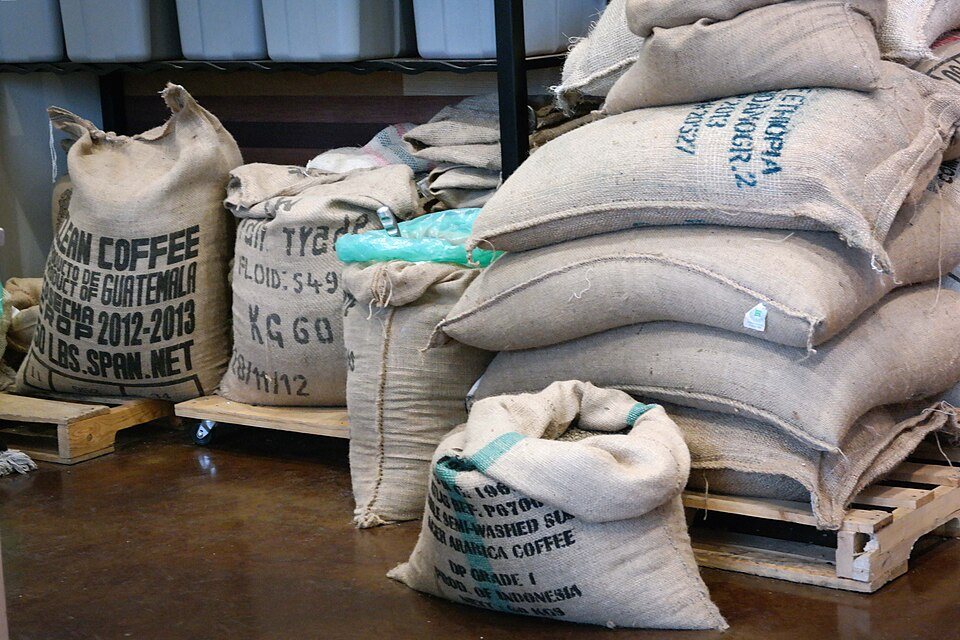
That makes the buying plan simple:
- While learning: one-pound and five-pound lots of many coffees. The point is to find the four that will be on the table, and the extra few dollars a pound is tuition.
- Once the line-up is set: 65 lb boxes of the two or three that sell most. At 20 lb a week roasted, one box is under three weeks of one coffee, so nothing sits long enough to fade.
- Full bags only when one coffee is selling 130 lb in well under a year.
Resting, and how fresh is fresh
Coffee is not at its best straight out of the roaster. Sweet Maria’s: “coffee needs a minimum of 12-24 hours rest after roasting before it is brewed,” and the cup “will begin to show a loss in flavor after about a week,” so “we call coffee ‘fresh’ for 7 days if it is stored properly.” Elsewhere it says roasted coffee “starts to fade in 7-14 days.” Longer rests for espresso and for light roasts are widely repeated but were only seen in retailer blogs.
The working rule those sources support:
- Roast two to four days before the market.
- Brew samples from coffee that is at least a day old.
- Print the roast date on every bag.
- Sell nothing more than about two weeks from roast. What is left becomes the week’s brewed coffee, cold brew, or the coffee for cooking.
A printed roast date is the one thing a supermarket bag almost never has. It costs nothing, and it is the plainest reason to buy from the person who roasted it.
Sources
- Covoya Specialty Coffee, “Making a Case for Dark Roast,” reporting NCA National Coffee Data Trends, Spring 2025.
- Mill City Roasters, “The Best Green Coffee to Start With.”
- Sweet Maria’s library: weight-loss article, green coffee FAQ, “Storing your roasted coffee” (read through an archive mirror).
- Royal New York, “Managing Inventory 101: Green Coffee Storage.”
- Seller listings read 2 October 2026: Sweet Maria’s, Happy Mug, Theta Ridge, Coffee Bean Corral, Burman, Genuine Origin, Royal Coffee.
- Perfect Daily Grind (February 2026), Daily Coffee News (21 November 2025) and Trading Economics for the futures price and tariffs.
- CoffeeForums, “Startup Roaster Selling at Farmers Markets” (January 2015).
Comments (0)