Starting a Coffee Business · 17 of 20
The Numbers: What It Costs to Start and What a Market Day Can Earn
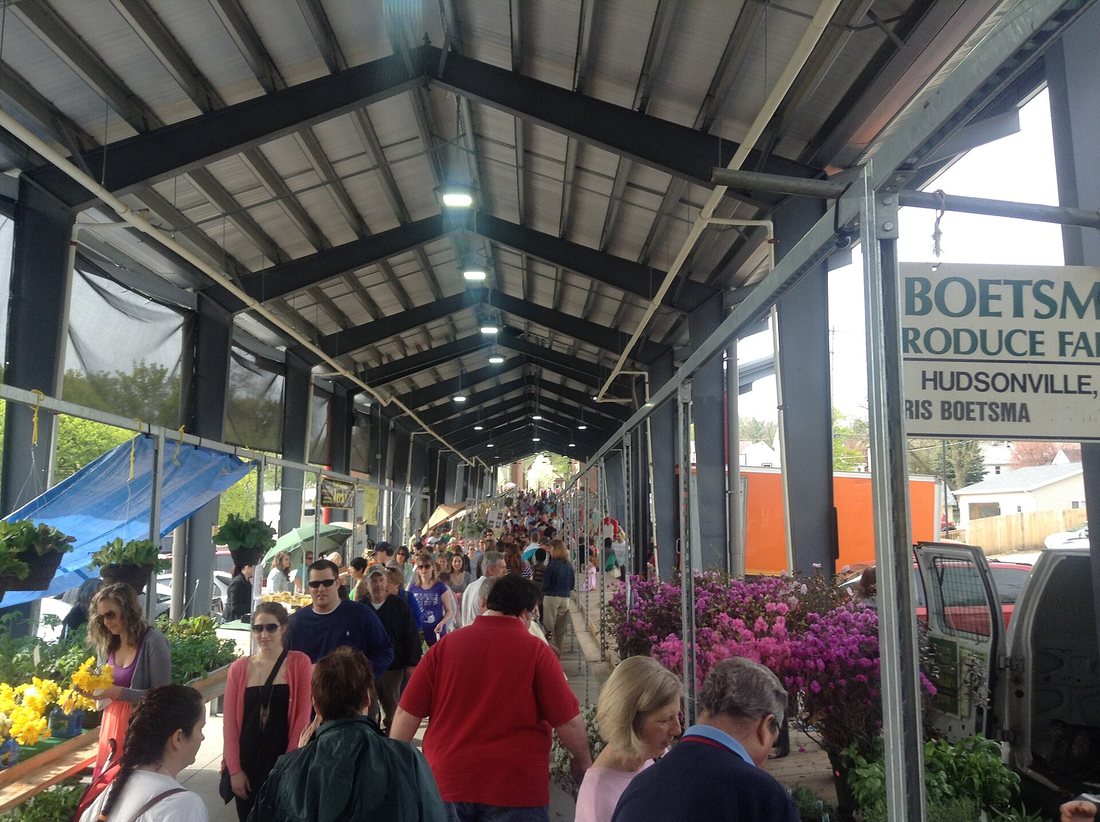
Every figure on this page is built from a price or a rule on one of the other pages. The market-day totals are models: arithmetic on stated assumptions, because nothing published says what a coffee stall in Michigan sells in a day. They are here to show which numbers matter. The first few real markets will replace them.
What each thing costs to make
A 12 oz bag costs about $6 to $8 in green coffee, bag, label and electricity (Bags, Labels and What a Bag Costs). At $17 that leaves $9 to $11.
A cup. Roasted coffee made from $6.11-a-pound green, after 15% roasting loss, costs $7.19 a pound, or 1.6 cents a gram.
| Drink | Price | What goes in | Cost | Left over |
|---|---|---|---|---|
| Pour-over, 12 oz | $4.00 | 20 g coffee 32¢; cup, lid, sleeve 13¢ | about 45¢ | $3.55 |
| House coffee from the airpot | $3.50 | 20 g coffee 32¢; cup set 13¢ | about 45¢ | $3.05 |
| Cà phê sữa đá (kah fay shoo-uh dah · [kaː˨˩ fej˧˧ ʂɨə˨˩˦ ʔɗaː˦˥]) | $5.50 | 25 g coffee 40¢; condensed milk about 30¢; ice 15¢; clear cup 15¢ | about $1.00 | $4.50 |
| Honey coffee, hot | $5.00 | 20 g coffee 32¢; 15 g of honey, about 33¢ at its retail value; half-and-half; cup set 13¢ | about 90¢ | $4.10 |
| Iced coffee, 16 oz | $4.00 | 23 g coffee 36¢; ice 15¢; clear cup 15¢ | about 65¢ | $3.35 |
A wooden honey dipper adds about a dollar to any drink it goes in.
Cups are taxed at 6% and bags are not (the rules page). A $4.00 menu price that includes the tax is $3.77 of revenue.
Samples. Two hundred tastes of 1½ oz is about 9 litres of coffee, which takes a little over a pound of roasted coffee, about $8. The cups are another $8. Sampling costs about $16 a market, or the profit on a bag and a half.
A cup earns less than a bag but far more per pound. A pound of roasted coffee makes one and a third bags, worth about $13 after costs, or about 22 cups, worth about $75. The cups are where the money is. The cups are also what need the licence, the water, the ice and the second pair of hands.
What it costs to start
Stage 1: bags, baked goods and jam under cottage food
| Item | Cost |
|---|---|
| Roaster for the learning year (Behmor 2000AB Plus), optional | $479 |
| Green coffee to learn on and to find the line-up, about 20 lb in small lots | about $160 |
| Valve bags, first 100 compostable pouches | $95 |
| Brand labels, first roll of 500 | about $125 |
| Impulse heat sealer | about $100 |
| Scale with timer | $65 |
| Rubber stamp and pad | $50 |
| Refractometer for the jam | not priced here |
| Tasting airpots, three | $90 to $300 |
| Sample cups, 1,000 compostable | $40 |
| Handwashing station (insulated spigot container, bucket, soap, towels) | not priced here |
| Total, without the roaster | about $725 to $935 |
| Total, with the Behmor | about $1,200 to $1,400 |
The canopy, weights, tables and card reader are already part of selling honey at a market. Liability insurance is the unknown: markets ask for anywhere from nothing to $1,000,000 of cover with the market named as insured, and no premium was researched. Get a quote before applying to a market that requires it.
Stage 2: adding brewed cups
| Item | Cost |
|---|---|
| Licence: one temporary licence per event, or | $104 to $126 each |
| a Transitory Food Unit for the year | about $165, plus two inspections at $90, plus plan review |
| Vacuum airpots for hot water, four | $120 to $400 |
| Pour-over stand, two drippers, filters | about $200 |
| Phins, 24 oz and 4 oz | not priced here |
| Second cooler | about $240 for a good one |
| Probe thermometer, sanitizer, test strips | small |
| Cups, lids, sleeves, first 1,000 | about $130 |
| A second power station with a 1,500 W inverter, optional | $560 to $670 |
| Total, without the power station or licence | about $700 to $1,000 |
Stage 3: a production roaster
| Item | Cost |
|---|---|
| Aillio Bullet R2 (120 V) | $4,099 |
| or Bullet R2 Pro (240 V) | $5,299 |
| Venting, built to suit | not priced |
| A 240 V circuit, if needed for the Pro | not priced |
At about $10 left on each bag, an R2 is paid for by 410 bags, which is about 310 lb of roasted coffee.
A market day, modelled
Assumptions: a $25 stall fee; 18 bags sold, which is the order of the few volumes found (Prices and Customers); bags at $17 costing $7 to make.
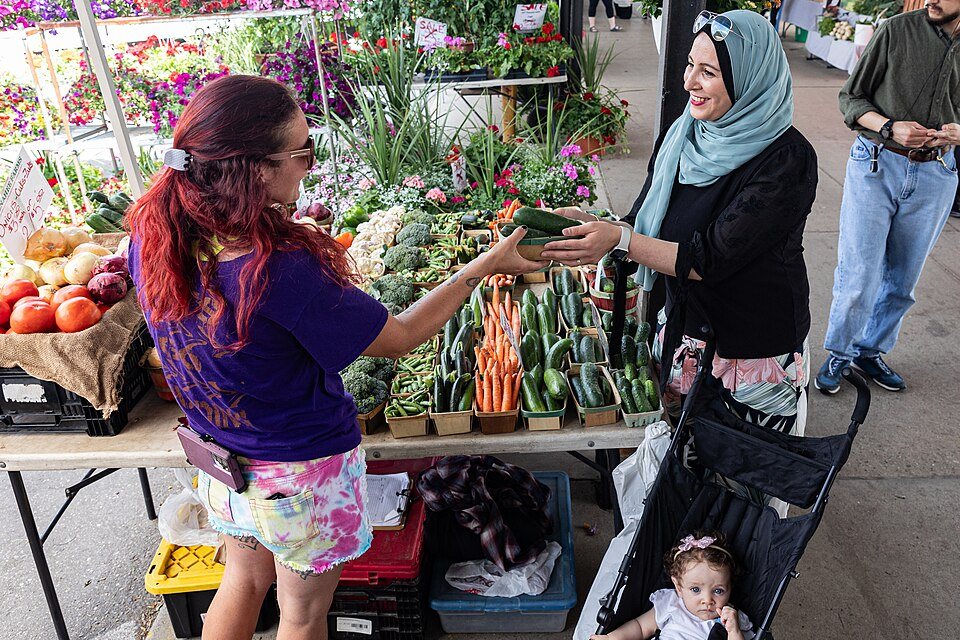
Bags and samples only
| 18 bags at $17 | $306 |
| Cost of the bags | −$126 |
| Stall fee | −$25 |
| Samples | −$16 |
| Left for the day | about $140 |
Honey, jam and baked goods sell on the same table and are not in that figure.
Adding 40 cups, at an average of $4.50
| With a season licence (about $15 a market) | With a temporary licence every market ($104) | |
|---|---|---|
| 40 cups, less sales tax | $170 | $170 |
| Cost of the cups | −$30 | −$30 |
| Ice and water | −$11 | −$11 |
| Licence, per market | −$15 | −$104 |
| Added by the cups | about $115 | about $25 |
| Day total with bags | about $255 | about $165 |
That table is the most useful thing on this page. Whether cups are worth selling depends on how the licence is charged. Under a licence paid once for the season, forty cups nearly double the day. Under a $104 licence for every market day, forty cups barely cover it, and the break-even is about 32 cups. That is the first question for the health department.
For comparison, one roaster on a 2015 forum reported averaging about $250 for a five-hour market.
A season, and the cottage food cap
| One market a week, 24 weeks | Two a week | |
|---|---|---|
| Bags sold, at 18 a market | 432 | 864 |
| Roasted coffee | 324 lb | 648 lb |
| Bag revenue | $7,344 | $14,688 |
| Left from bags, after costs, fees and samples | about $3,300 | about $6,700 |
Those are far inside the $50,000 cottage food cap. The cap is reached at about 2,940 bags a year, which is 42 lb of roasted coffee a week, every week. A stall selling 60 lb a week all year would be over it, and would need a licensed kitchen whatever else was true. Baked goods and jam count toward the same cottage food total; by MSU Extension’s reading, honey and maple syrup each have a separate cap.
Where the money is, and is not
- Green coffee is 80 to 90% of a bag’s cost. Buying by the 65 lb box takes about two dollars off every bag.
- The cup itself is a rounding error. A compostable, stamped cup costs eight cents more than the cheapest white one.
- The licence structure is not a rounding error. It can be $15 a market or $104.
- Sampling is cheap at $16 a market, and nothing sells a bag like a taste.
- Time is the cost that is not on any of these tables. Roasting, bagging, labelling, baking, loading, a five-hour market and unloading is two long days for one market. A Behmor by its manual adds more: the 18 bags above would take it sixteen batches and about 25 hours.
The road to the shop
The one Michigan example found, 517 Coffee Company in Lansing, began roasting at home and selling at farmers markets in 2014 and opened its first shop in 2021: seven years. Honey, jam, baked goods and coffee on one table should shorten that, since each sale is larger. What the market years are for, besides the savings:
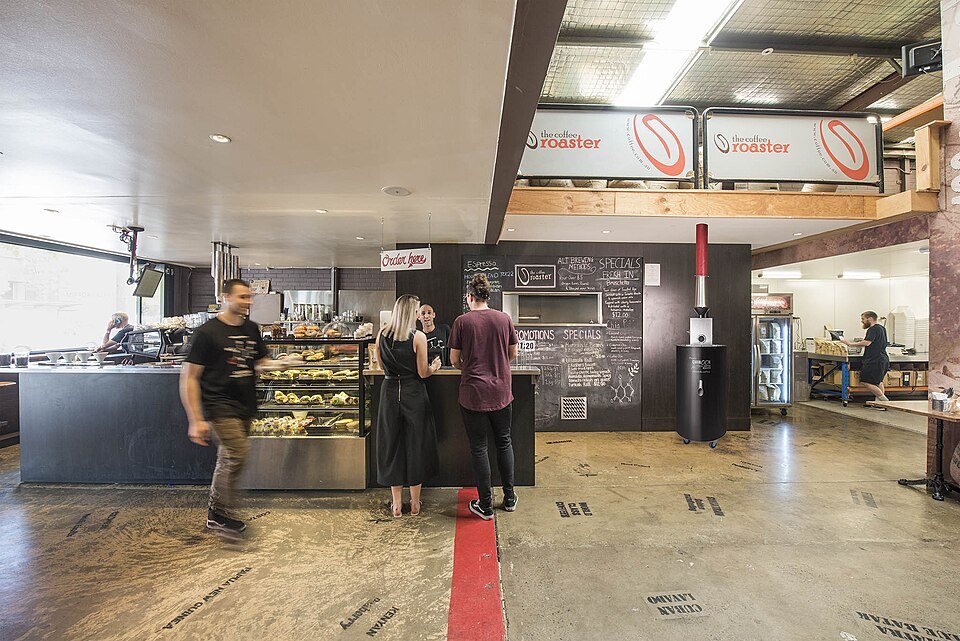
- A line-up of coffees that sells, proved week by week.
- A list of customers who will follow the stall to a shop.
- A record of sales that a landlord or a lender will read.
- Answers, in writing, from MDARD and the health department on every open question on the rules page.
The shop changes the arithmetic in three ways already visible here: a licensed kitchen removes the cottage food cap and the limits on ice, cold brew and syrup; it allows wholesale, at about 69% of the retail price by one Michigan roaster’s published list; and it lets the shop’s own staff serve at a market under the shop’s licence.
Sources
- Every price is taken from the other pages of this section and their sources.
- Michigan health department fee schedules (Mid-Michigan District, Central Michigan District, Bay County); MCL 289.6137 for the Transitory Food Unit inspections.
- CoffeeForums (2015) and the Upstate Business Journal (2024) for the two sales volumes; WITL (2024) for 517 Coffee.
- MCL 289.4102(5) for the cap; MSU Extension on the separate caps for honey and maple syrup.
Comments (0)