Starting a Coffee Business · 7 of 20
Prices and Customers: Mid-Michigan Markets, Roasters and What People Pay
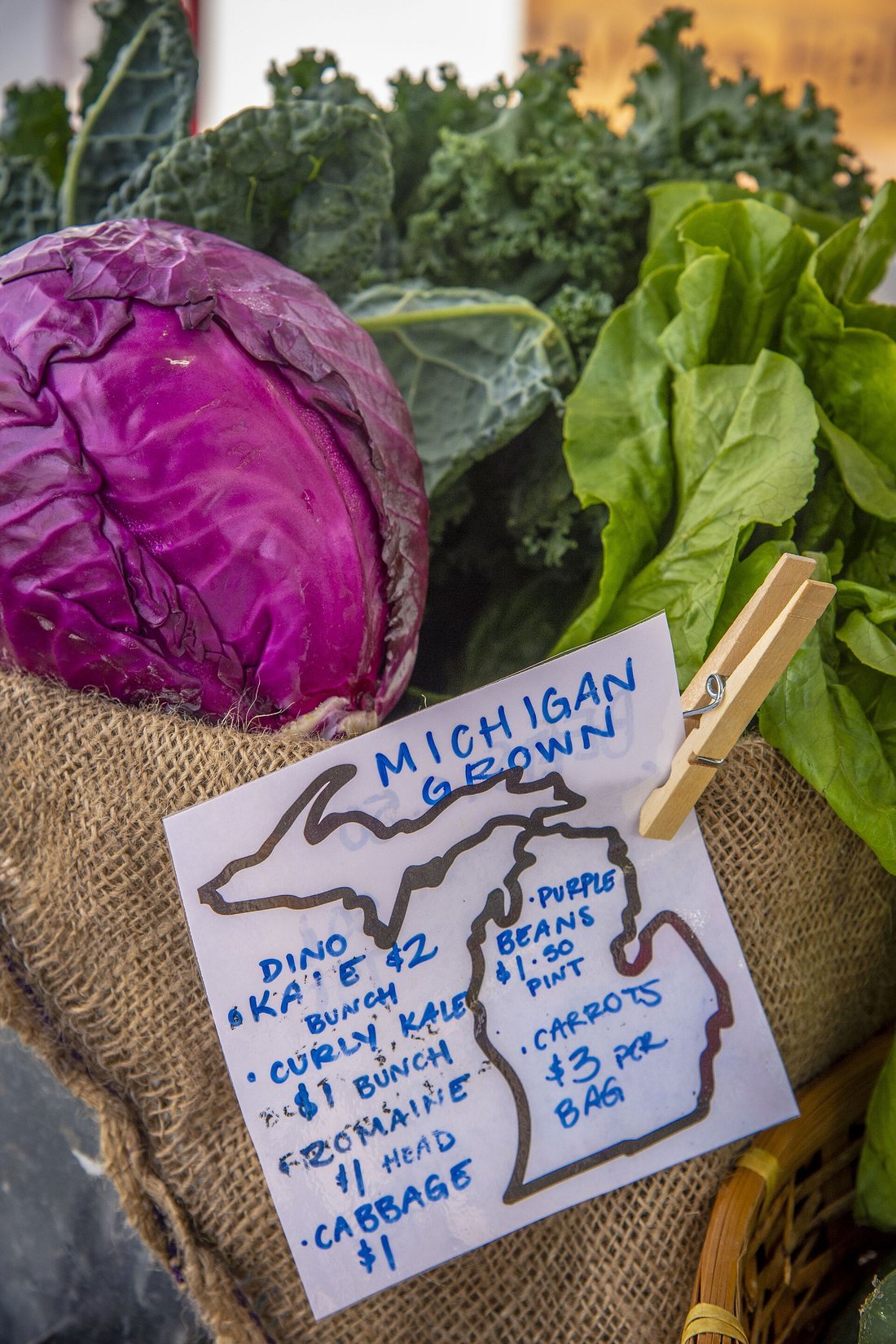
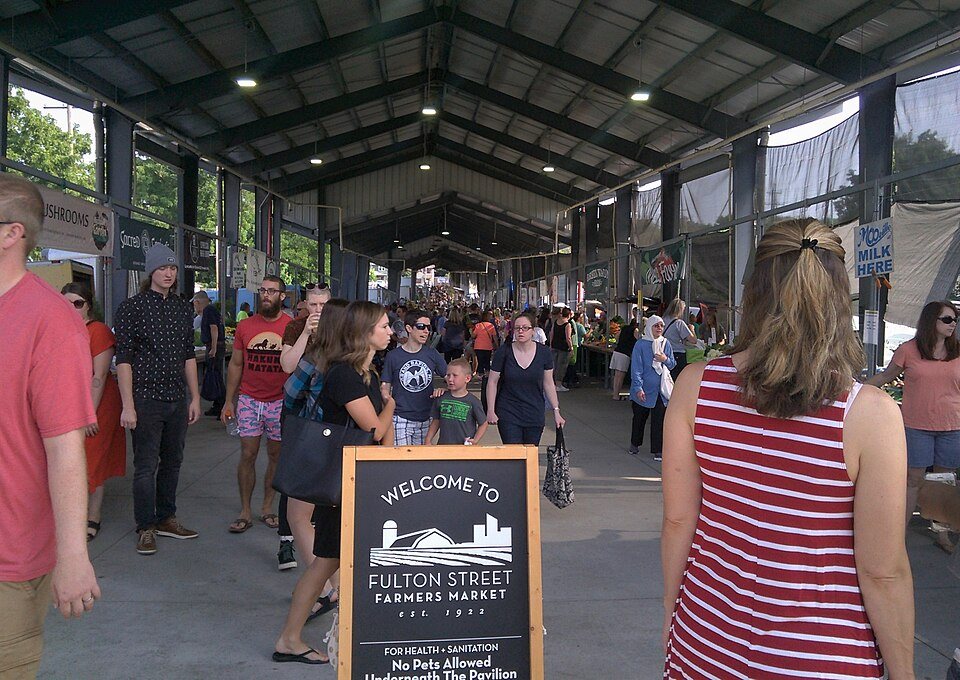
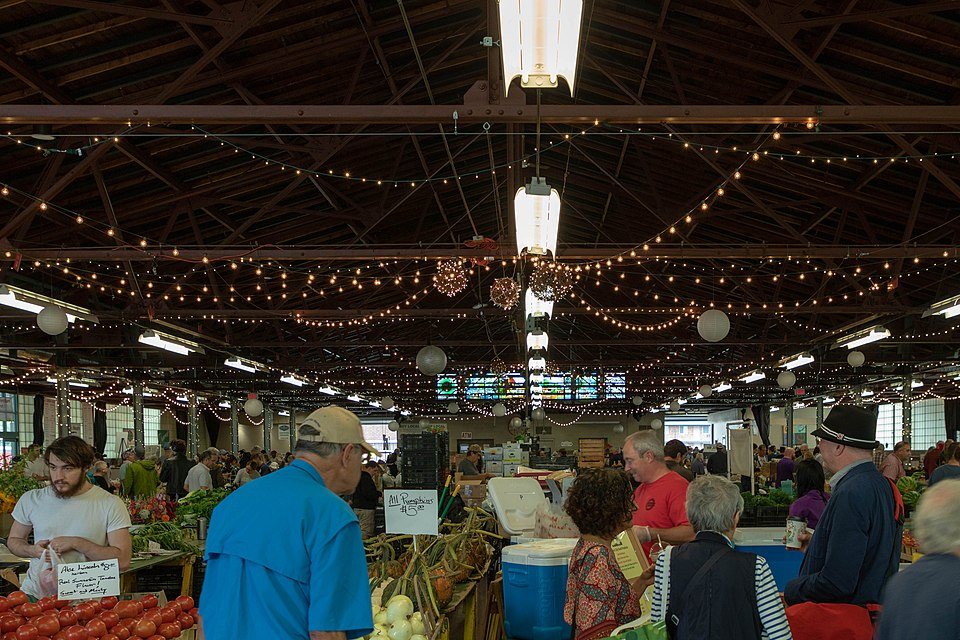
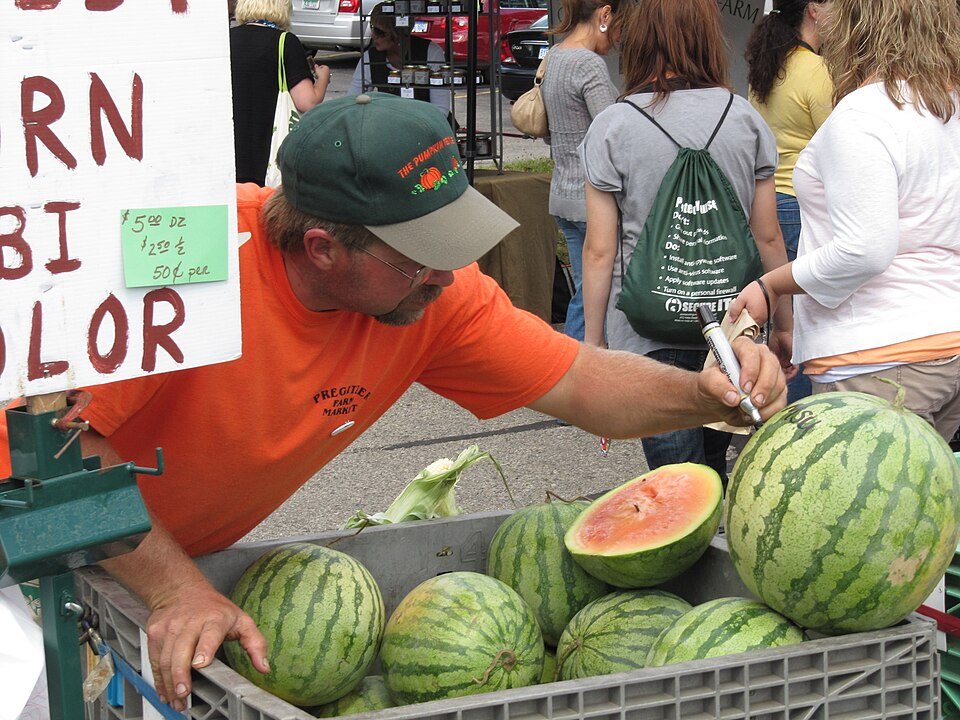
I already sell honey at farmers markets, so I know what a market morning is like. What I did not know was what a bag of coffee and a cup of coffee sell for across the part of Michigan I would work: the Lansing area, north through the middle of the state, and west to the lake at Ludington. This page is that survey, read on 2 October 2026, and the price list it leads to.
Three limits apply. A roaster’s online price is not always its market-table price, and no roaster publishes the second. No market coffee vendor in Michigan publishes cup prices. And nothing published says how many bags a Michigan stall sells in a day. Where the evidence is thin, the page says so.
The markets
Thirty-one markets were checked. The ones with published 2025–26 terms:
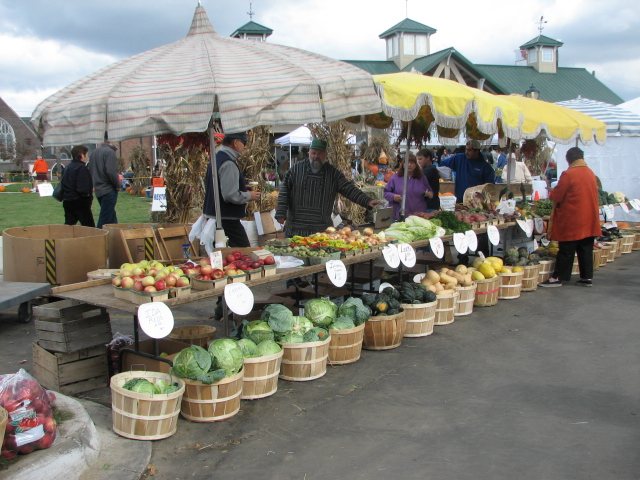
| Market | When | Day fee | Season fee | Electricity | Coffee vendor already there |
|---|---|---|---|---|---|
| Allen, Lansing | Wed afternoon, year-round | not published | not published | not published | Yes, an espresso cart |
| Meridian Township, Okemos | Sat May–Oct; Wed Jun–Oct; winter indoors | $30 Sat; $15 Wed | $450 Sat; $150 Wed | on request | Three, across the two days |
| East Lansing | Sun, Jun–Oct | $30 | $440 | $5 a day; no generators | Reported |
| Holt | Sat, year-round | $10–$20 | $14 a week indoors | fee by appliance | not found |
| South Lansing | Thu afternoon, May–Oct | $25 | $288 | $5 a day | ”Roasted coffee” on the product list |
| DeWitt | Tue evening, Jun–Oct | $14 (2022) | $160 (2022) | not published | not found; 2026 fully booked |
| Owosso | Sat, May–Oct | $30 | $350 | $10 a day | not found |
| Bath Township | Thu afternoon, late May–Oct | $15 | $220 | not published | not found |
| Ovid | Thu, Jun–mid-Oct | $10 | $150 | not published | not found |
| Mount Pleasant | Thu, Jun–Oct; Sat evening in summer | $25 | $200 | $1 a day | not found |
| Midland | Wed and Sat, May–Oct | $35 | $550 | none; quiet generator | not found |
| Alma | Sat, Jun–Oct | in the vendor portal | fee by equipment | not found | |
| Ithaca | Tue afternoon, May–Oct | free in 2026 | free | limited, on request | not found |
| Big Rapids | Fri, from May | $15–$20 (2024) | $250–$375 (2024) | not published | not found |
| Ludington | Fri afternoon, late May–late Sep | $20 | sold out for 2026 | not published | Yes |
| Pentwater | Mon and Thu, Jun–early Sep | $100–$125 | not published | Reported | |
| Ann Arbor (for comparison) | Wed and Sat | $35 | $500 |
What the table shows:
- A stall costs $10 to $35 a day. The median of the published walk-on rates is $25. Paid by the season, the cost per market day falls to between $7 and $20.
- Electricity is cheap where it exists, $1 to $10 a day, and often does not exist. East Lansing bans generators; Mount Pleasant allows quiet ones case by case. A stall that needs neither is welcome at more markets.
- Saturday morning stalls at the established markets are largely taken. Meridian says “few openings exist on Saturdays”; DeWitt is booked with a waiting list; Ludington’s seasonal spots sold out. Meridian’s Wednesday market “almost always has openings.” Weekday afternoon markets are the realistic way in.
- Coffee is already at several of them. A 2019 survey by the Michigan Farmers Market Association found that 81% of market managers try to keep a balance of vendor types. Whether a market wants a second coffee vendor is a question for its manager before it is a question of price.
- Brewed cups are harder to place than bags. Pentwater forbids processing food on site, Muskegon has no room for prepared-food vendors, and Mount Pleasant limits its Thursday market to a short product list. The rules page has the licensing side.
- Winter selling exists only around Lansing: Allen and Holt weekly, Meridian indoors three Saturdays a month, and a few dates at South Lansing.
The small towns north of Lansing
The big markets above are the hardest to get into. The small-town markets north of Lansing are the opposite, and they are worth a separate look. Each line is from the organiser’s own page or rules, read on 2 October 2026.
| Market | When | What a stall costs | What the rules say about food and drink |
|---|---|---|---|
| Bath Township | Thursdays 3:00–6:30 PM, 22 dates from late May to the end of October | $220 a season ($10 a market) or $15 a day, for a stall 10 feet wide and 20 deep with the vehicle parked in it | ”Prepared foods” are allowed with the licences to match. Nothing on electricity, generators or food trucks. No more than 20% of vendors may be crafts. |
| Ovid | Thursdays, 4 June to 15 October 2026, 20 dates | $150 a season ($7.50 a market) or $10 a day | The application has boxes for “Prepared Food” and “Food Truck/Concession.” Packaged food must come from a licensed kitchen or under the Cottage Food Law. Nothing on electricity. |
| Owosso | Saturdays 9–1, May to October, 26 dates | $350 a season ($13.46 a market) or $30 a day | ”Limited power available upon request ($10/day).” A food truck or concession pays $50 a day. |
| St. Johns | Saturdays 8–noon, June to October; and a Thursday market on Higham Street, 4–7 PM, June to August | Not published; the contact is a city phone number | Not published |
| Laingsburg | No weekly market. Thursday evening concerts in the park, 18 June to 13 August 2026, with ten booth spaces, and one-day markets | $15 an event, free to members of the business association | ”Open to local farmers, growers, crafters, food vendors, local businesses, and community organizations.” |
| Chesaning | Saturdays 10–1, late July to mid-October | $50 a season or $5 a Saturday (2024, the last posted) | Baked goods and “prepared foods” are named; insurance is encouraged, not required. |
What this adds to the picture:
- A stall costs $5 to $15 a day at these markets, a third to a half of the Lansing-area rate.
- Two of the Thursday markets overlap. Bath and Ovid both run on Thursday afternoons, so one stall can do one of them. A week could still hold a Thursday market and a Saturday one.
- None of them publishes a rule on electricity or generators, except Owosso’s $10 outlet. That is a question for each market manager, and the plan on Hot Water and Power assumes there is no outlet.
- None of them bars drinks made on site. Each leaves it to the food licence, and that comes from the county, not the market.
- Which county matters, because the licence fee differs. A temporary food licence is $114 from the Shiawassee County Health Department (2026 fee schedule; $225 with less than four days’ notice) and $104 from the Mid-Michigan District Health Department, which covers Clinton County. For a stall that goes weekly, one annual Transitory Food Unit licence is the cheaper way: Shiawassee charges $155 for the licence and $90 for each of the two inspections. The Numbers shows why that difference decides whether cups pay.
- A search for these markets returns the wrong towns. The St. Johns that publishes a $42 booth fee is a neighbourhood of Portland, Oregon, and the one with a $350 season is St. John, Indiana. Neither figure is Michigan’s.
What roasters charge for a bag
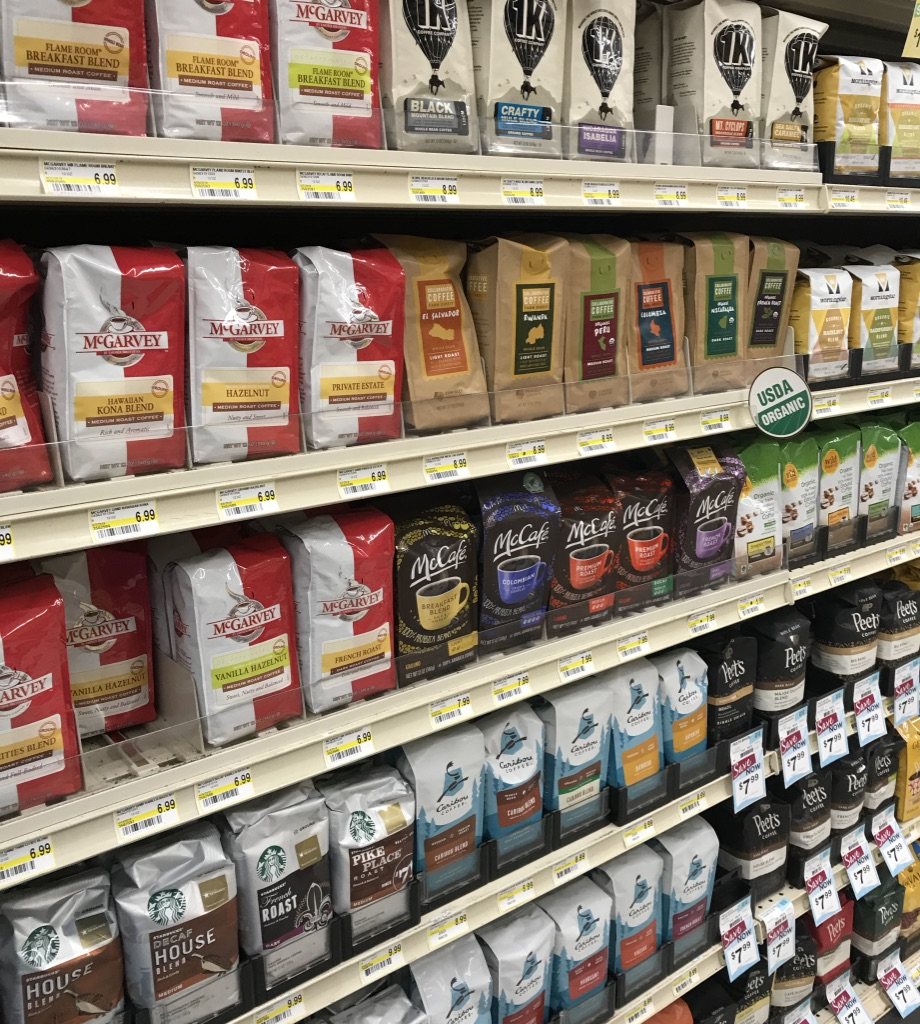
Thirteen Michigan roasters publish a price and a bag size. Converted to 12 oz:
| Group | Price per 12 oz | Who |
|---|---|---|
| Grocery-adjacent and flavoured | $14–$16 | The Fresh Grinds (Lansing) $13.99; Schuil $14.99; Paramount $15.00; Ferris $15.95 |
| Specialty middle | $17–$20 | Higher Grounds $17; Rust Belt $18; Owl Eye $18.25; Uncommon $18.50; Stovetop $19.20; Foster (Owosso) $19.50; Great Lakes $20 |
| Small bags of single-origin coffee | over $2 an ounce | Madcap, 8 oz at $23 |
The median is $18.00, or $1.50 an ounce. Without the one 8-oz specialist the range is $13.99 to $20.00.
Two details matter for a stall. The only roaster confirmed selling at a Lansing-area market is the cheapest on the list, at $13.99. And the Bureau of Labor Statistics put supermarket ground coffee at $9.30 a pound in August 2026, up 47% in two years; that is $6.97 for 12 oz. A local bag at $17 is about two and a half times the grocery price, and the roast date on the label is the reason for it.
Bigger bags. Two-pound bags run $40 to $48 at the three roasters that sell them, a discount of 0 to 22% per ounce. Sample bags of 2.5 to 4 oz exist too, at $4 to $8.
Wholesale. One roaster publishes its wholesale list: Foster sells a 12 oz bag to shops at $13.50 against $19.50 retail, 69% of the retail price. Cottage food cannot be wholesaled, so that channel opens only with a licensed kitchen.
What a cup costs
The only café menu read first-hand is Ponder Coffee in Mount Pleasant:
| Drink | Price |
|---|---|
| Drip, 12 oz / 16 oz | $2.35 / $2.70 |
| Pour-over | $3.45 |
| Latte | $4.00 |
| Café Miel (latte with honey) | $4.25 |
Other reference points are weaker, from menu aggregators and price-tracking sites: cold brew $4.15 to $4.25 at two mid-Michigan cafés; a Ludington latte at $5.00; Biggby brewed coffee about $2 and a latte about $4.60; Starbucks brewed coffee $2.65 to $3.25 and a latte about $5. The national median for a cup of drip coffee on one restaurant payment platform was $3.65 in February 2026.
For Vietnamese coffee there are two prices in the whole state, both second-hand: $4.75 and up at a café in Alma, and $7 for both iced coffee and egg coffee at a Vietnamese café near Detroit. Nobody sells either at a market in this area, as far as could be found. That is a thin basis for a price and a good reason to have the drink.
Cookies, scones and jam
No bakery, café or market vendor in the area publishes the price of a single cookie or scone. The figures below rest on a national pricing guide for market bakers, which is one blog’s formula: cookies $3.00 to $4.50, scones $5 to $7, muffins $4.50 to $6. The local floor is a doughnut at $2.00 and a fritter at $2.50 at a well-known bakery in Clare.
Jam is better documented. Michigan makers sell an 8 oz jar at $10 and at $11 to $13, and an 11 oz jar at $12.99.
Who the customers are
American Community Survey, 2020–2024 (as tabulated by Census Reporter):
| County | Population | Median household income | Median age | Bachelor’s or higher |
|---|---|---|---|---|
| Ingham | 283,913 | $65,526 | 33.3 | 41% |
| Clinton | 79,626 | $88,210 | 41.8 | 35% |
| Eaton | 109,130 | $79,597 | 41.4 | 31% |
| Shiawassee | 67,991 | $67,404 | 43.2 | 20% |
| Gratiot | 41,385 | $63,556 | 39.6 | 19% |
| Isabella | 64,565 | $55,237 | 30.1 | 31% |
| Midland | 83,757 | $77,705 | 41.8 | 37% |
| Montcalm | 67,816 | $67,344 | 40.4 | 16% |
| Mecosta | 41,242 | $60,951 | 40.0 | 23% |
| Wexford | 34,077 | $61,085 | 42.2 | 21% |
| Mason | 29,207 | $64,748 | 47.3 | 27% |
| Manistee | 25,350 | $63,516 | 50.3 | 25% |
| Michigan | 10,077,761 | $72,875 | 40.2 | 32% |
| United States | $80,734 | 38.9 | 36% |
Only one of the twelve counties is above the national median income, and most sit between $55,000 and $68,000. The two with universities, Ingham and Isabella, are young and well-schooled but not well-off, and their students are mostly away during the summer market season. The lakeshore counties are the oldest.
The lakeshore is a different market in summer. One housing unit in five in Mason County, and more than one in four in Manistee County, is a seasonal home, against one in eighteen statewide. Ludington State Park recorded about 950,000 visitors in 2021. For eighteen Fridays a year the Ludington market sells to people on holiday.
What a shopper spends. The one measured figure is from Minnesota, not Michigan: University of Minnesota Extension surveyed 3,773 market visitors in 2023 and found an average of $24.27 a visit, with 42% spending $11 to $25 and only 4% saying they came mainly to eat. An $18 bag of coffee is most of a typical shopper’s budget for the trip. A $4 cup is not.
Who drinks coffee. The National Coffee Association’s June 2026 survey: 66% of American adults had coffee the day before, 48% had a specialty coffee, and among those coffee drinkers, in summer, 71% had it hot and 21% cold.
Hot or iced: the weather
NOAA’s 1991–2020 normals:
| May | June | July | August | September | October | |
|---|---|---|---|---|---|---|
| Lansing, normal high / low (°F) | 69 / 48 | 79 / 57 | 83 / 61 | 81 / 60 | 74 / 52 | 61 / 41 |
| Ludington, normal high / low (°F) | 67 / 43 | 76 / 52 | 79 / 58 | 78 / 56 | 71 / 50 | 57 / 40 |
A Saturday market that opens at 8 in the morning starts near the day’s low, which is hot-coffee weather even in July. The weekday afternoon markets run through the day’s high, 75 to 83 °F from June to August, and those are the ones where iced drinks carry the cup trade. May and October are hot-drink months everywhere.
A starting price list
Built only from the figures above. The middle number is the target; the others are the low and the high.
| Item | Lansing area | Small-town mid-Michigan | Ludington in season |
|---|---|---|---|
| 12 oz bag, house coffee | $15 / $17 / $20 | $14 / $16 / $18 | $16 / $18 / $22 |
| 2 lb bag | $38 / $42 / $46 | $34 / $38 / $44 | $40 / $44 / $48 |
| Tasting sample | free | free | free |
| Pour-over, 12 oz | $3.50 / $4.00 / $5.00 | $3.00 / $3.50 / $4.00 | $3.50 / $4.00 / $5.00 |
| French press, 12 oz | $3.00 / $3.50 / $4.00 | $2.50 / $3.00 / $3.50 | $3.00 / $3.50 / $4.00 |
| Cà phê sữa đá (kah fay shoo-uh dah · [kaː˨˩ fej˧˧ ʂɨə˨˩˦ ʔɗaː˦˥]) | $5.00 / $5.50 / $6.50 | $4.50 / $5.00 / $5.50 | $5.00 / $6.00 / $7.00 |
| Egg coffee | $5.50 / $6.50 / $7.00 | $5.00 / $6.00 / $6.50 | $6.00 / $6.50 / $7.00 |
| Iced coffee, 16 oz | $3.50 / $4.00 / $4.50 | $3.00 / $3.50 / $4.00 | $3.50 / $4.00 / $5.00 |
| Honey-and-milk coffee | $4.50 / $5.00 / $5.50 | $4.00 / $4.50 / $5.00 | $4.50 / $5.00 / $6.00 |
| Extra honey, flavour, larger size | $0.50 | $0.50 | $0.50 |
| Cookie | $3.00 / $3.50 / $4.00 | $2.50 / $3.00 / $3.50 | $3.00 / $3.50 / $4.50 |
| Scone | $4.00 / $4.50 / $5.50 | $3.50 / $4.00 / $5.00 | $4.00 / $5.00 / $6.00 |
| Coffee and a pastry together | $6.00 / $6.50 / $7.50 | $5.00 / $5.50 / $6.50 | $6.00 / $6.50 / $8.00 |
| Jam, 8 oz | $8 / $9 / $11 | $7 / $8 / $10 | $9 / $10 / $12 |
The bag prices rest on thirteen published prices and are the firmest numbers here. The pour-over and honey-coffee prices rest on one café menu. The Vietnamese coffee, cookie and scone prices rest on very little and should be treated as a first guess to be corrected after a few markets.
Three checks on the list:
- Against the shopper’s wallet. A $17 bag and a $4 cup come to $21, inside the band where 42% of market visits fall.
- Against the stall fee. A $30 day fee is two bags or eight cups.
- Against a second bag size. An 8 oz bag at about $12 keeps the same price per ounce and is an easier first purchase than $17.
What is known about how these stalls do
Nothing from Michigan, and nothing measured. The accounts that give numbers:
- 517 Coffee Company, Lansing, began in 2014 roasting at home and selling at farmers markets. Its first shop opened in 2021. That is seven years from market table to shop.
- A South Carolina roaster packs about 20 bags and 15 litres of cold brew for each week’s market, and makes about three-quarters of its profit there.
- Roasters on a 2015 forum reported first-year totals of 350 to 600 lb, and one averaged about $250 for a five-hour market.
- A beekeeper in Ohio who added a roastery sells 12 oz bags at $20 alongside honey; by its own account, “coffee was a natural add-on.”
No Michigan business was found that keeps bees and roasts coffee.
Sources
- Each market’s own vendor rules or application for 2025–26 (Meridian Township, East Lansing, Holt, South Lansing, DeWitt, Owosso, Mount Pleasant, Ithaca, Big Rapids, Ludington, Pentwater, Ann Arbor); Midland from its published rules.
- For the small-town table: Bath Charter Township’s market policy (updated March 2026); the City of Ovid’s market page and application; the Laingsburg Business Community Association’s vendor page; Downtown St. Johns’s events page; Broad Street Events’ 2024 rules for Chesaning.
- Shiawassee County Health Department, fee schedule effective 1 January 2026; Mid-Michigan District Health Department, temporary food fee memo (revised October 2024).
- Each roaster’s own online store, read 2 October 2026.
- Ponder Coffee Co. menu; menu aggregators and price-tracking sites for the other cafés and the chains (weak sources).
- US Census Bureau, American Community Survey 2020–2024, tables B01003, B19013, B01002, B15003, B25001, B25004, via Census Reporter.
- Bureau of Labor Statistics, average price series APU0000717311.
- National Coffee Association, National Coffee Data Trends, Fall 2026 release.
- University of Minnesota Extension, FM360 2023 visitor metrics.
- Michigan Farmers Market Association, Census of Michigan Farmers Markets (2019 data).
- NOAA NCEI, U.S. Monthly Climate Normals 1991–2020, Lansing and Ludington stations.
- WITL (517 Coffee), Upstate Business Journal (South Carolina roaster), CoffeeForums (2015), and an equipment maker’s customer story (Ohio beekeeper-roaster).
Comments (0)