Starting a Coffee Business · 11 of 20
Iced Coffee and Ice
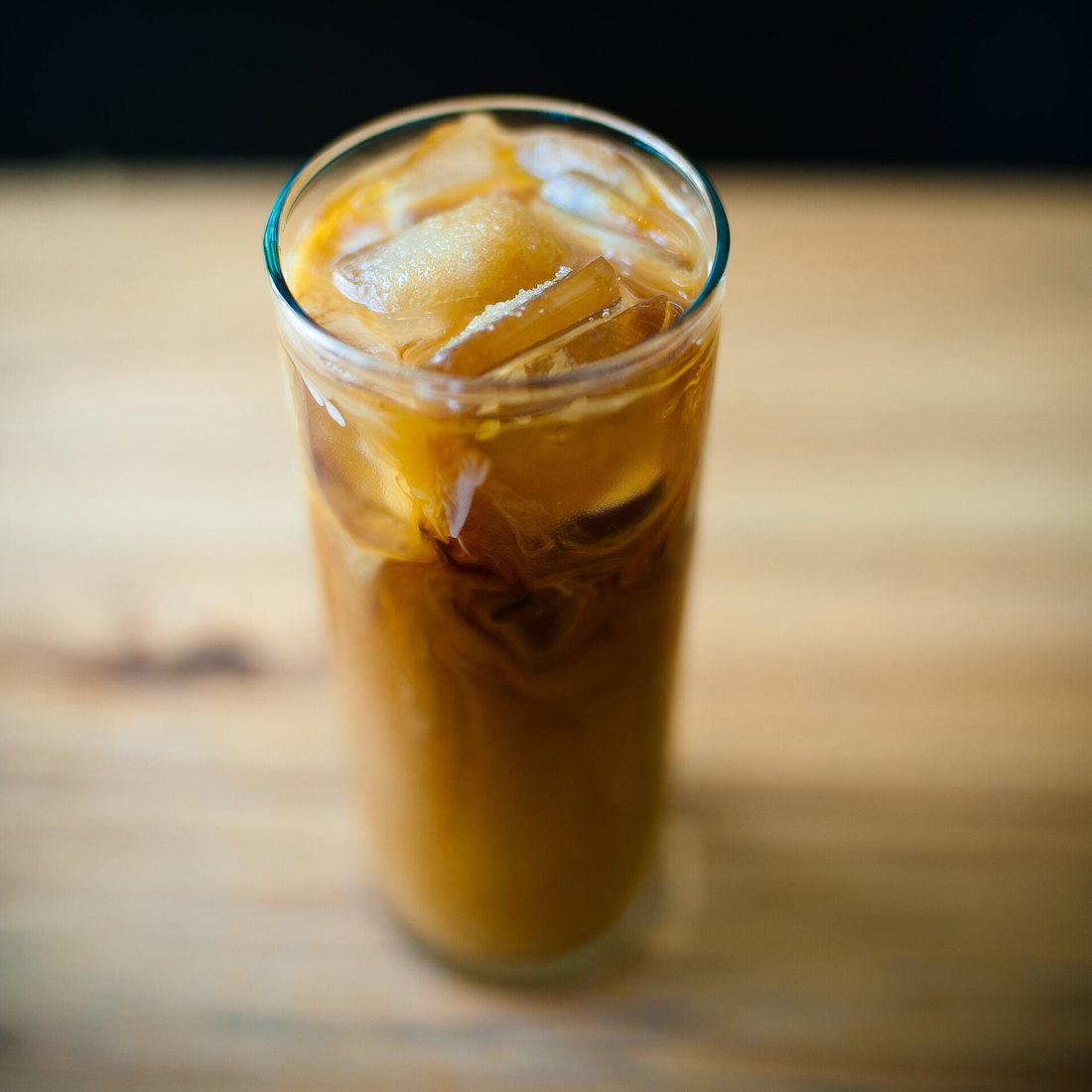
The afternoon markets run through the hottest part of a Michigan summer day, and iced coffee is what sells there. My first thought was to make my own ice, and to make it special: big clear cubes or spheres. The research changed that plan in two ways. Michigan does not allow ice made at home in drinks sold from a licensed booth. And a big cube only does what it promises in coffee that is already cold.
The rule on ice
Ice is a food under the Food Code, and the cottage food law excludes “home-produced ice products” by name. MDARD’s guidance for temporary food booths says:
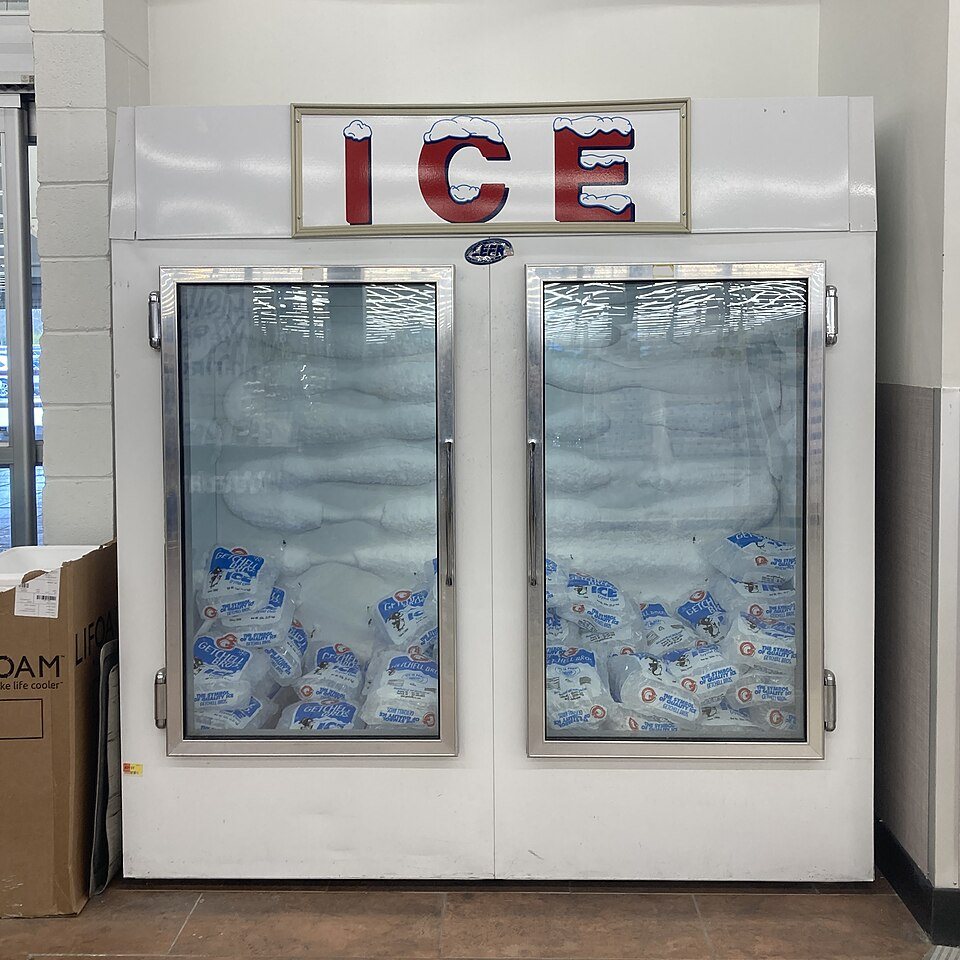
“Ice must be from an approved source. For most TFEs this means commercially bagged ice.”
So drink ice is either bought in sealed bags, or made in an ice machine or freezer inside a licensed kitchen. The same guidance separates drink ice from cooling ice: ice that has had milk cartons or bottles sitting in it “may not be used as food.”
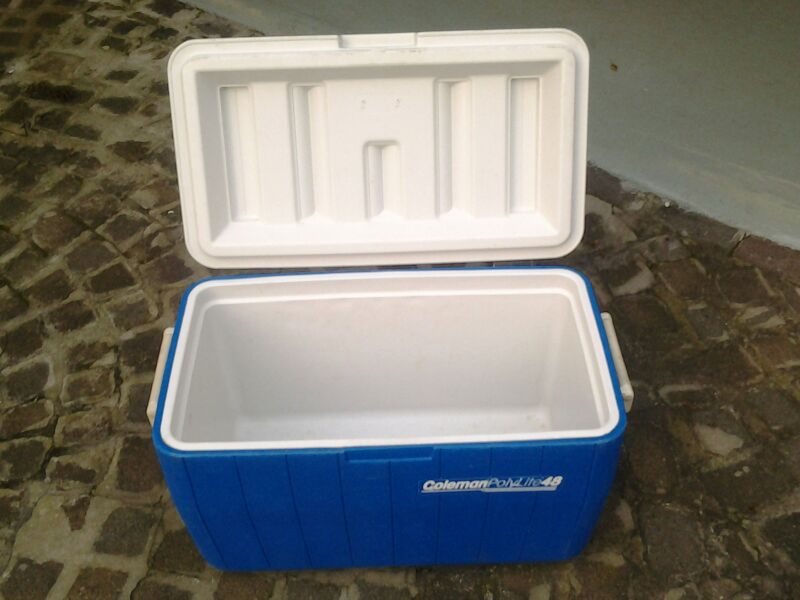
At the stall that means two coolers:
- Cooler A, drained: bagged ice for drinks only, with a handled scoop.
- Cooler B: ice packed around the condensed milk, milk, eggs and syrups, with a thermometer, at 41 °F or below.
How much ice, and what it costs
Food-service rules of thumb put a 12 to 16 oz iced drink at half a pound to 0.6 lb of ice. Forty iced drinks need 20 to 24 lb for serving. Flash-brewed coffee (below) needs another 130 g per drink for the brewing, about 11½ lb for forty. Call it two 20 lb bags, plus some loss to melting.
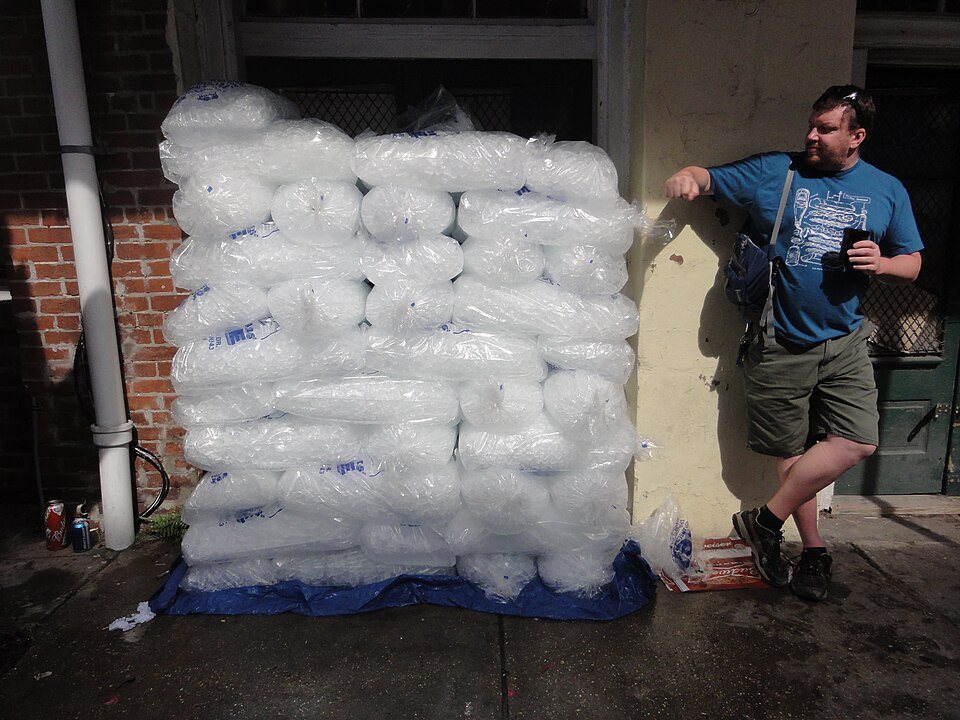
A 20 lb bag is about $5.50, so the ice in a drink costs about 15 cents.
A good rotomolded cooler is rated to hold ice for days with the lid shut. Nobody has published a test of the stall’s real case, a lid opened every few minutes for six hours at 85 °F. A market day is well inside the cooler’s capacity; the loss is to the lid.
Three ways to make it
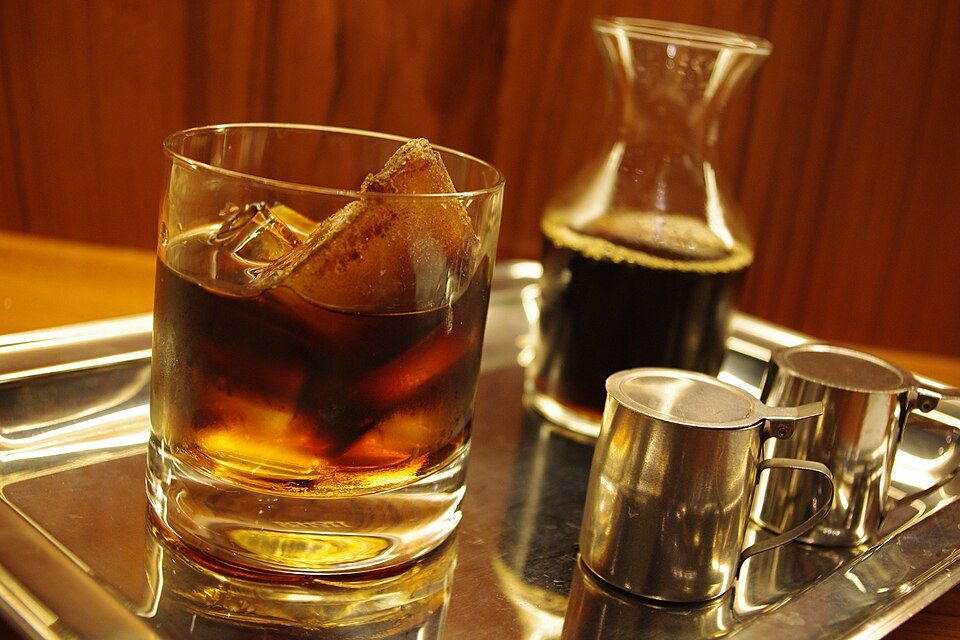
Flash brew: hot coffee brewed straight onto ice
Brew a pour-over at double strength directly onto ice. The usual recipe is a total water ratio of about 1 to 15 (Ratios), split 60% hot water and 40% ice: for example 23 g of coffee, 220 g of hot water and 130 g of ice.
The arithmetic matters here. Coffee leaving the dripper at about 185 °F has more than enough heat to melt all 130 g, and the mixture comes out at about 75 °F: room temperature, with no ice left. The ice in the recipe is dilution water that happens to cool. The drink then has to be poured over fresh ice in the cup. Budget both.
Why it is the right method for a market:
- It is brewed at the stall, so nothing is made at home.
- It tastes like the coffee: bright and aromatic, where cold brew is muted.
- It uses less hot water than a hot cup, because 40% of the water is never heated: about 21 Wh per drink.
It takes as long as a pour-over. On a hot afternoon, flash-brew a litre at a time into a clean airpot or pitcher kept in the cooler, and serve from that.
Cold brew concentrate
Coarse coffee steeped in cold water for 8 to 24 hours. Toddy’s own recipe is 12 oz of coffee to 64 fl oz of water, diluted one part concentrate to two parts water or milk to serve. It needs no hot water at the market at all, which is its attraction.
It cannot be steeped at home. Food prepared off-site for a licensed booth “must be prepared in a licensed food establishment.” It also carries more risk than hot coffee, for a plain reason given by two Canadian public-health bodies: it is never heated, so nothing kills what was on the grounds, and it is not acidic enough to protect itself (measured pH 4.9 to 6.0). A federal survey there found a quarter of 59 retail samples had high bacterial counts, though no pathogens. Michigan has published nothing on it; Wisconsin treats it as needing refrigeration, with a variance for kegged or nitro cold brew.
Cold brew is a product for the shop, where there is a licensed kitchen and a refrigerator. Until then, flash brew does the job.
After the steep: what to do with cold brew
At home, or later in the shop’s kitchen, the steep is only the first step. What comes out of the brewer is a concentrate, about three times the strength of a cup of coffee, and it is an ingredient more than a drink.
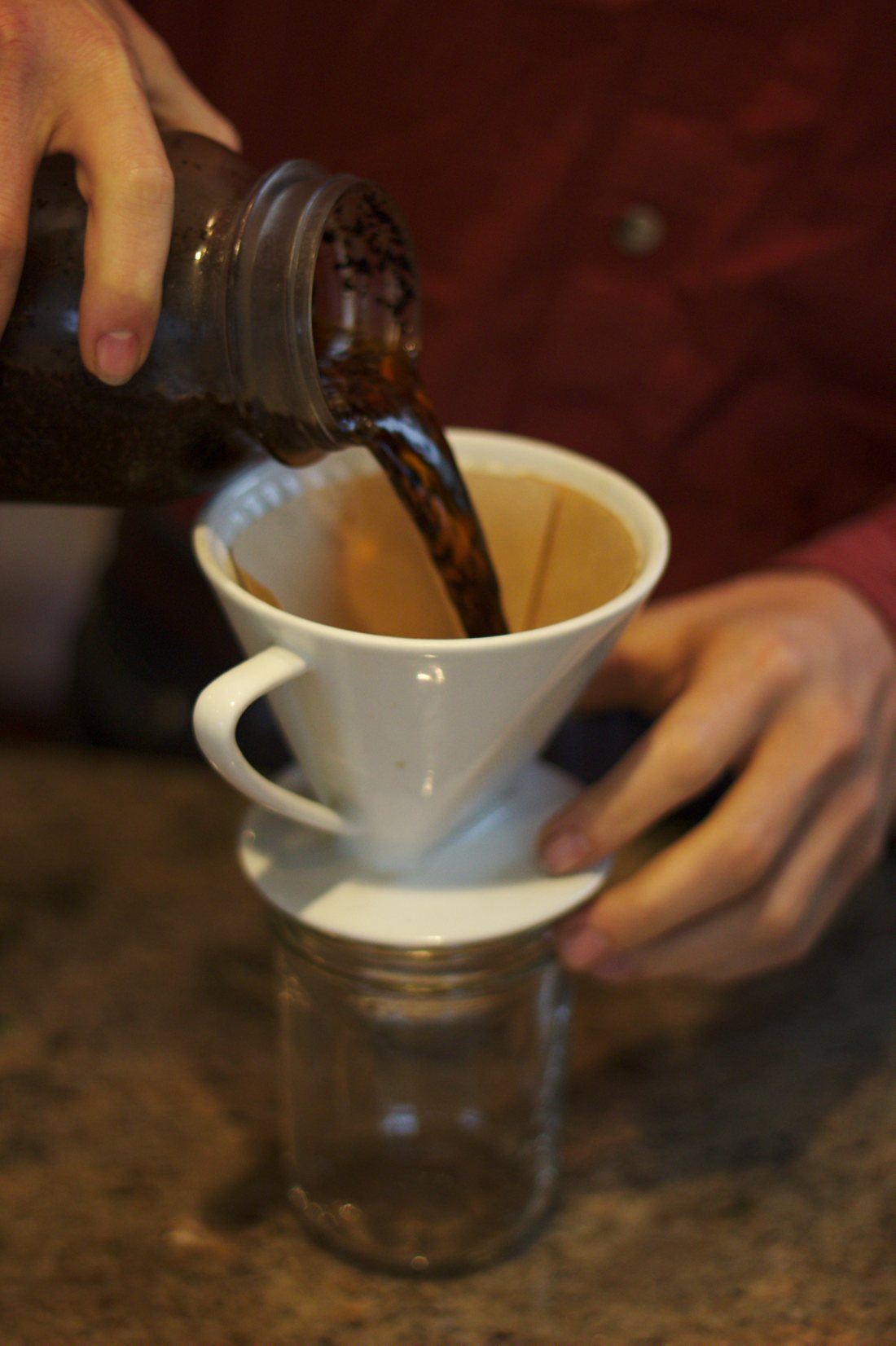
Filter it, date it, keep it cold
- Strain it well. A paper filter after the mesh takes out the fine sludge that makes cold brew turn bitter in storage.
- Put it in a clean, closed jar and write the date on it.
- Refrigerate it at once, at 41 °F or below.
Toddy says its concentrate “will stay fresh for up to 2 weeks in your refrigerator.” That is a brewer maker’s statement about taste. The only public-health figure found is ten days, and that was for sealed commercial product. Cold brew is not acidic enough to protect itself and was never heated, so a week is a sensible home limit, and it should never sit out on the counter.
Dilute it
Toddy’s starting ratio is 1 part concentrate to 2 parts water or milk. For a 12 oz drink that is 4 oz of concentrate and 8 oz of water or milk. Over ice, use a little less water, because the melting ice finishes the dilution: 4 oz of concentrate, 5 oz of water, a full cup of ice.
Taste it at 1 to 2 before deciding. Concentrate made with a different brewer or a finer grind can be stronger or weaker than Toddy’s.
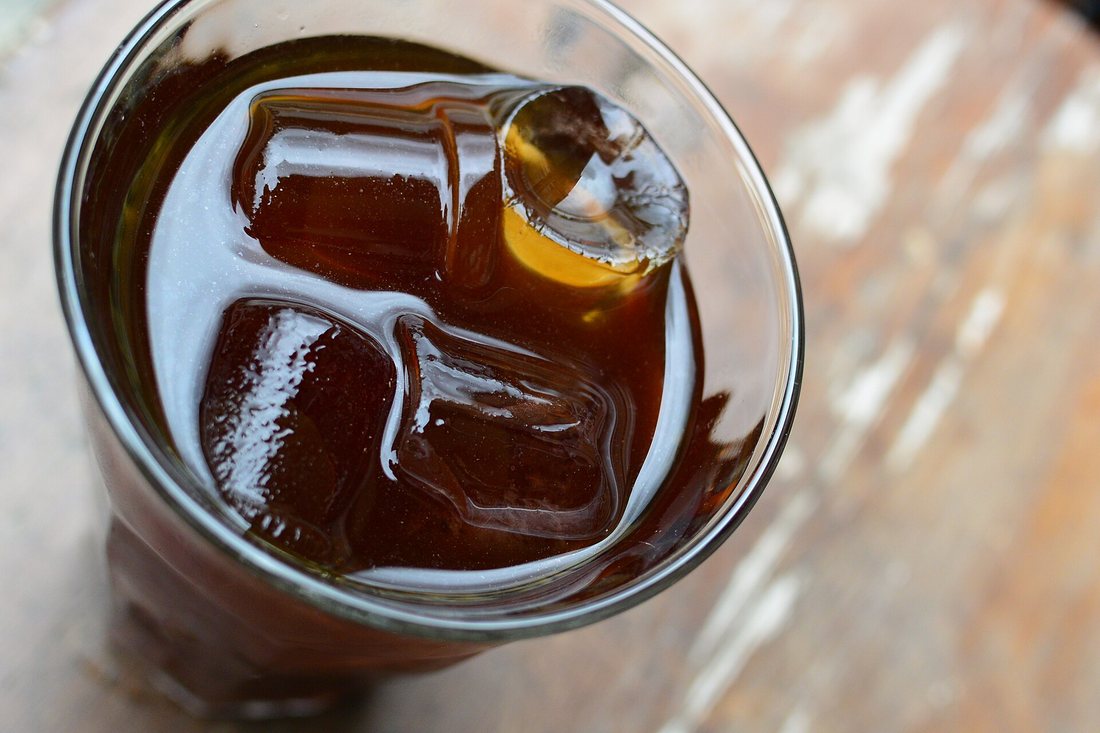
Drink it cold
| Drink | For a 12 oz cup |
|---|---|
| Cold brew, black | 4 oz concentrate, 5 oz cold water, ice |
| Cold brew with milk | 4 oz concentrate, 5 oz milk or oat milk, ice |
| Honey cold brew | 4 oz concentrate, 20 g honey syrup stirred in first, 5 oz water or milk, ice |
| With condensed milk | 4 oz concentrate, 2 tablespoons sweetened condensed milk stirred in, ice. A cold-brew cousin of cà phê sữa đá (kah fay shoo-uh dah · [kaː˨˩ fej˧˧ ʂɨə˨˩˦ ʔɗaː˦˥]). |
| With vanilla | A few drops of vanilla extract, or 20 g of vanilla syrup |
| With tonic or sparkling water | 3 oz concentrate over ice, topped with 5 oz tonic. Pour the coffee last and slowly, or it foams over. |
| On a large clear cube | Concentrate and water pre-mixed and chilled, poured over one 2-inch cube. This is the one place the big cube earns its keep: the coffee is already cold, so the cube lasts. |
Sweeteners go in as syrup. Sugar and neat honey do not dissolve in a cold drink (Honey in Coffee).
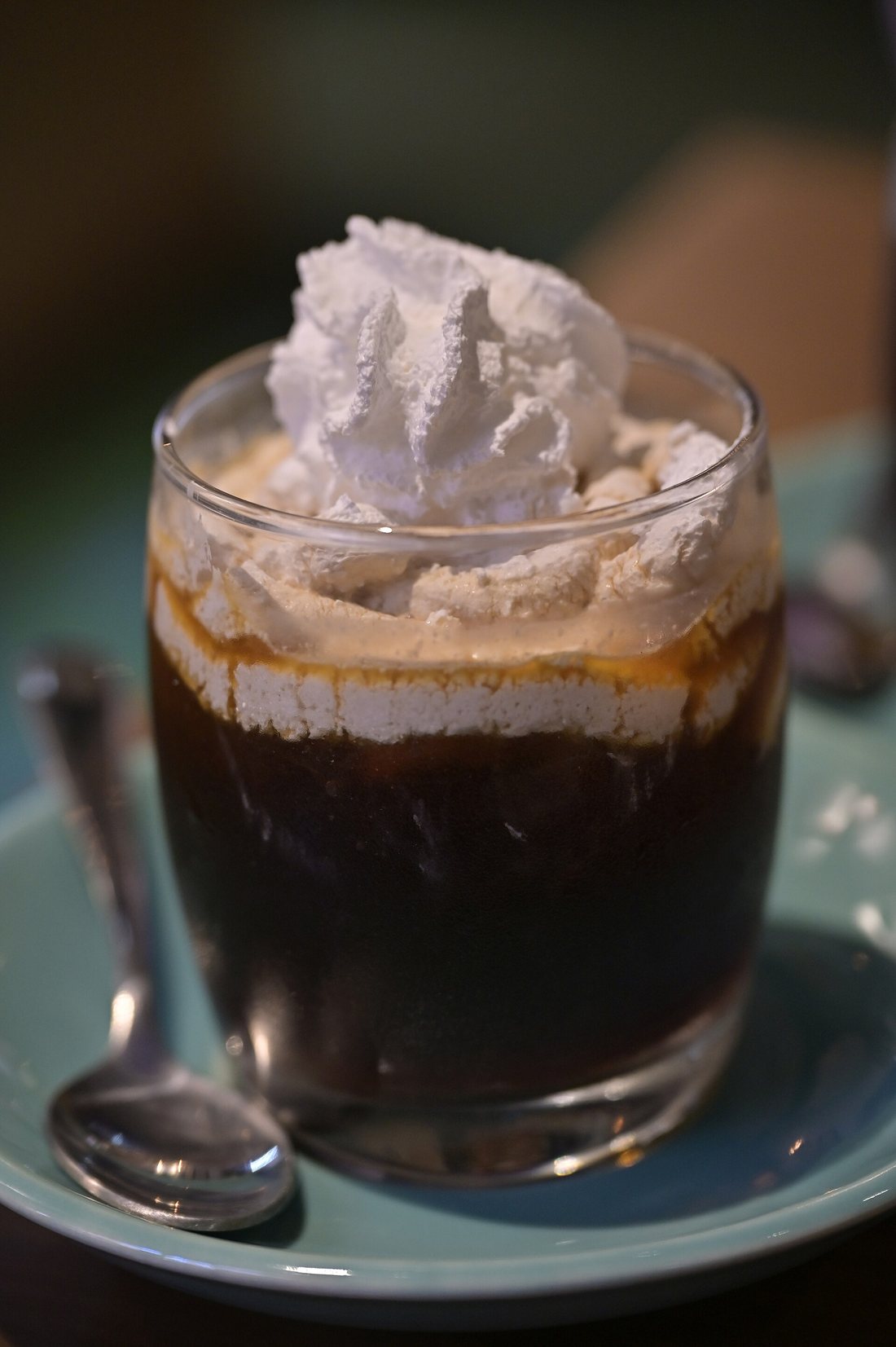
Drink it hot
Cold brew can be served hot, and Toddy’s instructions say how: “For a flavorful yet gentle cup of hot coffee, stir concentrate with steaming hot water.”
The arithmetic shows the catch. One part concentrate at fridge temperature (40 °F) and two parts water just off the boil (205 °F) come out at about 150 °F. That is warm, not hot. Three ways to do better:
- Warm the cup first with hot water, and use water at a full boil.
- Heat the diluted coffee gently in a small pan to about 160 °F and take it off. The usual advice is not to boil it, on the grounds that boiling drives off aroma and brings out bitterness; no test of that was found.
- Microwave the diluted cup for a minute or so, stirring once. It is the same gentle heating by another route.
What comes out is smooth, low in bite and less aromatic than coffee brewed hot. It suits people who find hot-brewed coffee harsh. It will not taste like a pour-over, because the compounds a hot brew extracts were never taken out of the grounds.
Use it as an ingredient
Concentrate is brewed coffee at three times the strength, with no bitterness from sitting on a hot plate, and it keeps for days. That makes it useful beyond the glass:
- Coffee ice cubes. Freeze diluted cold brew in a tray. They chill iced coffee without watering it down.
- Baking and desserts. Wherever a recipe asks for strong coffee or espresso: Coffee Ice Cream, Coffee Jelly, chocolate cake, tiramisu.
- Marinades and sauces. See Cooking with Coffee.
- Over ice cream, undiluted, as a cold affogato.
- In milk for children’s or evening drinks, made with a decaf concentrate.
Chilled hot coffee
Coffee brewed hot, cooled and carried cold is the same question: if it is made at home, it is home-prepared food. Made at the stall and chilled in the cooler, it is flash brew by another name.
Big cubes and clear ice
How clear ice is made. Water frozen in a container insulated on five sides freezes from the top down, pushing air and impurities ahead of the ice. The top is clear and the bottom is cloudy. That is called directional freezing.
| Method | Makes | Takes | Cost |
|---|---|---|---|
| A small cooler in a chest freezer | A slab to cut by hand | 24–48 hours | A cooler |
| Clearly Frozen tray | Ten 2-inch clear cubes | 18–20 hours | about $44 |
| Klaris countertop machine | Four 2-inch cubes | 8–12 hours | $549 |
Forty drinks would need four trays and four freezer slots for most of a day. The tray is the only one that scales, and all of it would have to happen in a licensed kitchen.
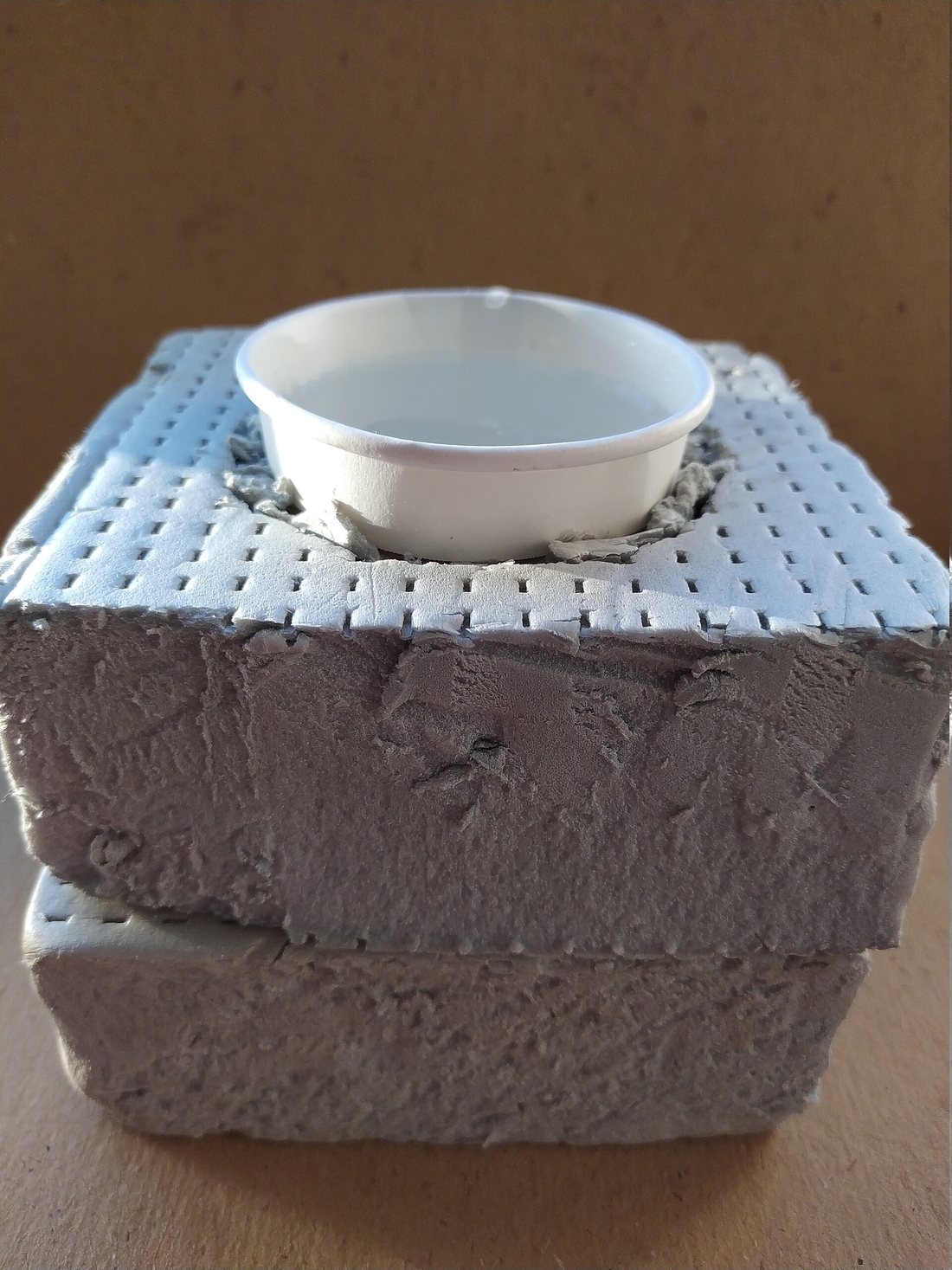
Does a big cube melt slower? Yes, per pound. A 2-inch cube has half the surface of eight 1-inch cubes of the same weight. One bartending reference puts its melting at roughly half the rate. No measurement in coffee was found. (One coffee blog prints precise-looking figures for this, with no study behind them; they are not repeated here.)
The catch is that cooling is done by weight, not shape. A 2-inch cube weighs 120 g, about 4 oz. Bringing 300 g of room-temperature flash brew down to fridge temperature melts about 75 g of it, most of the cube, in the first minutes. A big cube stays big only in coffee that is already cold when it goes in.
So large-format ice works with cold brew concentrate or with coffee chilled in the cooler first. With flash brew poured warm, it is gone before the customer reaches the next stall.
Will it fit? A 2-inch cube needs 2.83 inches of clear width across its diagonal. To-go cold cups taper toward the base, and their inside dimensions are not published. Buy one sleeve of cups and try it with a lid and a straw before buying trays.
Is it worth it? For the market stall, on the evidence, no: the ice cannot be made at home, the tray capacity is small, and with flash brew the cube does not last. For the shop, with its own freezer and cold brew on tap, one large clear cube in a glass is a cheap and distinctive touch, and no coffee business could be found that is known for it.
Ideas that fit the market stall now
- Coffee poured over ice in a clear cup, so the colour shows. A clear compostable cup is about 15 cents with its lid.
- Flash brew made with half the ice in the brew and fresh ice in the cup, as above, described on the sign: “brewed hot over ice, to order.”
- Honey syrup instead of sugar, which mixes into a cold drink where honey itself will not. See Honey in Coffee.
- Cà phê sữa đá, which was designed for ice. See The Drinks.
- Coffee ice cubes, frozen strong coffee that does not dilute as it melts, are a good idea with the same two obstacles as clear ice: they are ice from a non-commercial source, and a food made off-site. They wait for the licensed kitchen.
Sources
- MDARD, “Applying for and Safely Operating a Temporary Food Establishment License” and sampling guidelines; MCL 289.1105; Michigan Modified Food Code §§ 3-202.16, 3-303.11.
- Ice quantity rules of thumb from KaTom’s food-service guides; bagged-ice prices from Meijer and Kroger listings (via search summaries).
- Flash-brew ratio from Japanese Coffee Co. and Complete Home Barista; the temperature result is an energy-balance calculation.
- Toddy, cold brew instructions.
- BC Centre for Disease Control, “Nitro cold brew coffee food safety risks” (2017); Canadian Food Inspection Agency, “Bacterial Pathogens in Cold Brewed Coffee” (2018–19); Wisconsin DATCP guidance.
- Clear ice: Klaris’s published test of the cooler method; Clearly Frozen’s product page; the half-rate melting figure is a paraphrase of Dave Arnold’s Liquid Intelligence, as reported by a blog.
- Cooler rating: RTIC product page.
Comments (0)