Coffee · 19 of 21
Hosting a Coffee Tasting
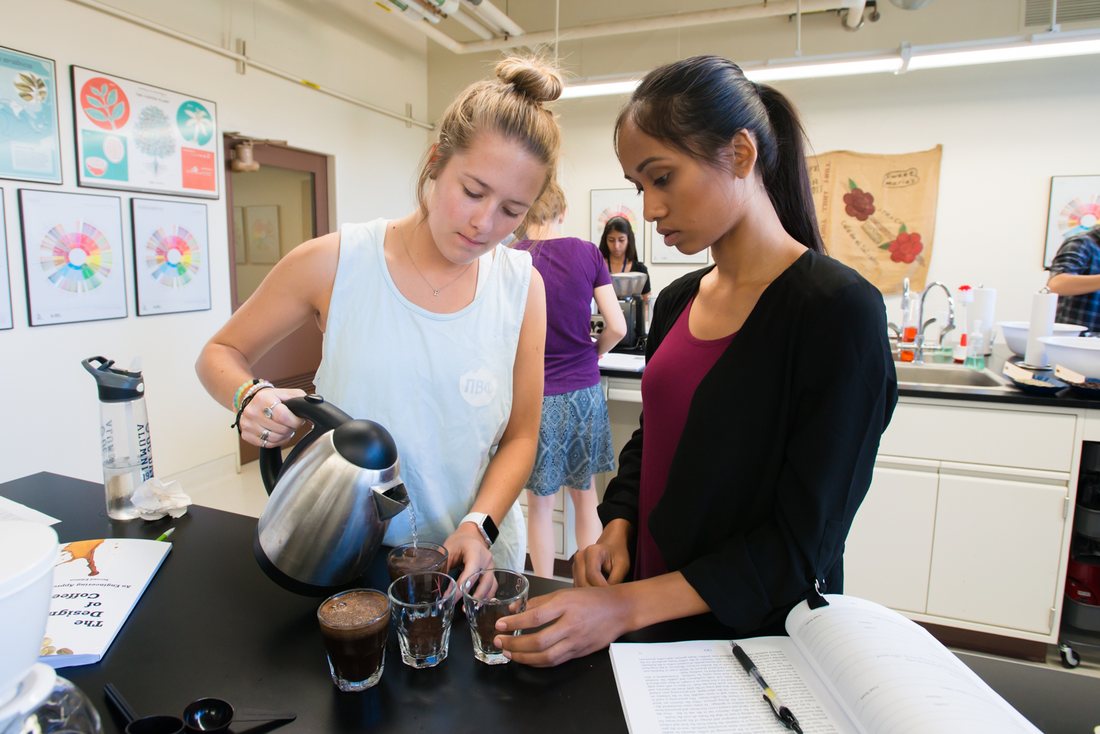
A cupping is how the trade tastes coffee, and Cupping covers how to run one. A tasting for friends, or for customers at a market or in a shop, does not have to be a cupping. It can be brewed coffee in small cups, set out so that one thing changes at a time. This page is a set of tasting plans built that way: the same coffee brewed several ways, the same coffee roasted several ways, and others, with quantities and a running order for each.
These are plans to try, not reports of tastings held. The ratios come from the published standards and are collected on Ratios; the formats are designed from them.
The one rule: change one thing
A tasting teaches something only when the cups differ in one way. Same coffee, same roast, same grinder setting, same water, and one variable. When two things change at once, nobody can say which one they are tasting.
That is why the first two tastings below are the best ones to start with. They need only one bag of coffee.
What every tasting needs
- Small cups, all the same: 3 to 4 oz. Paper hot cups are fine, and a 4 oz compostable cup costs about four cents. Number the bottoms.
- A scale and a timer.
- Water and plain crackers to clear the palate, and a dump bucket. Nobody needs to finish a cup.
- Cards: one per guest, with a row for each cup and three things to write: two or three flavor words, low / medium / high for acidity and body, and a mark from 1 to 9 for how much they liked it. Keeping “what it tastes like” apart from “how much I like it” is the idea behind the trade’s current scoring system, and it works for beginners.
- Coffee at least a day off roast, and ground just before brewing.
Pour 1½ to 2 oz a taste. Six guests and five cups each is 60 oz at most: under two litres of brewed coffee for the whole evening.
Serve in order from lightest to heaviest, and let the coffee cool a little. Flavors are easier to tell apart at warm than at hot.
Tasting 1: one coffee, brewed five ways
What it shows: how much the brewer changes the cup. People are usually surprised that it is the same coffee.
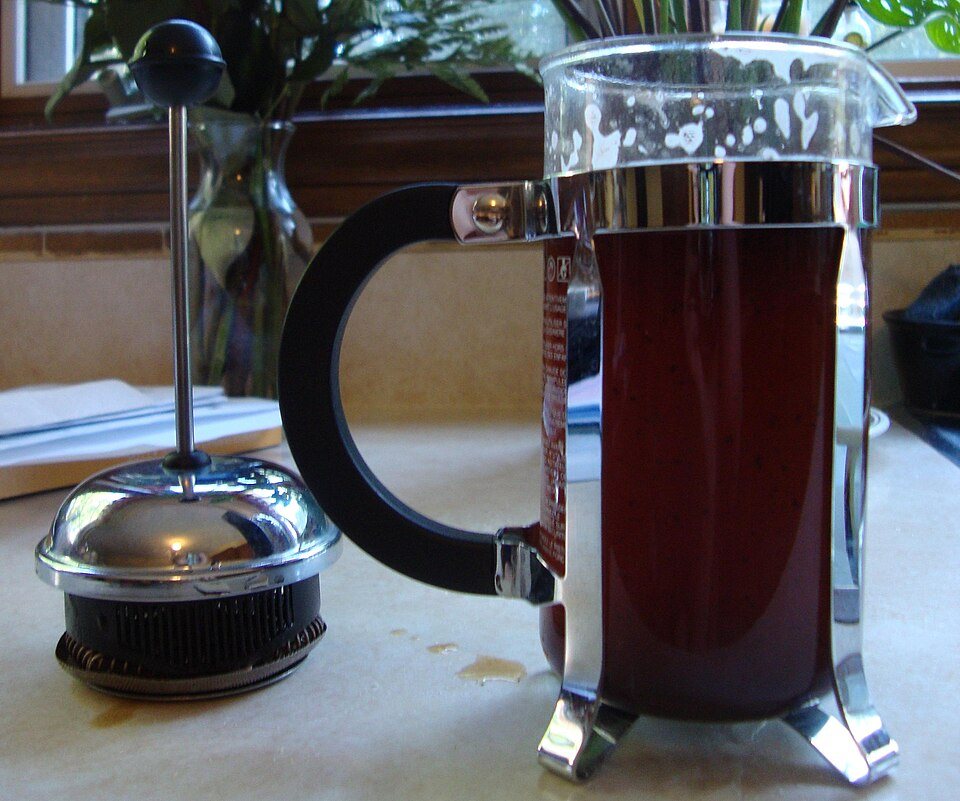
Use one medium-roast coffee. Brew each at its own usual recipe:
| Cup | Method | Coffee | Water | What to expect |
|---|---|---|---|---|
| 1 | Pour-over (V60 or Kalita) | 20 g | 320 g at 200–205 °F | Clean and bright; the most detail |
| 2 | Clever dripper or AeroPress | 20 g / 17 g | 320 g at 200 °F / 185 °F | Rounder, a little sweeter |
| 3 | French press | 30 g | 450 g just off the boil, 4 minutes | Heavy body, oils, some grit |
| 4 | Phin | 2 tablespoons, fine | Twice the volume of the coffee | Small, strong, syrupy |
| 5 | Cold brew, diluted 1 to 2 | made the day before | cold | Mellow, low in acidity, chocolatey |
Running order: brew the cold brew the day before. On the night, start the phin and the press, which need no attention, then do the pour-over and the Clever while they steep. Everything lands within about eight minutes.
Questions for the table: Which is the cleanest? Which is the heaviest? Which would you drink black, and which wants milk?
A variation: brew the same method five times with one thing changed: five grind settings, or water at 175, 185, 195, 205 °F and a full boil. This is the fastest way to learn what “sour” and “bitter” mean in coffee.
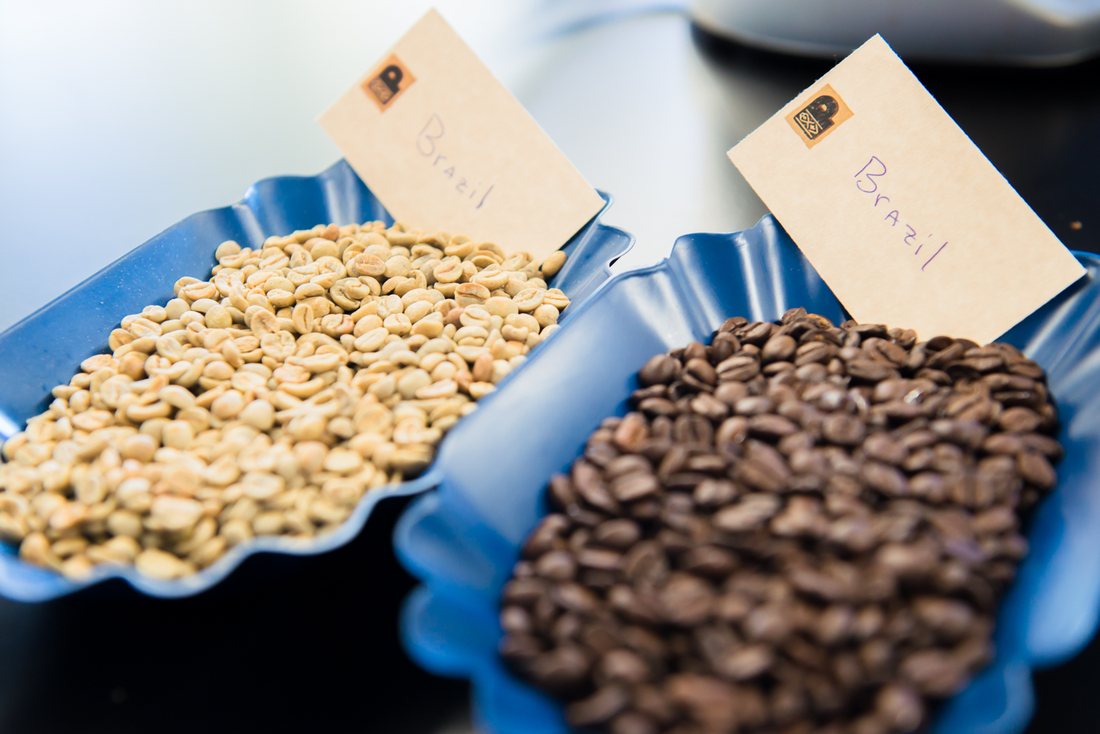
Tasting 2: one coffee, roasted five ways
What it shows: what roasting does. This is the tasting only a roaster can offer, and for a stall or a shop it is the best one there is.
Roast one green coffee, a washed Colombia or Guatemala, to five levels, a few days ahead:
| Cup | Roast | Stop the roast | Weight lost |
|---|---|---|---|
| 1 | City | as first crack ends | about 12.7% |
| 2 | City+ | 30–60 seconds later | about 13.3% |
| 3 | Full City | just before second crack | about 14.5% |
| 4 | Full City+ | at the first snaps of second crack | about 15.1% |
| 5 | French | through second crack | about 15.6% |
Then taste them as a cupping, because cupping removes the brewer from the comparison: 8.25 g of coffee in each bowl, 150 g of water at 200 °F, break the crust at four minutes, taste from a spoon as it cools. The steps are on the Cupping page. For guests, the vendor breaks the crust and ladles each coffee into the guests’ own small cups, so nobody’s spoon goes back into a shared bowl.
Put a few beans of each roast on a white saucer beside its bowl. People taste with their eyes first, and the color row makes the point before the first sip.
Questions for the table: Where does the acidity go? Where does the bitterness arrive? At which cup does it stop tasting like this coffee and start tasting like “roast”?
For the roaster: the weight-loss column is how to hit each level again. Weigh every batch in and out.
Tasting 3: one roast, several origins
What it shows: what place and process do. Three or four coffees, all roasted to the same level (City+ is the usual choice), brewed the same way.
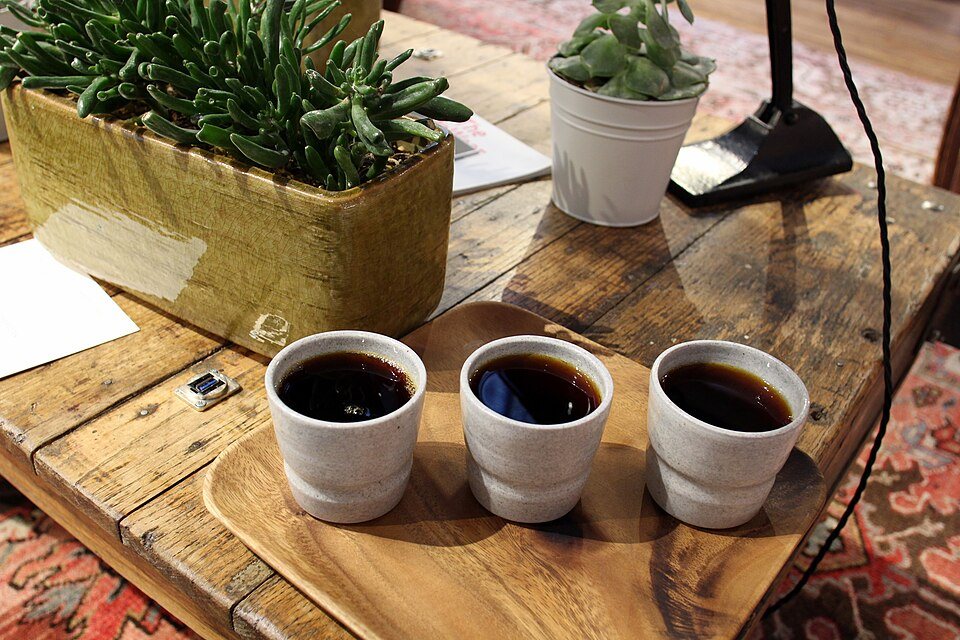
A set that shows the range: a washed Ethiopia (lemon, flowers), a washed Colombia (caramel, nuts), a Brazil natural (chocolate, low acidity), a wet-hulled Sumatra (earth, cedar, heavy body). The green coffee reference card has more.
For a stall, this is the everyday version: the coffees on the table, side by side, in three airpots.
Tasting 4: the honey flight
What it shows: what a honey does to a coffee, and which honey suits which.
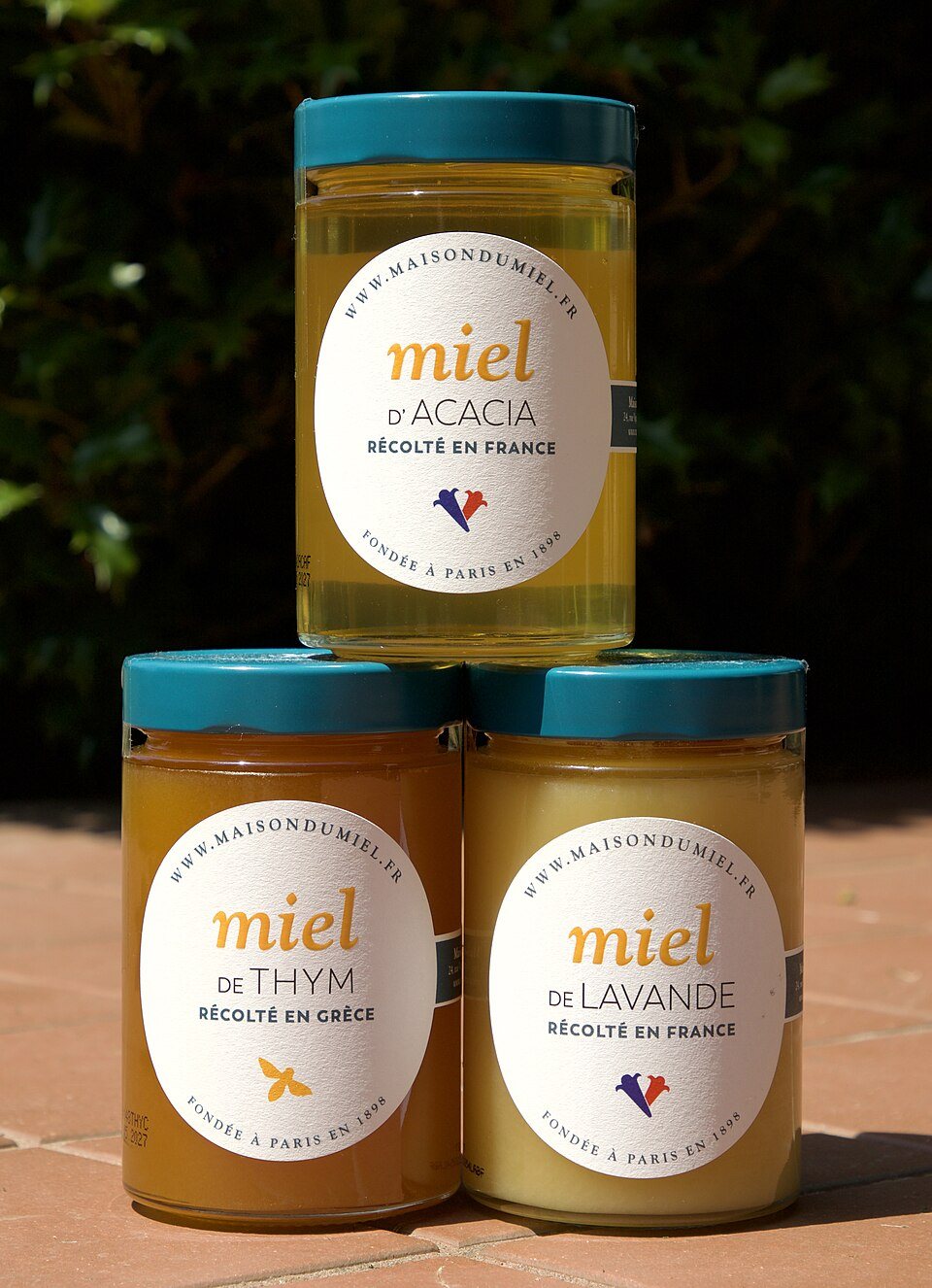
One medium-roast coffee, brewed as a batch. Four cups each:
- Black.
- With honey syrup made from a light spring honey.
- With syrup from a clover honey.
- With syrup from a dark fall honey.
Use the same weight of syrup in each: about 3 g for a 2 oz taste, of a syrup made 3 parts honey to 1 part warm water. Then repeat cups 2 to 4 with a dark roast and watch the preferences change. Honey in Coffee has the reasoning and the pairing chart.
Tasting 5: the triangle game
What it shows: how well people can actually taste a difference. It is also the most fun, and it is a real competition format.
In the Cup Tasters Championship, competitors face sets of three cups, “two cups are identical and one is different,” and must pick the odd one. At the national level it is eight sets in eight minutes; “the most correct answers in the shortest amount of time” wins.
At home: for each set, pour two cups of one coffee and one of another, shuffle them, and mark the odd cup’s base. Start with easy pairs, such as a light roast against a dark, and make them harder: two origins at one roast, then the same coffee brewed at two ratios. Four sets is plenty for a first evening. Give everyone a card to write their picks, and reveal at the end.
Tasting 6: hot, cold and iced
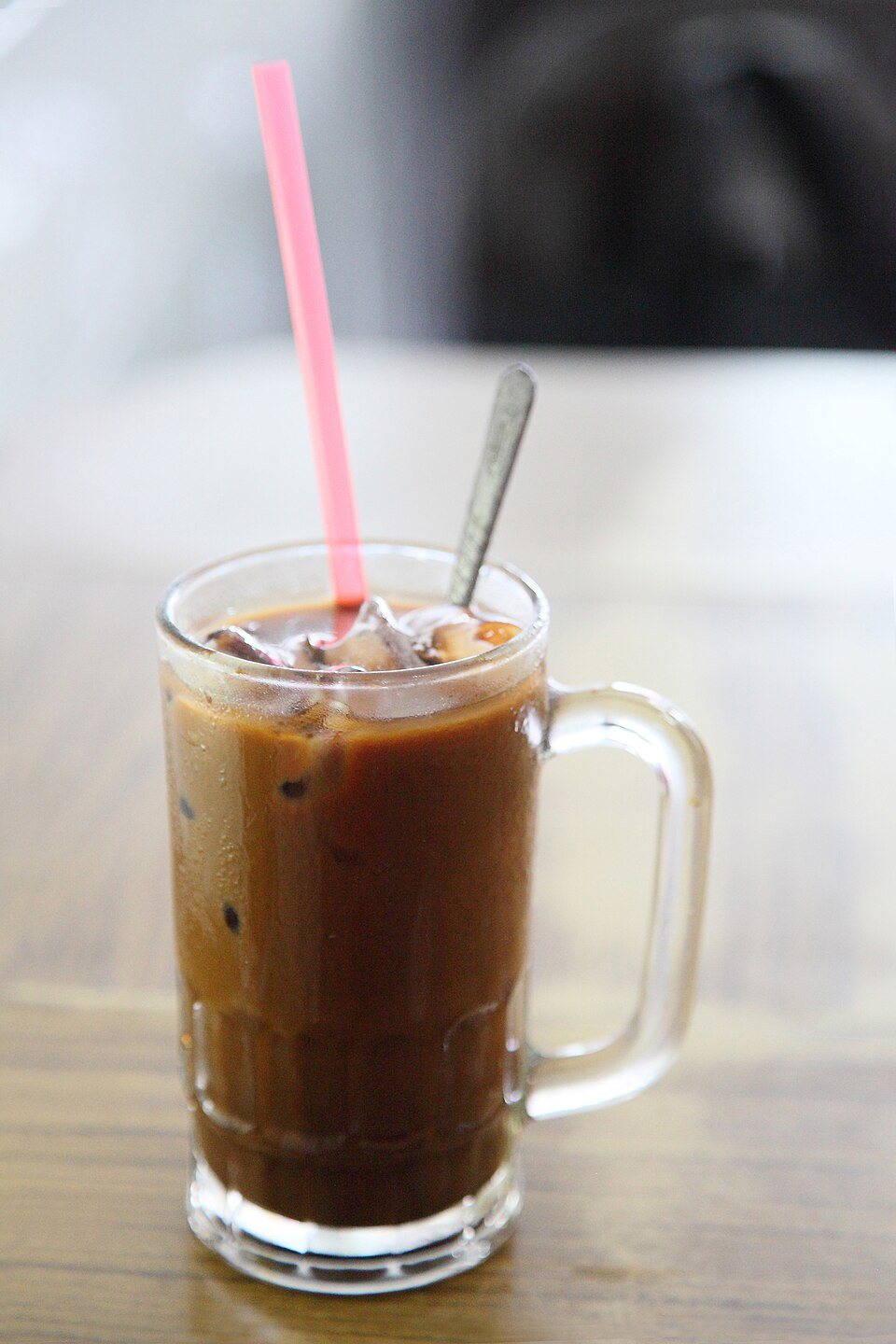
What it shows: how temperature changes the same coffee. One coffee, served hot from a pour-over, flash-brewed over ice, and as cold brew. The hot cup is the most aromatic, the flash brew keeps the brightness, and the cold brew is the smoothest. Iced Coffee and Ice has the recipes.
Tasting 7: coffee and something to eat
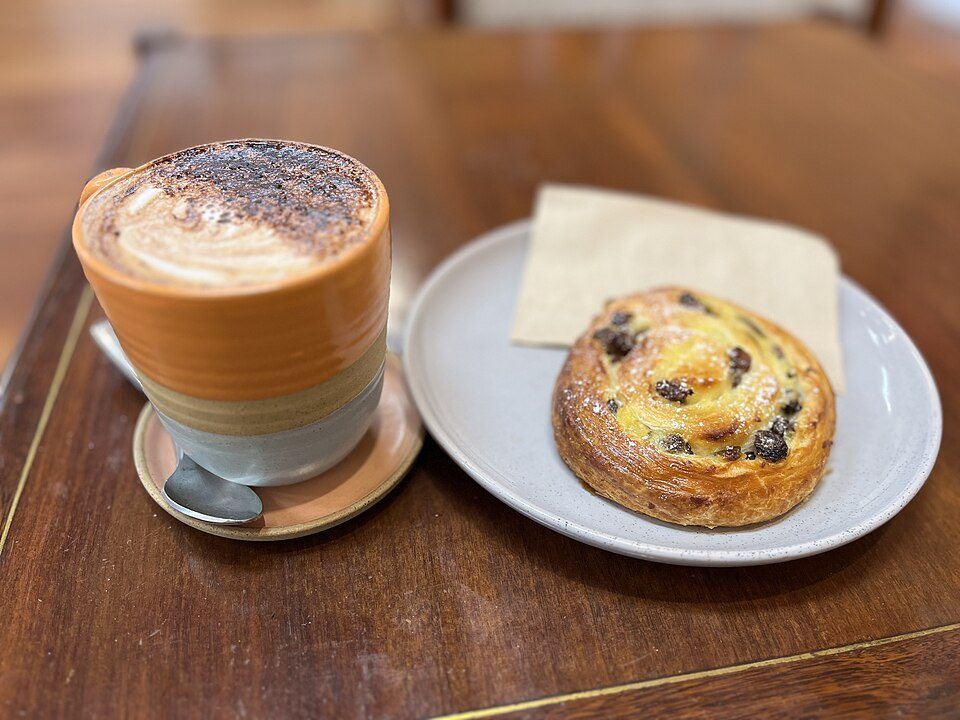
One coffee, three small bites: a piece of shortbread, a square of dark chocolate, a slice of lemon cake. Taste the coffee, take a bite, taste again. The coffee changes each time. The pairings card is the menu.
How many people, and how long
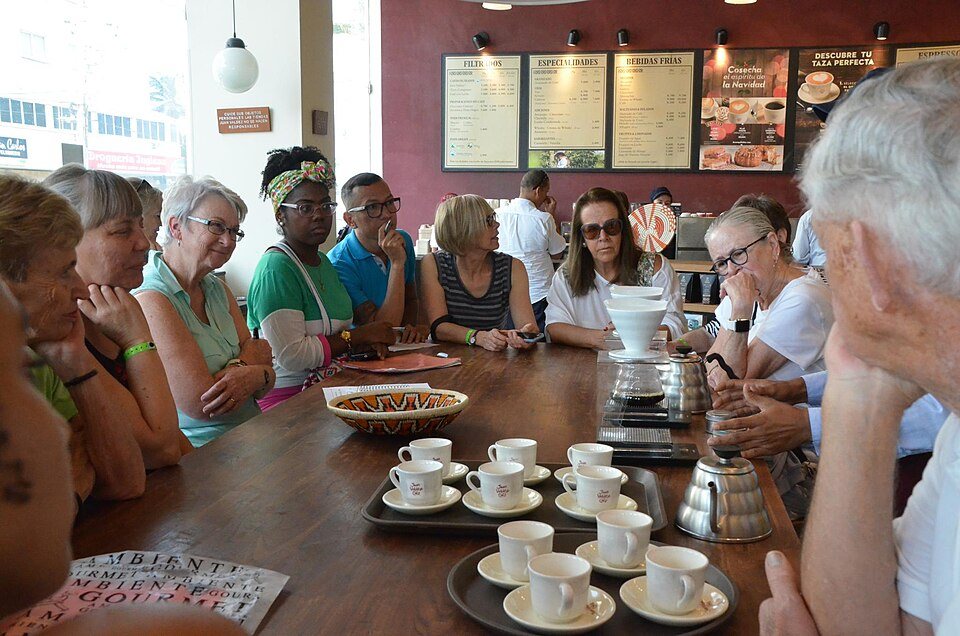
- Four to eight guests fits a kitchen table and one person brewing.
- Five cups is the most a new taster can keep straight. Three is enough for a first tasting.
- Forty-five minutes to an hour, including talk.
- Keep quiet until everyone has written something. One person saying “blueberry” makes the whole table taste blueberry.
A tasting at a market stall or in a shop
A public tasting has rules that a kitchen table does not. In Michigan, samples have to be protected from customers’ hands, served in single-use cups, with a canopy overhead and a handwashing station nearby, and whether brewed samples need a licence is not settled (The Michigan Rules). The formats that fit a stall are Tasting 3, from airpots, and a small version of Tasting 2 with three roasts.
A ticketed tasting evening is an event to hold once there is a shop: twelve seats, five cups, one roaster talking. It is also the easiest way to sell a bag to every person in the room.
Sources
- SCA Golden Cup ratio (55 g per litre) and cupping protocol (8.25 g to 150 ml, 200 °F), as quoted by secondary sources; AeroPress instructions; Toddy cold brew instructions.
- Roast levels and weight loss: Sweet Maria’s roast guides and weight-loss table.
- U.S. Cup Tasters Championship format: uscoffeechampionships.org, read 2 October 2026.
- MDARD, “Guidelines for Providing Safe Food Samples at Farmers Markets.”
- The tasting formats themselves are this page’s own design.
Comments (0)