Recipes
← Food

Japan, 1985–86

I was stationed at Marine Corps Air Station Iwakuni, and what I did with those two years is the reason this section exists. I bought a car. Most weekends I drove — and the best food I ate came from driving around southern Japan with no destination, stopping at the sea, at the docks, and asking around for somewhere to sleep. More usually than not, I was invited to stay with a family. I got to sit and eat meals with people who had very little, who had amazing food from their irori hearths, and I have said ever since that I doubt I could ever replicate the taste of food cooked that way. Writing this, I found out I was right — and why. Much of what I ate I could not name at the time, and some of it I still cannot. Where that is true, this section says so.
How I Travelled
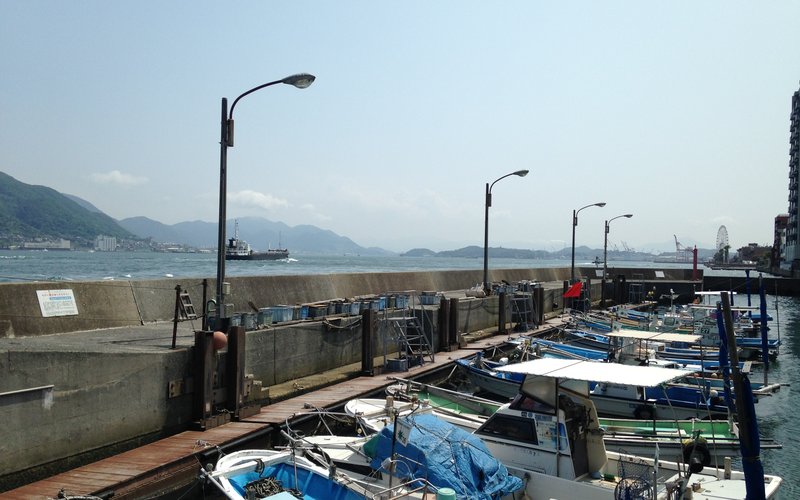
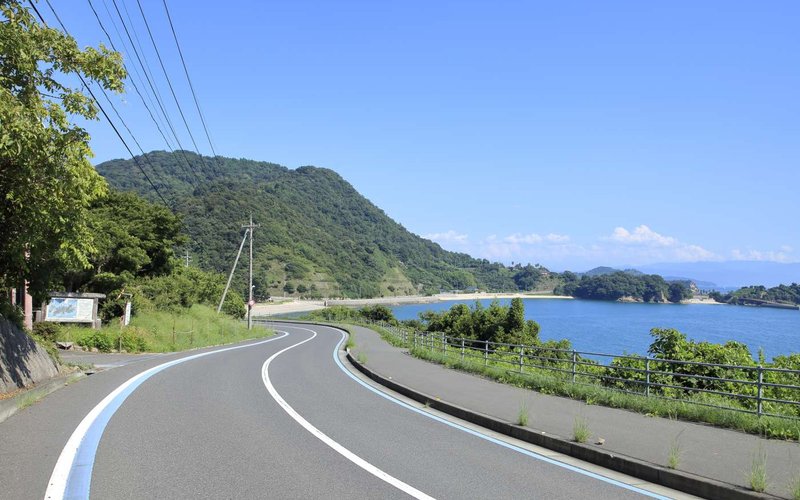
How I Travelled I bought a car and drove most weekends. The method was: drive a few hours, stop — usually at the sea, usually at the docks — then ask around for a place to stay. And more usually than not, I was invited to stay with a family. That sentence still surprises me forty years later. Explore →
The Irori
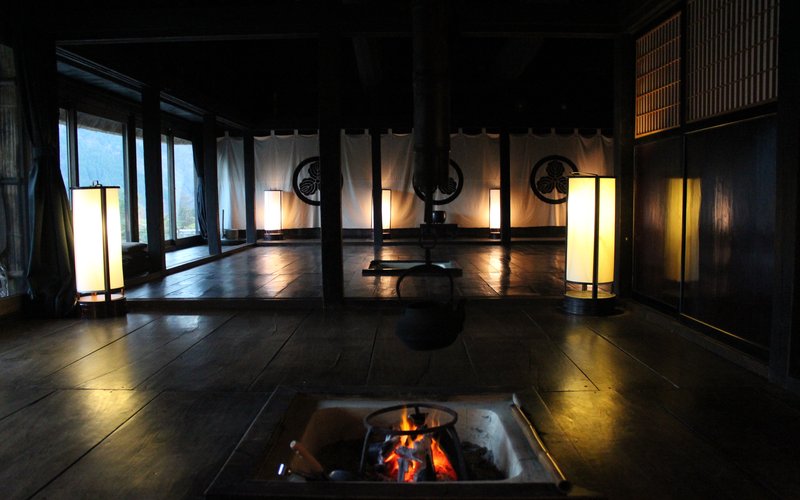
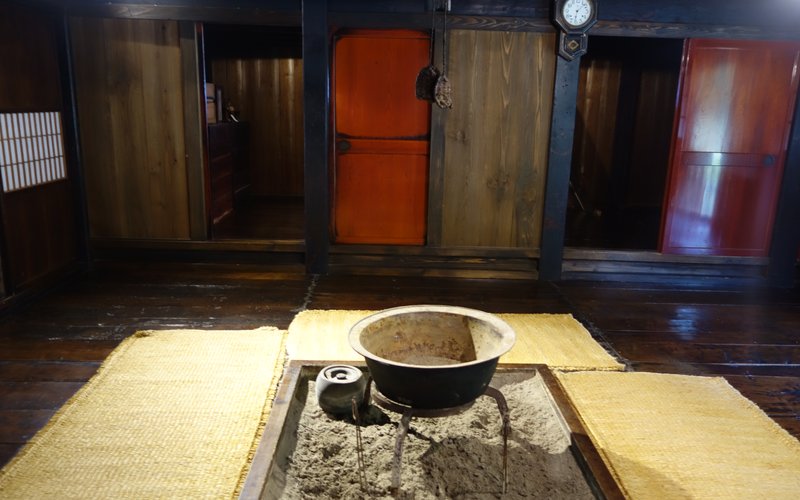
The Irori I have said for forty years that I doubt I could ever replicate that food, and I assumed it was nostalgia. It is not. An irori is not a technique, it is an environment: an open fire in a sunken ash bed, in a room with no chimney, so everything in the house is being smoked continuously. You cannot reproduce a room. Explore →
At the Hearth
At the Hearth What was actually on it — fish hanging in the smoke above, a fragrant seafood stew below, rice, tsukemono, and umeboshi every single time. Also the three things I still cannot identify after forty years, which stay unidentified rather than getting filled in with the most likely-sounding answer. Explore →
The Iwakuni Ginza
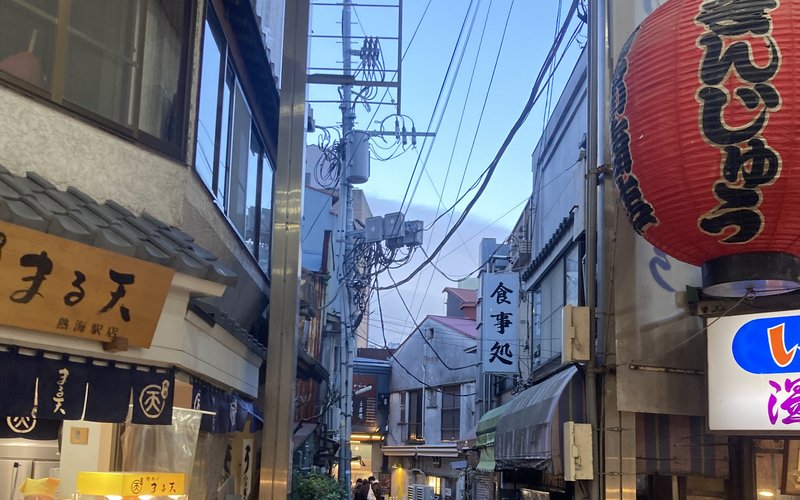
The Iwakuni Ginza It wasn't fancy as the name may imply — much of it was down alleyways with small rice-paper doors. That sounds like a contradiction and isn't: Ginza is Tokyo's most expensive district, and hundreds of ordinary local shopping streets borrowed the name. My confusion had the answer in it. Explore →
Okonomiyaki
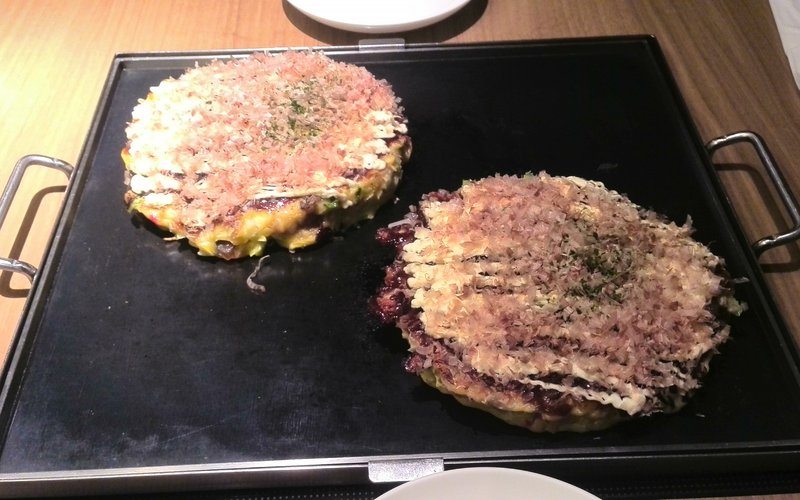
Okonomiyaki I noticed at the time that they go out for okonomiyaki and a beer on Friday nights the way we go out for pizza — so alike. The payoff is in the word: okonomi, 'as you like it', plus yaki, 'grilled'. And no, I did not learn Hiroshima-style, however much the sprouts suggest it. Explore →
Sampuru
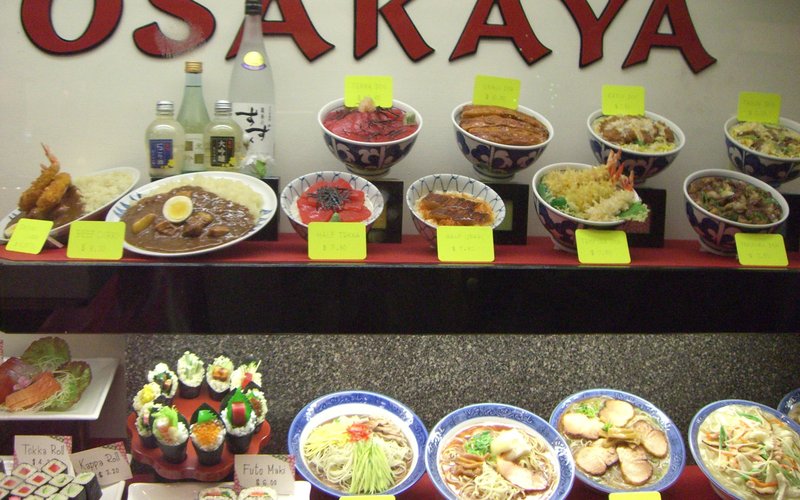
Sampuru How I ate for two years without the language: by pointing at the plastic food in the window. It turns out to be a real craft industry with an inventor, an origin story involving candle wax on a tatami mat, and a first success in 1932 — a replica of his wife's omelette. Explore →
Iwakuni
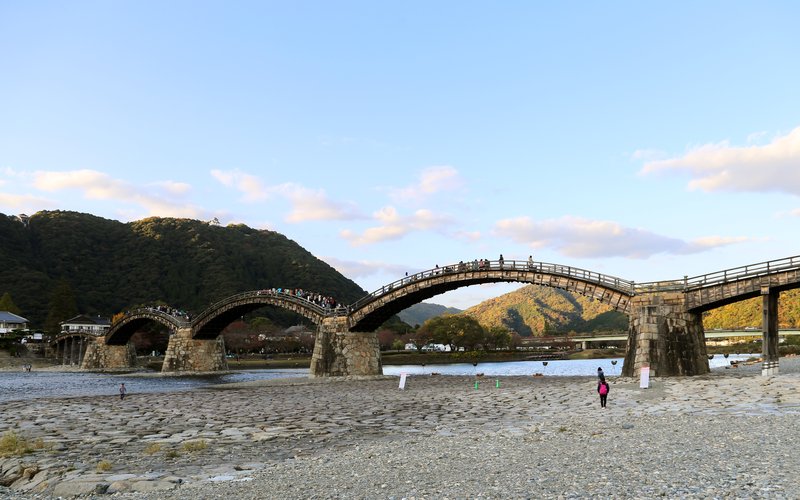
Iwakuni The town I was stationed in and mostly left at weekends. The Kintai Bridge — five wooden arches from 1673, destroyed by a typhoon and rebuilt to the original design. And the detail I love most: lotus root here has nine or eleven holes where everywhere else has seven, and the nine match the old lord's crest. Explore →
What I Ate
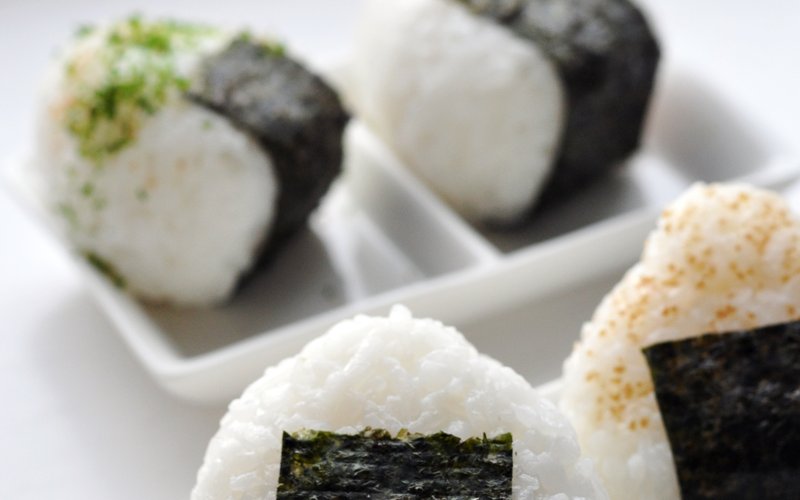
What I Ate The list, with what I have since found out about each of them — pickles, fish, sushi, soba, yakiniku, tofu. And the pattern I only noticed writing it up: nearly every one of them is a preserving technology wearing a different hat. I think this is where I learned that. Explore →
What It Changed
What It Changed What I actually took home, which was not recipes. Plus the corrections this section cost me — including the one thing I would have told you confidently and had wrong for forty years — and the three questions that stay unanswered because forty years is forty years. Explore →

Get new content

Occasional emails when something significant ships. No spam, unsubscribe anytime.