The Iwakuni Ginza
When I say I ate at the ginza in Iwakuni, anybody who knows Tokyo will picture the wrong thing entirely — and I want to head that off, because my own description of it sounds like a contradiction and isn’t.
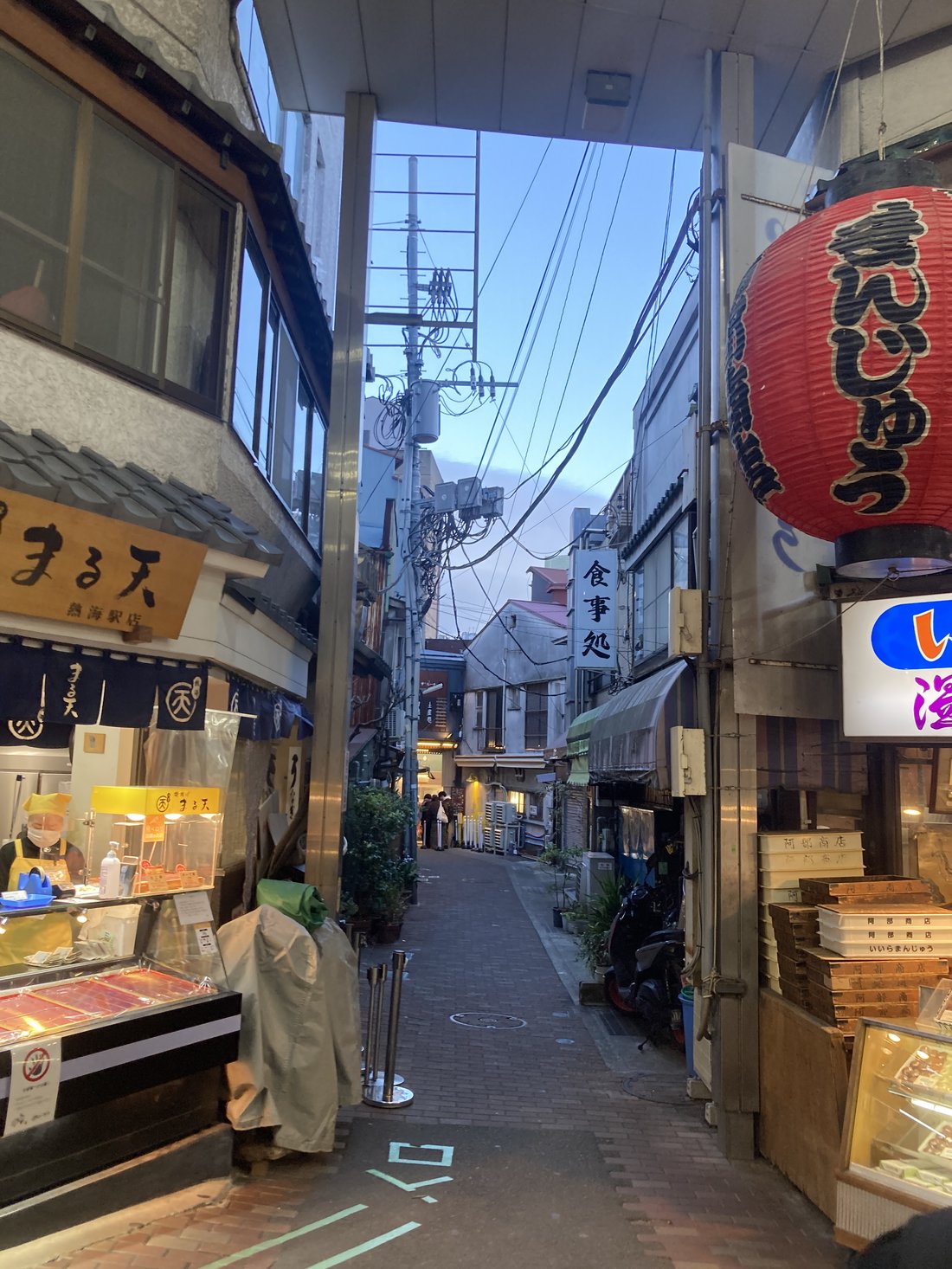
It wasn’t fancy as the name may imply.
Much of it was down alleyways with small rice paper covered doors.
What “ginza” is actually doing
Ginza is Tokyo’s most expensive shopping district — the department stores, the flagship boutiques, the address you cite to mean money.
And then hundreds of ordinary local shopping streets all over Japan borrowed the name.
That is the whole explanation, and it makes my memory make sense. A small city’s “ginza” is not claiming to be the Ginza. It is a town saying this is our main shopping street, in the same way an American town of nine thousand people has a Broadway without anybody expecting theatres.
So a ginza that turns out to be alleyways and rice-paper doors is not a disappointment or a misnomer. It is the norm. I had it right and I just didn’t know why.
I like this one because it is a case where the thing that felt like a contradiction at the time — grand name, small alleys — was actually a piece of information about how Japanese towns name themselves, sitting there the whole time waiting to be looked up.
What it was like
Narrow. Close. Doors you could not see through, made of paper and wood, with light coming through them. You did not know what was inside until you went in, and quite often you did not know after you went in either.
I stopped at many stalls just to see what they had.
That is the sentence that best describes how I ate for two years. Not looking for anything. Just going in.
How I ordered without the language
By pointing at the food in the window. They most always had plastic replica food in the window.
Those are sampuru, and they are a real and rather wonderful Japanese craft industry rather than a gimmick — with a documented inventor, an origin story involving candle wax on a tatami mat, and a company that still holds most of the market. They get their own page.
The short version of why this matters: a non-speaker could eat extremely well in Japan in 1985, and the reason is a display case. I have never been anywhere else where the language barrier was so thoroughly solved by an object.
What was down there
The foods I can name from those alleys: a great many pickled things, fish, sushi, soba, yakiniku — and the one I learned the most about, which was okonomiyaki.
That last one gets its own page, because it is where I made an observation about Friday nights that turns out to be built into the word itself.
This was where I explored and learned so much about the Japanese people and their food.
Next: Okonomiyaki — and the pizza comparison that is better than I realised.
Comments (0)