What It Changed
The closing page, and the one that explains why a section about two years in 1985 is sitting on a food website in 2026.
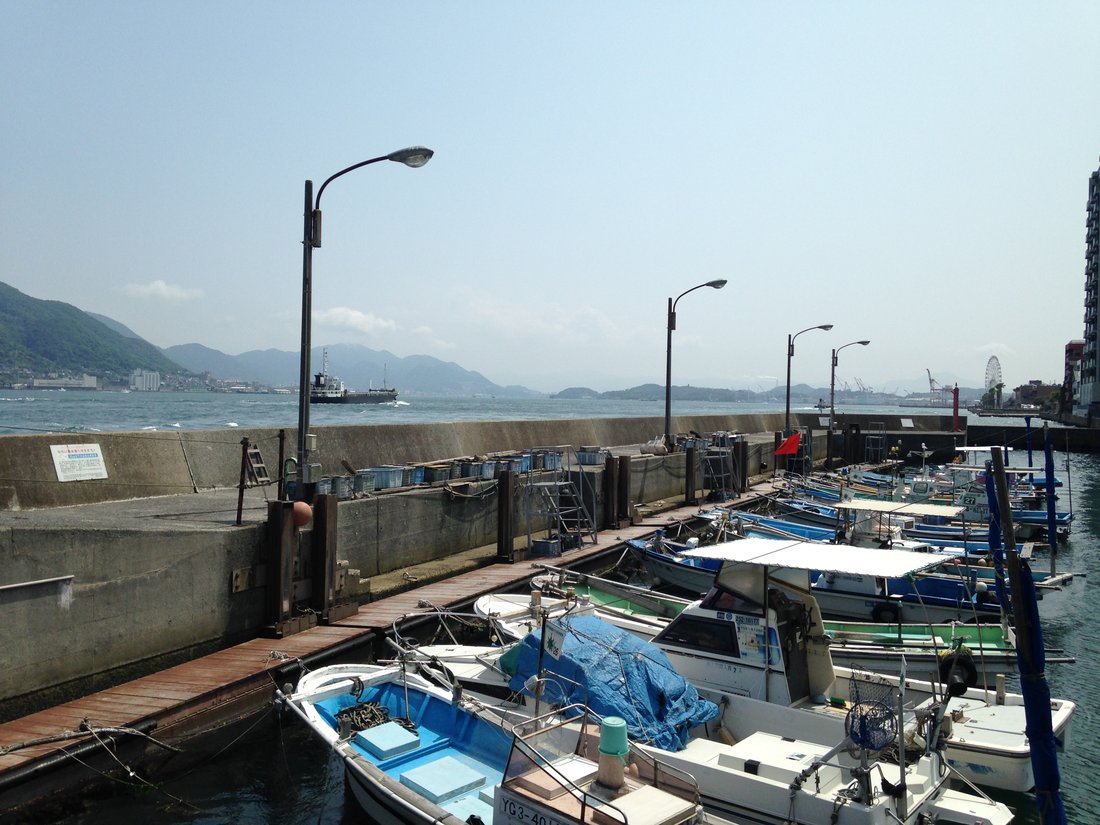
This was where I explored and learned so much about the Japanese people and their food. It was one of the most amazing times of my life.
The thing I actually took home
Not recipes. I came home with almost no recipes — I could not name most of what I had eaten, let alone reproduce it.
What I came home with was a way of thinking about food that I did not have before, and which I have been acting on ever since without particularly noticing.
Three things specifically:
One: preserving is not a separate activity. In the houses I stayed in, the fish were in the smoke because the smoke was there. The pickles were on the table because there were always pickles. Nothing was a project. It was just how the kitchen ran. Everything in my fermentation section and my pickling section is downstream of that, and it took me until writing this to see it.
Two: the small dish is a serious idea. Every meal had several things in small quantities rather than one thing in a large one. I did not think about it at the time — it was simply how food arrived. It has quietly shaped how I put a plate together ever since.
Three: not knowing is fine. I ate for two years without being able to name most of it, and I ate extremely well. That turns out to be a perfectly good way to encounter food, and it is a much better starting position than deciding in advance what you are willing to try.
The corrections this section earned
Writing it up has cost me several things I thought I knew, and I would rather publish those than quietly fix them.
- “I doubt I could ever replicate the taste” — I assumed that was nostalgia. It is a real mechanism: an irori is a room, not a technique, and it smokes everything in it continuously because there is no chimney. I was right for a reason I did not know.
- “It wasn’t fancy as the name may imply” — also right, and the reason is that hundreds of towns borrowed the name ginza. My confusion contained the answer.
- The rice “balled up with seaweed to hold it by” — I described the actual function of nori on onigiri correctly, without knowing the word, because function is all you have when nobody tells you anything.
- “I believe umeboshi” — correct, and the hedge earned the discovery that umeboshi is not a plum at all but an apricot, salt-cured rather than pickled.
- 🔴 The one I got wrong: I would have told you I learned Hiroshima-style okonomiyaki. I didn’t. The bean sprouts point that way, but the missing noodles do not, Iwakuni is in Yamaguchi rather than Hiroshima, and in 1985 the whole Hiroshima-versus-Osaka taxonomy was far less fixed than the internet now insists. I ate Iwakuni, not a category.
The things still unresolved
Three, and they stay that way:
- The stew — fish, maybe squid or octopus, no miso I don’t believe anyway, a bit spicy, very fragrant. A seafood nabe on dashi and soy. I am not naming a dish.
- The chili in the tofu — not sure what. Yuzu kosho fits everything I remember. That is not the same as knowing.
- Most of the pickles. Forty years on I can name a handful and not the rest.
I could have filled all three with the most likely-sounding answer and nobody would have known. But a page that sounds more certain than I am would be a lie about my own memory, and forty years is forty years.
The part that isn’t about food
The food is what I retained, but it is not really what the two years were about.
I was a young American serviceman with a car and no language, stopping in small coastal towns and asking strangers where I might sleep. More usually than not, I was invited to stay with a family.
The Japanese people were very warm and welcoming regardless of the language barrier.
I have never been able to improve on that sentence, and I have thought about it for forty years. The food from those hearths was extraordinary. But the reason I was at the hearth at all is that people who had very little kept deciding to feed a stranger who could not thank them properly.
That is what the section is actually about. Everything else is what was on the fire.
Related: The pickles of Japan, on the Pickled side · the Asian Favorites recipes, which include a tribute to Soba Sam at MCAS Iwakuni.
Comments (0)