Making Them at Home
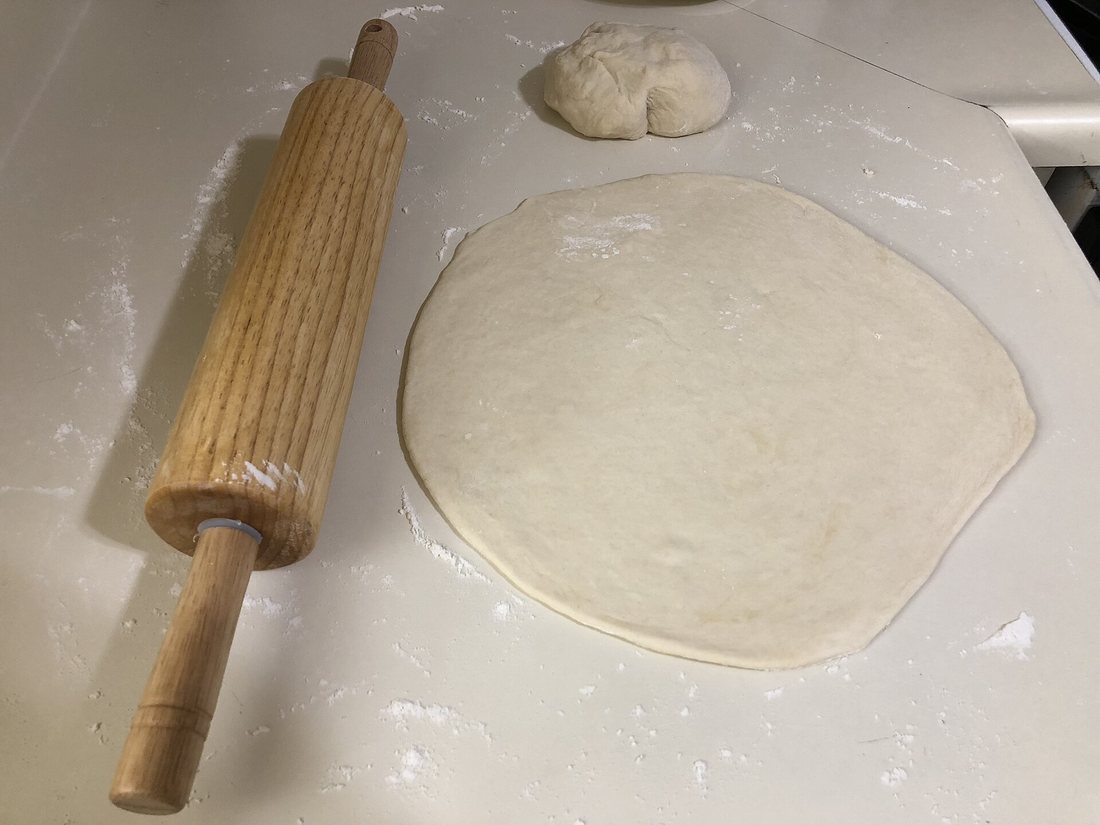
Flatbreads suit a home kitchen better than almost any other bread. Most need no proofing basket, no loaf pan and no special oven — only a hot surface and a rolling pin. The collection’s owner makes flour and corn tortillas with a tortilla press, and naan, roti, paratha, pita, lavash, johnnycakes and arepas, on a cast-iron skillet or griddle and on a baking steel or stone.
The three surfaces that cover almost everything
A cast-iron skillet or flat griddle stands in for the comal, tava, girdle, takke and budare. It holds heat, so a cold dough does not drop its temperature much. It is right for tortillas, roti, paratha, arepas, johnnycakes, oatcakes, lefse, msemen, piadina and malawach.
A baking steel or stone stands in for the tandoor wall and the oven floor. Preheat it for a long time — 45 minutes to an hour in the hottest oven — and bake pita, naan and lavash directly on it. A steel under the broiler gets hotter still and is the closest a kitchen oven comes to a tandoor.
A tortilla press makes even, thin rounds of masa in one squeeze. Line it with two pieces of a cut plastic bag, never paper, and peel the round off the plastic onto your palm.
A wood-fired pizza oven, if there is one, is a true floor oven and bakes pita, naan and flatbreads in a minute or two — see the pizza ovens section.
Heat
Most flatbread failures are heat failures.
- Too cool, and the bread dries before it sets, turning into a pale, stiff cracker that will not puff.
- Too hot, and the outside scorches while the inside stays raw.
- For corn tortillas, Rick Bayless uses two heat zones: the first side on medium, the second on a hotter part of the griddle. The tortilla should puff on the second turn. A good sign is a tortilla that balloons when pressed lightly with a spatula or fingertips.
- For roti, cook both sides on the tava until spotted, then hold it over an open gas flame with tongs to puff it into a phulka.
- For pita and naan, the surface should be as hot as the oven allows.
Dough
- Rest wheat doughs. A rested dough relaxes and rolls thin without springing back. Roti, paratha and flour tortillas all benefit from 20–30 minutes covered.
- Keep masa soft. Masa for tortillas should feel like soft clay. If the edges crack when pressed, it is too dry; knead in a little water.
- Masa harina and masarepa are different flours. Masa harina is nixtamalized, for tortillas and pupusas; masarepa is cooked but not nixtamalized, for arepas. One cannot replace the other.
- Gluten-free doughs are patted, not rolled. Bhakri is pressed with the palms; masa is pressed.
- Batters rest for days. Injera ferments for two to three days or more, then takes a cooked-starch absit before it goes on the griddle.
Layers
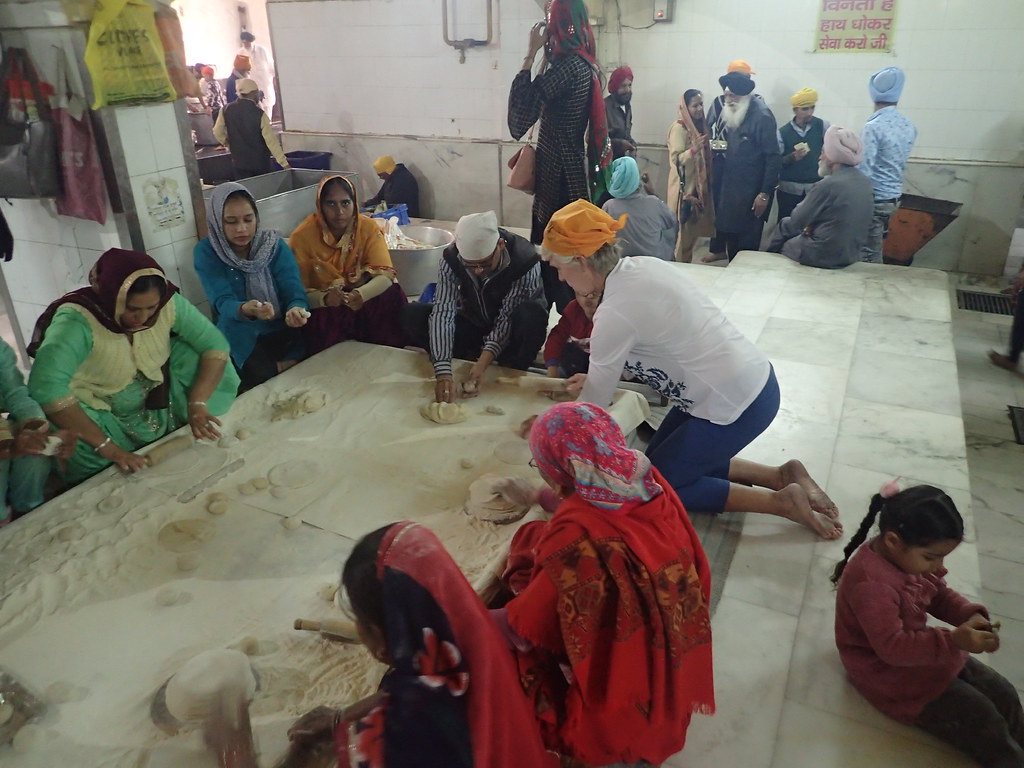
For paratha, msemen and malawach, the layers come from fat spread on a thin sheet which is then folded, rolled or coiled. The dough needs to rest after coiling, or it will spring back when rolled out. Cook these on medium heat, longer than an unlayered bread, so the inner layers cook through.
Keeping them soft
Stack griddle breads as they come off and wrap the stack in a clean towel, or put them in a tortilla warmer. The trapped steam keeps them soft. This matters most for tortillas, roti and lefse.
The recipes
New in the collection with this section — all adapted from named sources, untested in this kitchen, with the source in each recipe’s notes:
- South Asia: Roti (Chapati) · Paratha · Ajwain Puri
- Middle East: Lavash · Malawach
- The Americas: Corn Tortillas (Masa Harina) · Pupusas with Curtido · Oat Bannock (Skillet)
- Europe: Scottish Oatcakes · Potato Lefse · Norwegian Flatbrød · Knäckebröd (Swedish Crispbread) · Piadina
- Africa and East Asia: Injera (All Teff) · Msemen · Shaobing (Sesame Flatbread)
Flatbreads already in the collection, now gathered under the Flatbreads category:
- Flour Tortillas · Soft Corn Tortillas · Arepas · Cornmeal Johnnycakes · Johnny Cake (Sugar and Milk, Jeff’s)
- Naan · Garlic Naan (Pizza Oven) · Pita Bread (Pizza Oven) · Man’oushe with Za’atar · Lahmacun
- Scallion Pancakes · Socca (Chickpea Flatbread) · Flammkuchen
Flatbreads: What a flatbread is · The history · The science · Ovens and griddles · The Middle East · South Asia · The Americas · Europe · Africa and East Asia · Making them at home · Corrections · ← Breads
Comments (0)