What a Flatbread Is
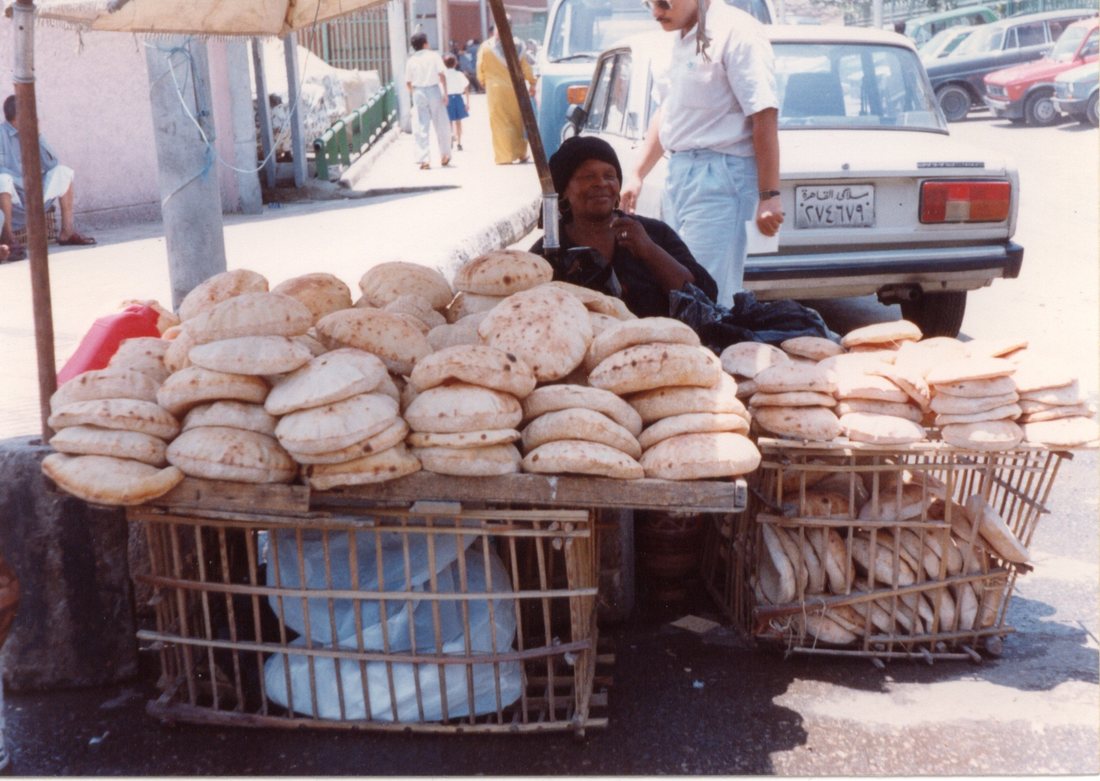
A flatbread is the simplest bread there is: a dough or batter spread thin and cooked fast on a hot surface. It needs no loaf pan and, often, no oven. It can be made from wheat, but also from corn, teff, sorghum, oats, rye, barley, chickpeas, potatoes or cassava. It was very probably the first bread, and in most of the world it is still the everyday one.
There is no single formal definition. The food scientist Antonella Pasqualone, whose papers are the best scholarly survey of the family, describes flatbreads as “always relatively thin, ranging from a few millimeters to a few centimeters in thickness,” and calls them “probably the first processed foods.” Archaeologists use the same rule of thumb: the paper that identified the oldest known bread classified its charred crumbs as flatbread partly because they were less than 25 mm high.
Four kinds of flatbread
Pasqualone sorts flatbreads into four families, by how the dough behaves:
- Breads from a batter, usually fermented, poured rather than rolled, and usually made from grains other than wheat: injera (teff), Somali canjeero, Yemeni lahoh, Sudanese kisra, and the South Indian dosa and appam.
- Unleavened doughs, rolled very thin because, as she puts it, “without leavening, bread is easier to chew if the dough is spread to a very thin layer”: yufka, lavash-type sheets, markouk, piadina, chapati.
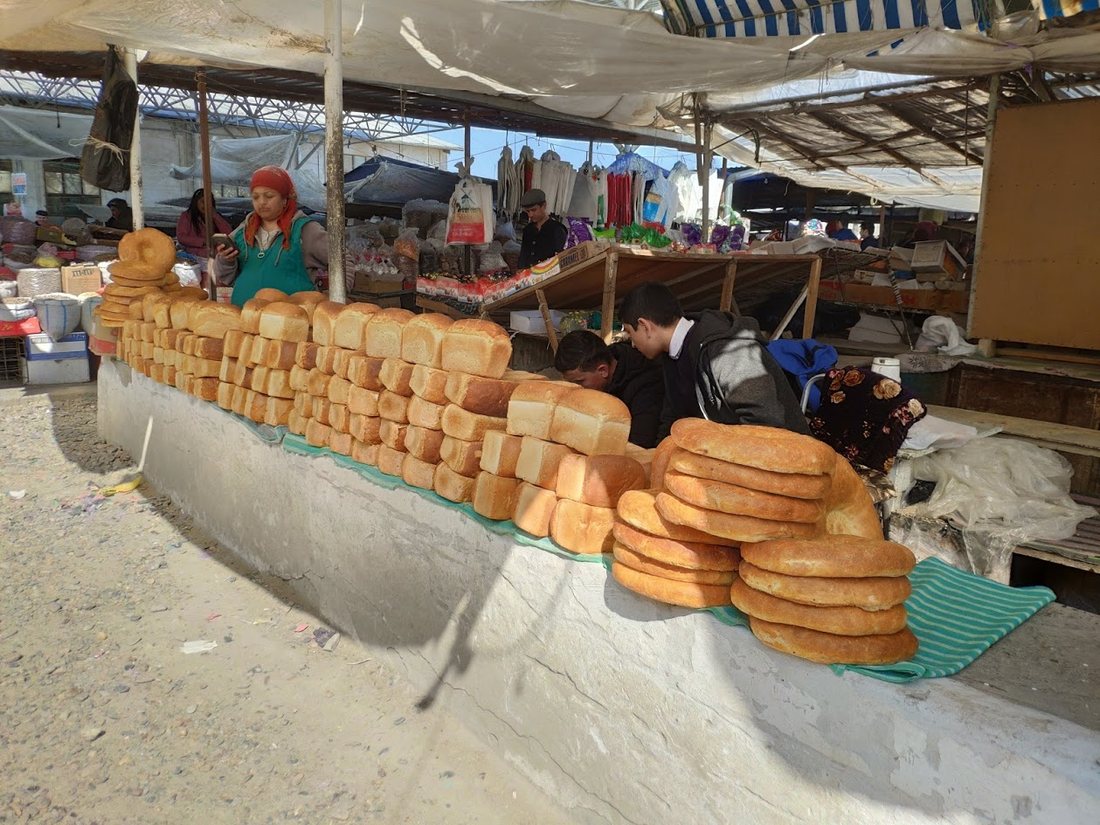
- Leavened doughs, thick and single-layered, which “have to be pressed with fingertips or punched to prevent excessive expansion in the oven”: naan, Iranian barbari, Turkish pide, Central Asian non with its stamped centre.
- Leavened doughs, thin, with a pocket — sheeted to a few millimetres and not punched, so that they “inflate visibly … and form a balloon”: pita and Arabic khubz.
Pizza and focaccia sit on the edge. Pasqualone’s 2018 paper leaves them out because they are topped and not staples; her 2022 database files them as “garnished” flatbreads. The boundary is argued even by the same author.
Where it cooks
The surface decides the bread as much as the dough does. There are four ways to bake a flatbread, and a twelfth-century writer in Seville, Ibn al-‘Awwām, listed all four:
- On a hot plate or griddle — a stone slab, a clay disc, or iron: the Levantine saj, the Indian tava, the Mexican comal, the Norwegian takke, the Scottish girdle, the Ethiopian mitad.
- On the wall of a vertical oven — the tandoor or tannur, where the dough is slapped against hot clay.
- On the floor of a domed oven, sometimes on a bed of hot pebbles — the way pita, sangak and pizza are baked.
- In the ashes and embers, or fried in fat.
See ovens and griddles.
Why flatbreads last
Pasqualone gives the reasons flatbreads have survived everywhere:
- They can be made from grains and pulses that make poor loaves.
- They bake in a minute or two, sometimes “without using an oven,” under hot ashes.
- They serve as plate and spoon at once — injera under a stew, lavash wrapped round a kebab, a tortilla round a filling.
- They stack and travel.
- Dried ones keep. Sardinian shepherds carried crisp carasau on the seasonal migration; Norwegian flatbrød kept for more than a year; Swedish crispbread was baked twice a year and hung from poles.
A 2022 survey of 143 Mediterranean flatbreads found that almost one in five (18.6%) is unleavened, and that most of the rest rise with commercial yeast, sourdough or baking powder. So “flatbread” does not mean “unleavened.” Naan, pita and focaccia all rise.
Flatbreads: What a flatbread is · The history · The science · Ovens and griddles · The Middle East · South Asia · The Americas · Europe · Africa and East Asia · Making them at home · Corrections · ← Breads
Comments (0)