Coffee · 21 of 21
Where to Learn: Schools, Classes, Trade Shows and Free Lessons
Coffee can be learned at home from a bag of green beans, and I have done some of that. It can also be learned from people who do it for a living, in a classroom with ten roasters running, or on a trade-show floor where a hundred companies are pouring samples. This page lists where that teaching happens, what it costs where a price is published, and which of it is within a day’s drive of Michigan.
Everything was read on the providers’ own sites on 2 October 2026. Prices and dates change; several were not published and are marked as such.
At a glance
| Where | What it teaches | Cost | Nearest to Michigan |
|---|---|---|---|
| A roaster’s public cupping | Tasting | Often free | Chicago; occasional Michigan events |
| SCA Skills courses | Barista, brewing, roasting, green coffee, sensory | Set by each trainer | Trainers are listed in the SCA directory |
| Mill City Roasters | Commercial roasting | From $1,100 | Minneapolis |
| Boot Coffee Campus | Roasting, cupping, starting a coffee business | See its calendar | San Rafael, California |
| Coffee Fest | Classes, tastings, suppliers, a competition | Not published | Chicago, 11–12 June 2027 |
| World of Coffee USA | The industry’s main trade show | Not published | New Orleans, 2027 |
| Online, free | Roasting videos, weekly webinars, a home-roasting library | Free | Anywhere |
Free, and close to home
Public cuppings. Many roasters taste their coffee every week and let the public join. Counter Culture Coffee’s Tasting at Ten is the best known: “every Friday at 10 a.m. for a free coffee tasting” at each of its twelve training centers. The nearest to Michigan is Chicago (177 North Ada, Unit 106). It also lists a “Catalog Cupping” on the first Monday of each month at 1 p.m. Registration is through Eventbrite.
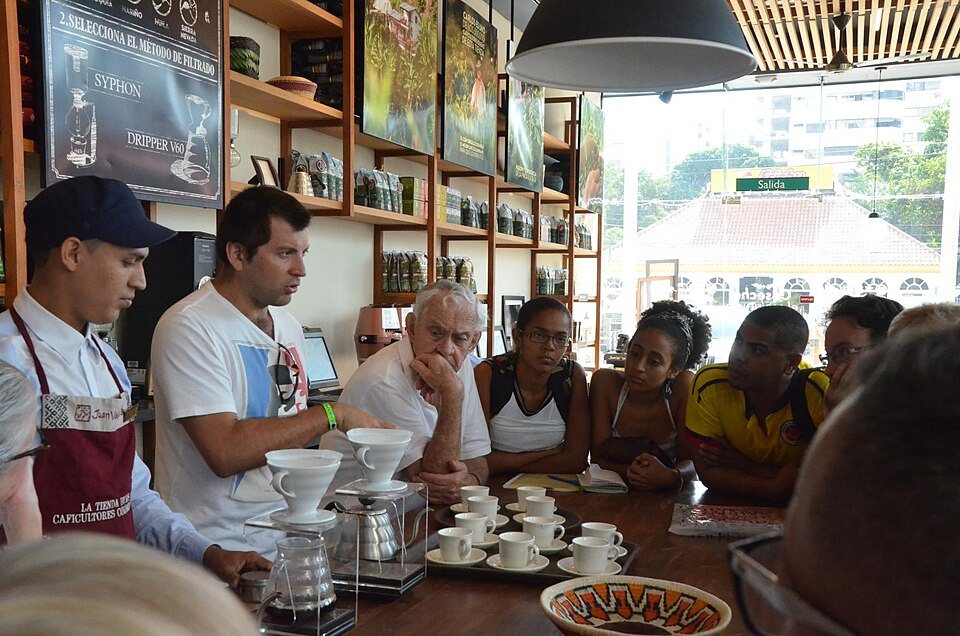
In Michigan, cuppings are occasional, listed by individual roasters. Cupping has the ones found and how to search for more.
Asking. A small roaster roasting on a weekday afternoon will often let a curious customer watch. It costs a bag of coffee.
Free, online
- Mill City Roasters’ education library: “beginner roasting videos,” “coffee roaster installation & maintenance videos” and “roast-a-long videos,” plus a free weekly webinar, the “Free RoastPATH Workshop,” on Wednesdays. This is the largest free body of teaching on commercial roasting.
- Sweet Maria’s library: guides to every home roasting method, a roast-stage picture guide, and notes on each green coffee it sells. The home roasting page on this site is built from it.
- The World AeroPress Championship’s winning recipes: complete recipes by weight, time and temperature, published every year.
- Roaster makers’ own software communities. Aillio’s roast.world shares roast profiles for the Bullet, so a new owner can load a profile someone else has proved.
Paid classes
Roasting
Mill City Roasters, Minneapolis. “Roasting 101 in Minneapolis,” an in-person class for people going into the trade, is listed “from $1,100.” An “Advanced Roasting Workshop” is listed at $1,600. Minneapolis is a long day’s drive from mid-Michigan. For someone about to spend four or five thousand dollars on a roaster, a class at this price before buying is cheap insurance.
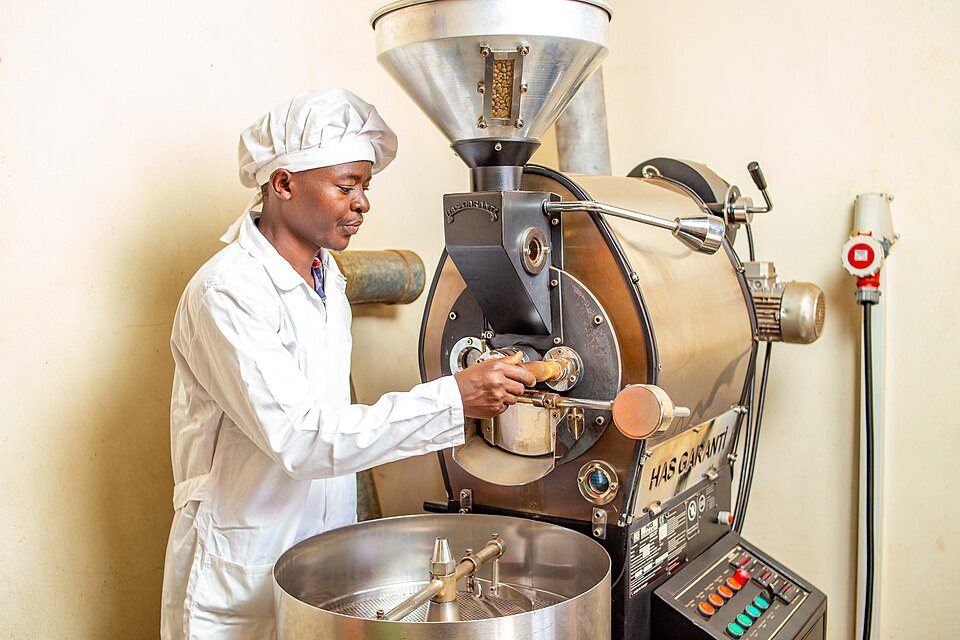
Boot Coffee Campus, San Rafael, California. Offers the SCA’s Coffee Roasting courses at Foundation, Intermediate and Professional levels, and a five-day course called “Coffee Roasting BIZ – Start Your Coffee Business,” aimed at beginners who mean to sell. Prices are on its calendar and were not on the page read. It also teaches SCA Sensory Skills and the Q Grader course.
The roaster you buy. Ask the seller what training comes with the machine. Sweet Maria’s publishes long illustrated guides to the Bullet; Mill City’s classes are built around its own machines.
The Specialty Coffee Association’s courses
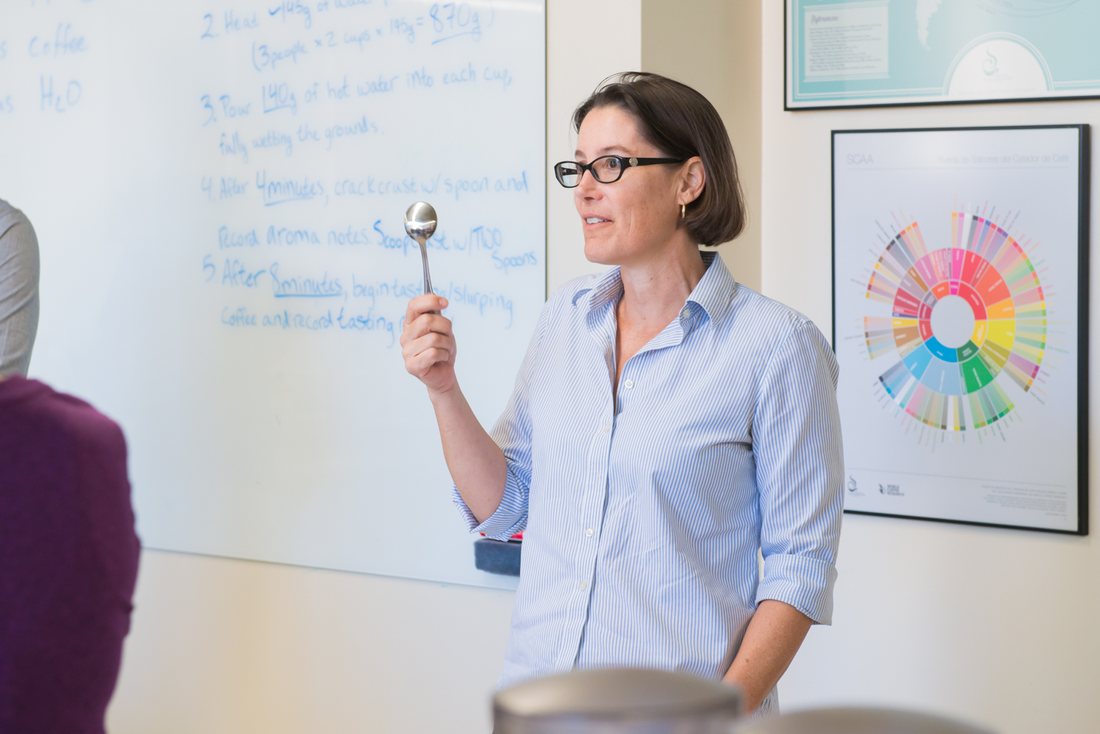
The SCA is the trade’s own school. Its education page describes five routes:
| Route | What the SCA says | Length |
|---|---|---|
| Skills courses | ”Designed to build practical skills across different areas,” for enthusiasts and new professionals | 1–3 days each |
| Diplomas | Four career diplomas, each combining courses at several levels | Months |
| Q Grader certification | ”The highest-level certification for coffee evaluation” | 5–6 days for the exam |
| Coffee Business Education | Its “only online program, a 12-week cohort course,” for coffee shop owners, managers and operators | 12 weeks |
| Master of Specialty Coffee | An advanced programme | Years |
The courses are taught by independent “Authorized SCA Trainers,” more than 2,000 of them in 89 countries, each setting their own dates and prices. The SCA’s course list and trainer directory are the way to find one in the Midwest. No price is given on the SCA’s own page.
Two of these fit the plan on this site. A one-to-three-day Skills course in roasting or sensory skills is the structured version of what a home roaster teaches themselves. And the 12-week online Coffee Business course is aimed at exactly the step from a market stall to a shop.
The Q Grader is the professional taster’s licence. Cupping describes it: six days, nine exams, renewed every three years, now run by the SCA. It is for people already working in coffee.
The business side
Coffee school does not teach Michigan’s food law. For that, the MSU Product Center runs the voluntary cottage food registration, and the county health department’s environmental health office is the place to put licensing questions. The Michigan Rules lists what to ask.
Trade shows
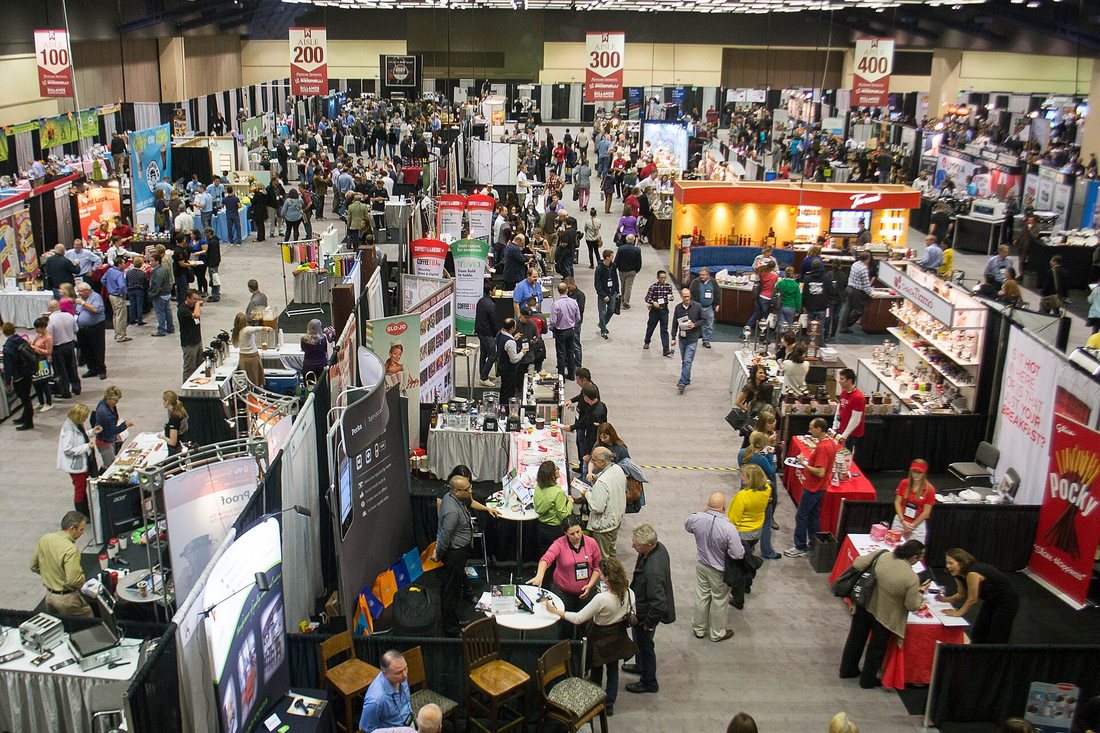
A trade show is the fastest education there is. In two days it is possible to taste a hundred coffees, run a hand over every roaster and grinder on the market, sit in classes, and ask the people who make the equipment anything.
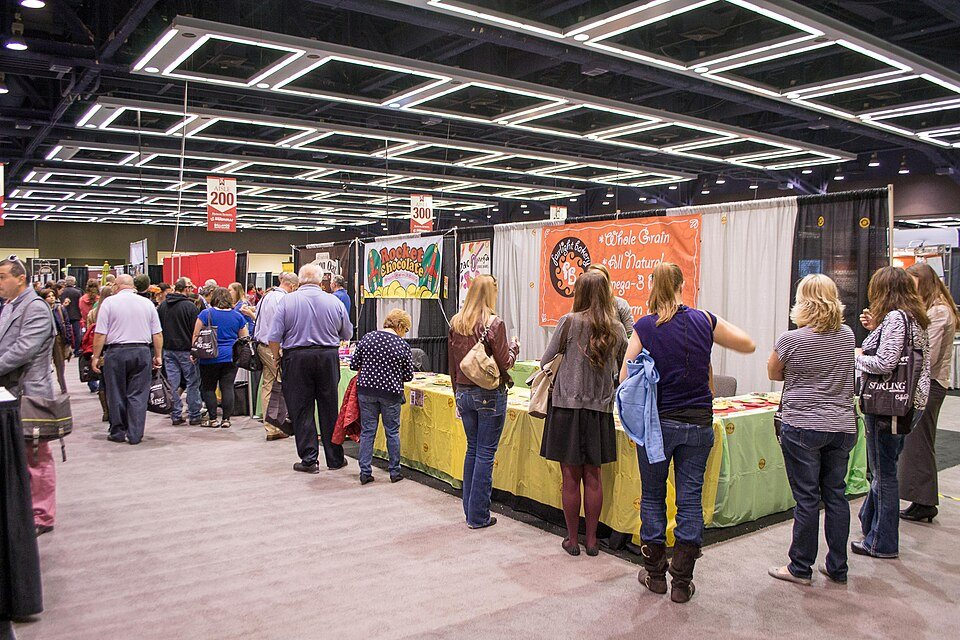
Coffee Fest
A travelling trade show. Its upcoming dates:
| Show | Dates | Venue |
|---|---|---|
| Dallas–Fort Worth | 17–18 October 2026 | Fort Worth Convention Center |
| New York | 7–9 March 2027 | Javits Center |
| Chicago | 11–12 June 2027 | Navy Pier |
| Pasadena | 20–21 August 2027 | Pasadena Convention Center |
On the show floor it lists a Cupping Corner, a Roasting Hub, a Tech Lab, a Coffee Skills Series, “Business Building Essentials,” a Latte Art Venue and the Latte Art World Championship Open. It describes the show as a place to “connect face-to-face with suppliers, educators, experts, and the broader specialty coffee community.”
Chicago in June 2027 is the one to plan for. It is about four hours’ drive from mid-Michigan, it has a roasting area and a cupping area, and it is aimed at people starting and running coffee businesses. Ticket prices, and whether a badge requires proof of being in the trade, were not on the pages read. Check before booking a hotel.
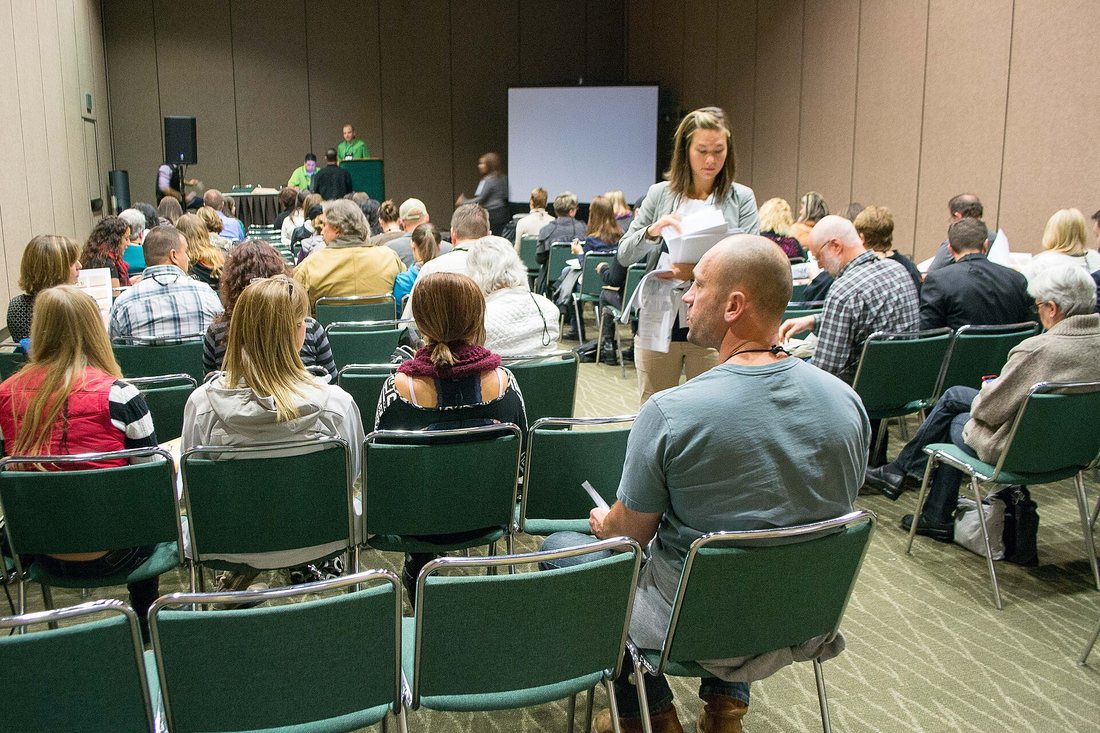
World of Coffee
The SCA’s own shows, held around the world, each hosting a world championship (Competitions has the schedule). The SCA says they bring together “coffee professionals, producers, roasters, retailers, traders, educators, and innovators.” The North American edition, World of Coffee USA, replaced the Specialty Coffee Expo; Cupping notes it is due in New Orleans in 2027, with registration opening in January 2027. Whether someone outside the trade can buy a pass could not be confirmed.
What to do at a show
- Go with a list. Three questions to answer and five machines to see. A show floor without a list is a day of free samples.
- Taste at the importers’ tables. Green coffee importers cup their offerings all day. It is the best chance to taste twenty origins side by side.
- Put hands on the roasters. Stand at a Bullet and a one-kilo drum and watch a batch on each.
- Sit in the business classes before the technical ones.
- Carry business cards, even for a business that is still a market stall.
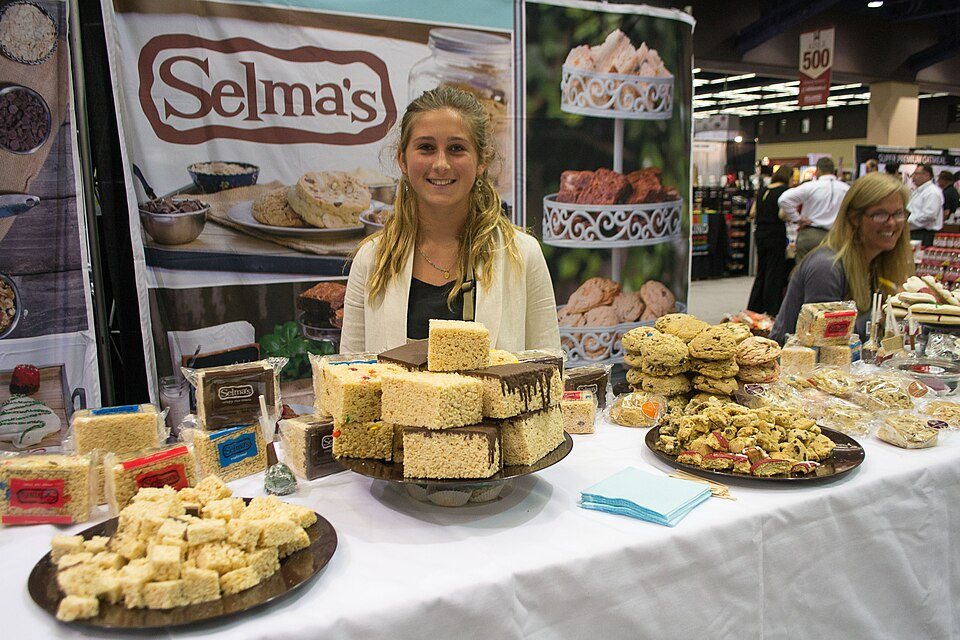
Learning by competing and judging
Watching a competition, or volunteering at one, is teaching of a kind no class gives: a view of what the best people do, a few feet away. The U.S. championships take volunteers with no experience for stage and bar roles. Competitions has the details.
Travel
The longest course is a trip to where coffee grows. Coffee Travel covers it, including the origins that need no passport.
A sensible order
- Free first. The online roasting videos, and a public cupping in Chicago or at a Michigan roaster.
- One trade show. Coffee Fest Chicago, June 2027.
- One paid class before the big purchase. A roasting class, before the production roaster.
- The business course, the year before the shop.
- Certificates last, if at all. A market customer buys the coffee, not the diploma.
Sources
- Specialty Coffee Association, education and events pages (sca.coffee).
- Mill City Roasters, education page (millcityroasters.com).
- Boot Coffee Campus (bootcoffee.com).
- Counter Culture Coffee, training centers page; the U.S. Coffee Championships’ events page for the Tasting at Ten and Catalog Cupping schedule.
- Coffee Fest (coffeefest.com), home and Chicago pages.
- World AeroPress Championship (worldaeropresschampionship.com).
- All read 2 October 2026.
Comments (0)