Coffee · 18 of 21
Coffee Travel: Seeing It Grown, Processed and Tasted at Origin
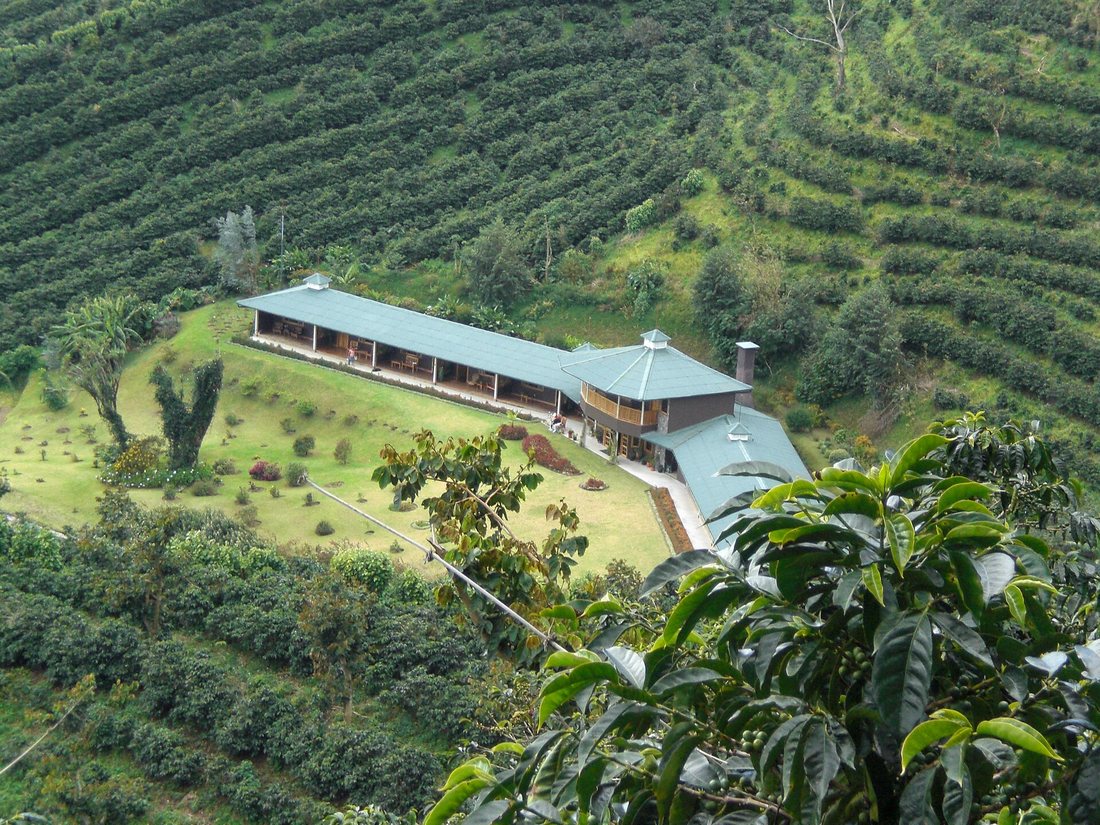
I want to take a coffee vacation — go somewhere beautiful, walk a working farm at harvest, watch cherries go through the mill and dry on the patios, and then drink the coffee a few hundred yards from where it grew. I haven’t done it yet. This page is the homework I did first, written so that anyone can use it to find a trip that’s safe, beautiful and worth the money — and so I can find mine.
I have been to some of these countries: Panama, Nicaragua and Mexico among them, and they are beautiful. That was before coffee took hold of me, so I never saw a cherry picked or a mill running in any of them. Panama is the one I liked best, and it is the one I would most like to go back to with coffee in mind.
As a US citizen, some doors are closed or harder to open, and I’ll be straight about those. But the more useful discovery was that the famous coffee regions often carry a different safety rating from the country they’re in — sometimes safer, sometimes much worse. The single most important habit for planning a coffee trip turned out to be reading the fine print, not the headline.
Every travel-advisory level below is as of 30 September 2026, from the State Department’s own data, with the date each advisory was last updated. They change. Check them again before you book.
First, go at harvest
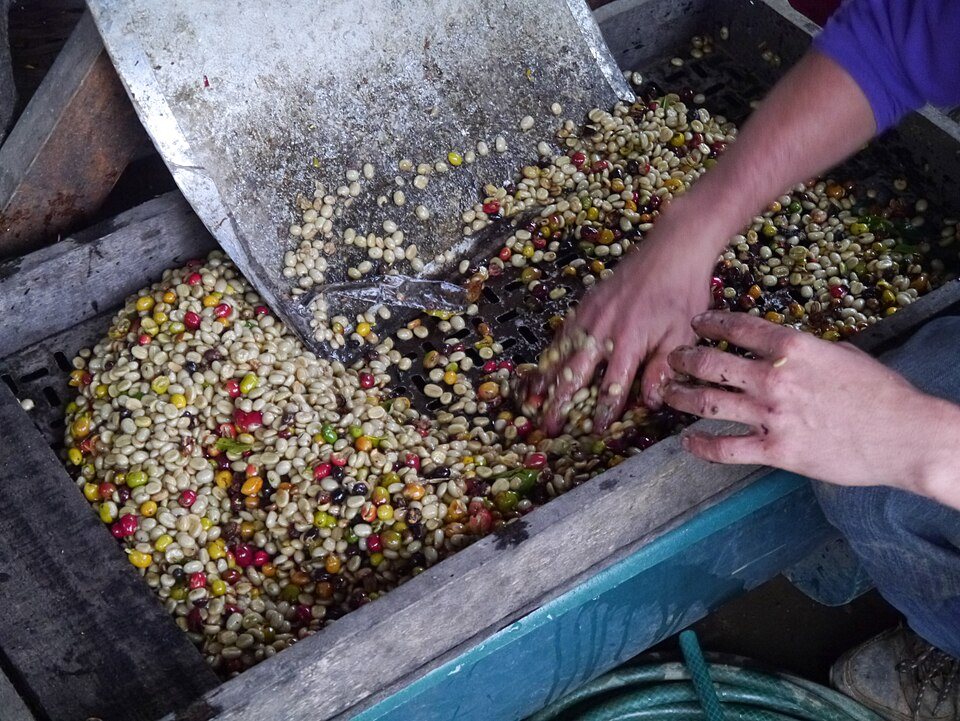
A coffee farm out of season is a walk through green shrubs past an idle mill. The things worth seeing — picking, the wet mill running, fermentation tanks, and beds and patios covered in drying coffee — only happen while cherries are coming in. Real tours show the whole chain: Hacienda Doka in Costa Rica “starts at the seedbed” and walks you through traditional de-pulping and fermenting; Finca El Ocaso in Salento, Colombia covers picking, the depulper and hopper, drying, storage and the trilla (hulling); at the Kona Coffee Living History Farm you watch how farmers used the kuriba and hoshidana to mill and dry.
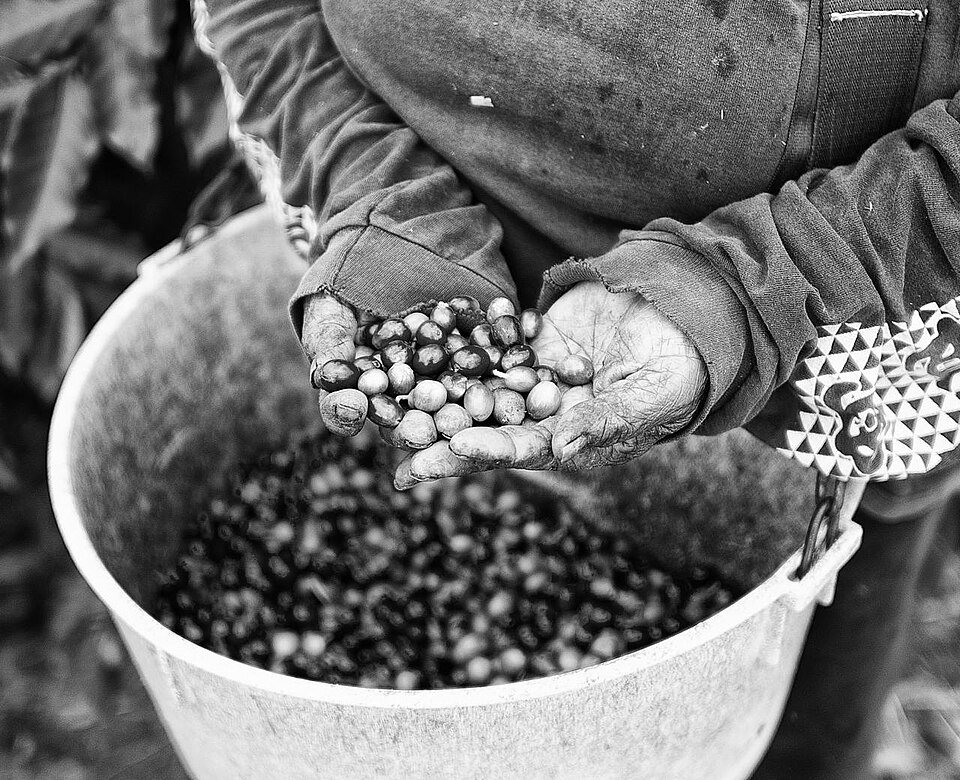
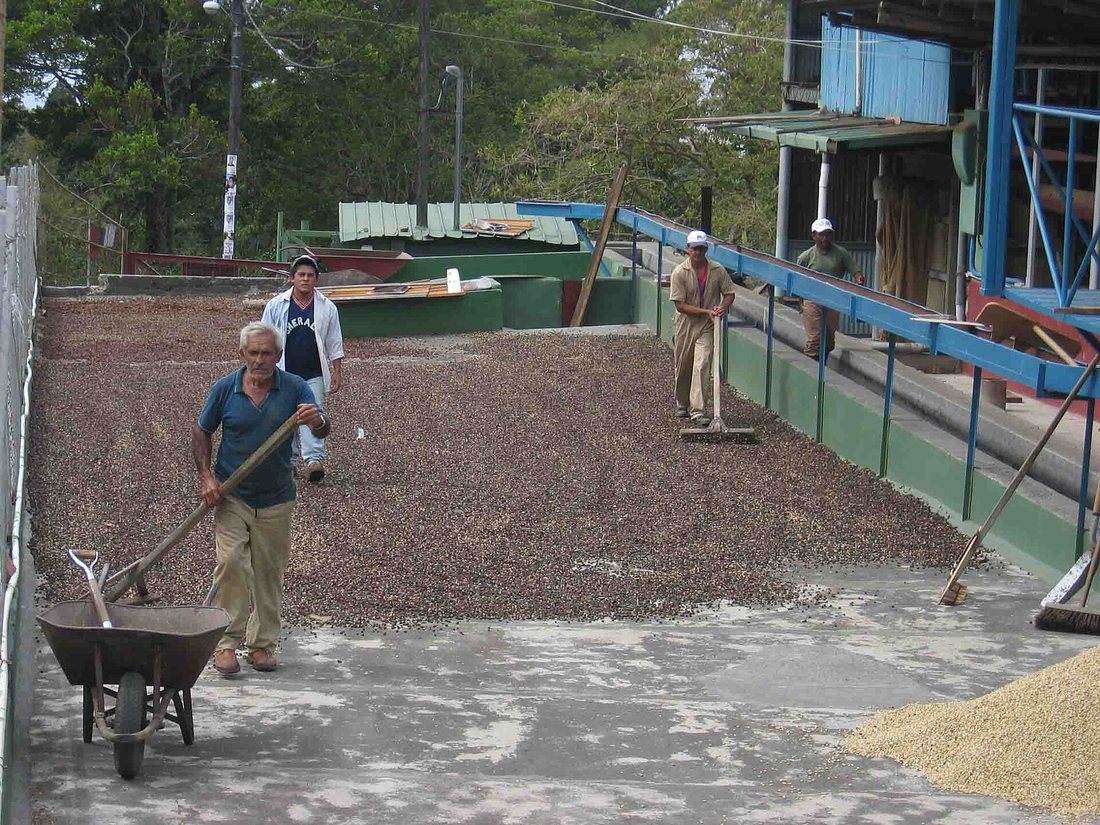
When is harvest? The coffee boards’ own picking calendars are not easy to consult: they load by script and are not published as plain tables. What I can give you is the USDA’s list of when each country’s coffee year begins, which is roughly when the new crop starts arriving:
- October: Colombia, Costa Rica, El Salvador, Ethiopia, Guatemala, Honduras, India, Jamaica, Kenya, Mexico, Nicaragua, Panama, the United States (Hawaii), Vietnam and others.
- July: Brazil, Cuba, the Dominican Republic, Tanzania.
- April: Ecuador, Indonesia, Papua New Guinea, Peru, Rwanda, Burundi.
That tells you when picking starts, not how long it lasts — so ask the farm which weeks its mill will actually be running before you book flights. One trap: in Kona the famous white flowering, “Kona snow,” comes early winter through spring. That’s the bloom, not the harvest. Picking there is in the autumn.
No passport needed: Hawaii, Puerto Rico and California
For a US citizen the easiest coffee trip is domestic.
Hawaii is the only US state with a long-established coffee industry.
- Kona (Big Island): coffee was planted there in 1832 and revived largely by Japanese former plantation workers. Today it’s “more than 630 farms,” most “less than five acres … operated by individual families,” from 500 to 3,000 feet up, growing almost only Kona Typica (Hawaii Coffee Association).
- Greenwell Farms in Kealakekua gives free 45–60 minute guided tours every half hour from 8:30 to 2:00, no reservation — the farm dates from 1850 and still has trees planted in 1900–1903.
- The Kona Coffee Living History Farm (Kona Historical Society) restores a 1920s Japanese-American coffee farm with costumed interpreters, open Tuesdays and Fridays 10–2, $20 for adults.
- The Kona Coffee Cultural Festival — “Hawaiʻi’s oldest food festival,” founded 1970 — runs 6–15 November 2026, with farm tours, picking experiences, a cupping competition and a lantern parade. It falls right in harvest.
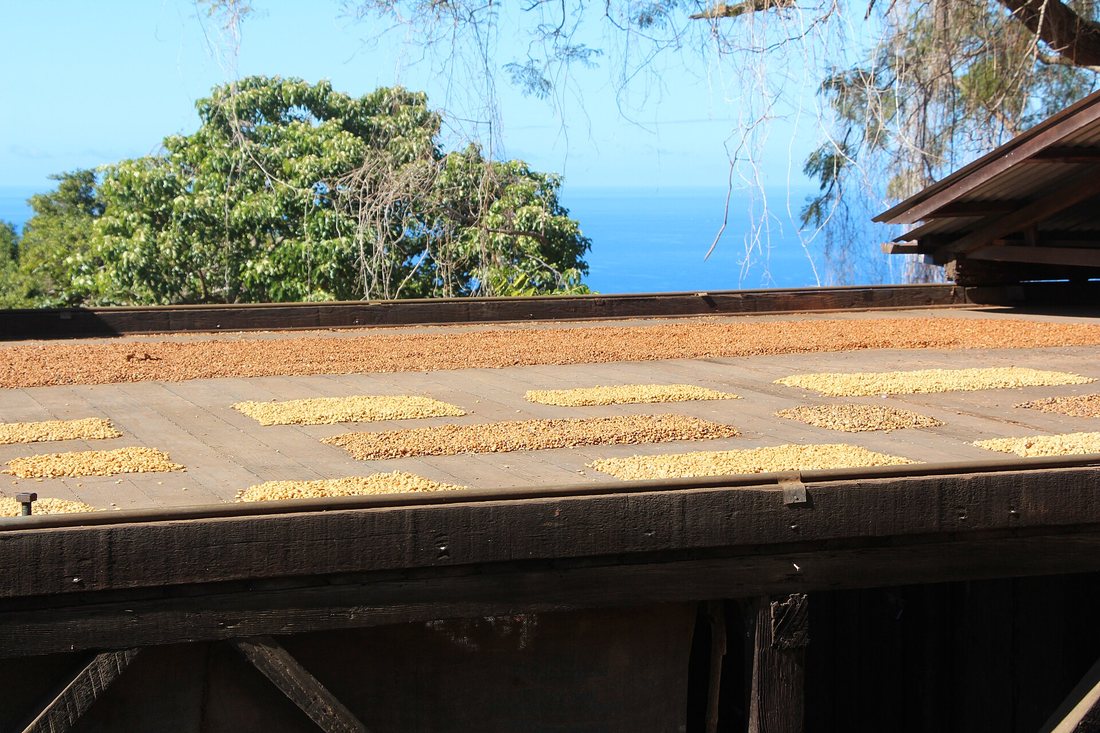
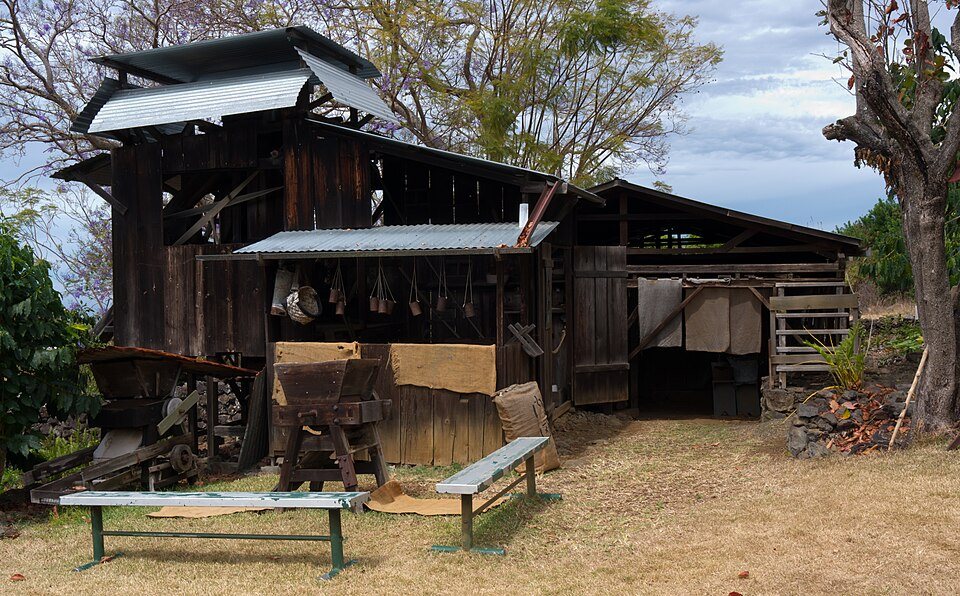
- Ka’u, on the Big Island’s south side, is a newer smallholder region that grew after the sugar plantation closed in 1996; its festival ran in June 2026.
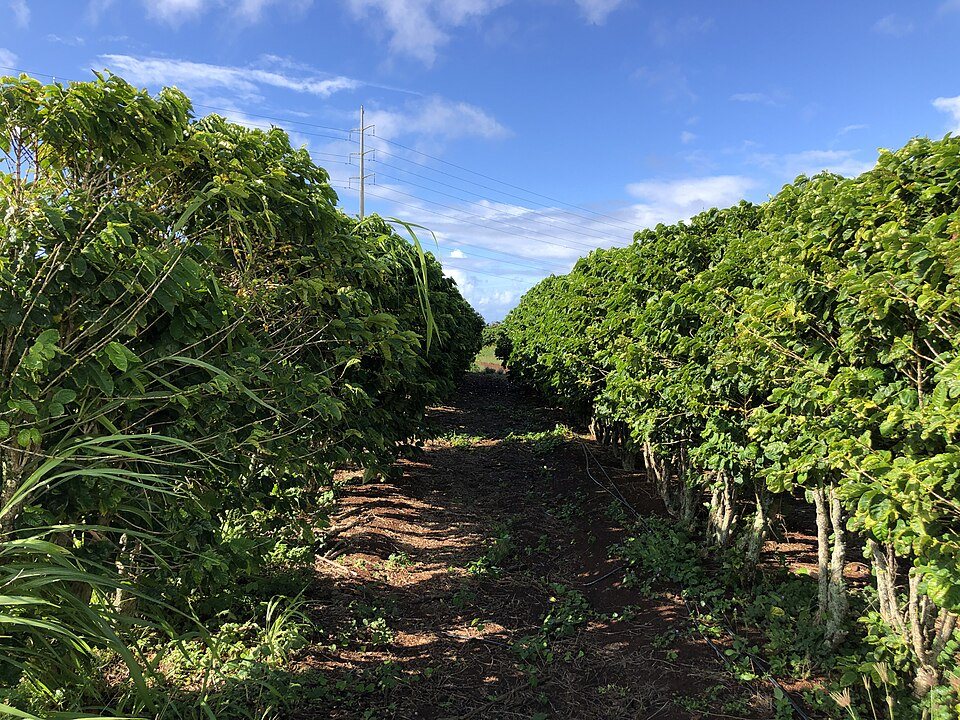
- Kauai surprised me: the Kauai Coffee Company’s 3,100-acre estate “produces more than half of all the coffee in Hawaii,” picked mechanically with modified blueberry harvesters. You can do a free self-guided walk any day. It’s the opposite of Kona — one big mechanised estate against hundreds of family plots — and seeing both would teach a lot.
- Maui has close to 600 acres of coffee.
A buying note while you’re there: under Hawaii law a “Kona blend” currently needs only 10 per cent Kona coffee, but from 1 July 2027 any product using a Hawaii origin name must contain 51 per cent of it, with the percentage printed on the bag.
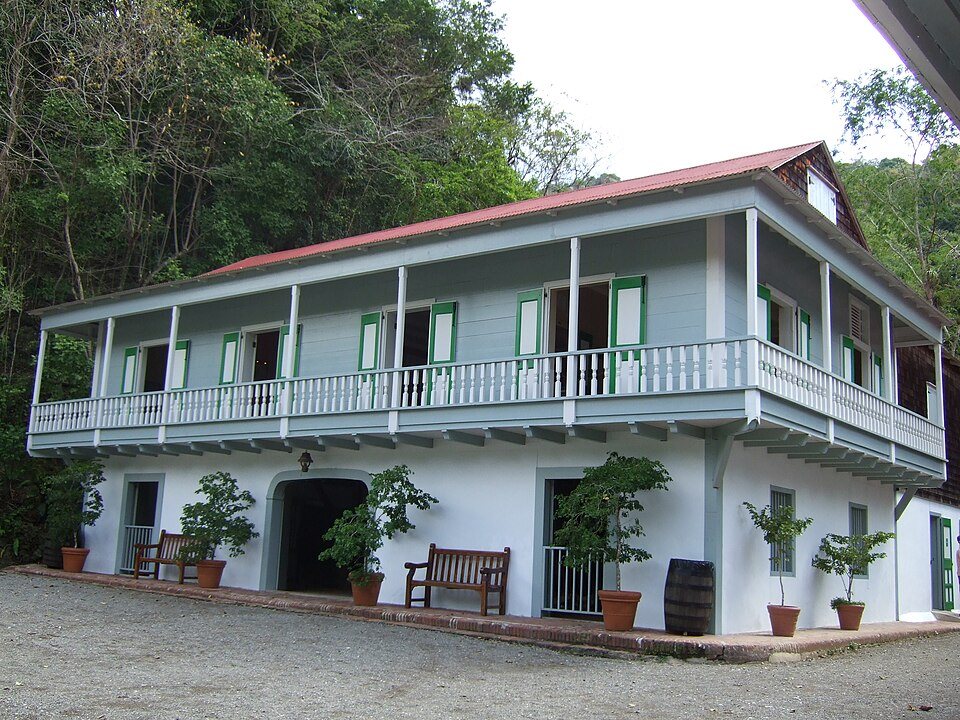
Puerto Rico is a US territory, so no passport is needed, and it has historic coffee haciendas such as Hacienda Buena Vista near Ponce. Their sites do not give reliable current tour details, so check directly.
California now grows coffee. FRINJ Coffee’s founder planted California’s first commercial coffee trees in 2002 with a UC farm advisor, and its farms run from San Luis Obispo to San Diego; they say cooler coastal weather “slows cherry ripening to match conditions found at high elevations in the tropics.” FRINJ offers private tastings and farm tours through its events programme; it does not publish tour prices.
Where US citizens can’t easily go
- Cuba — the State Department rates it Level 2, but tourist travel is illegal for US persons. Travel has to fit one of twelve licensed categories (family visits, journalism, “support for the Cuban people” and so on), and the “support” category requires “a full-time schedule of activities” — a coffee holiday doesn’t qualify. Cuba does have remarkable coffee heritage: UNESCO lists the ruins of 171 early coffee plantations in the Sierra Maestra foothills, built by French and Haitian owners with enslaved African labour. Licensed travellers may bring Cuban goods home for personal use (not alcohol or tobacco), and coffee from independent Cuban producers is specifically allowed.
- Yemen — Level 4, “should not travel to Yemen for any reason”; the US embassy has been closed since 2015. The way to taste Yemeni coffee is at home: the Alliance for Coffee Excellence has run a Best of Yemen auction every year since 2022.
- Haiti, Burma (Myanmar), DR Congo and Uganda — all Level 4, Do Not Travel, countrywide.
- Nicaragua — Level 3, and the State Department warns of “serious risk of wrongful detention” for US nationals.
- Venezuela — Level 3 (lowered from 4 in March 2026), with Do Not Travel areas in several states and along the Colombian border.
Read the region, not the country
This is the part I’d have got wrong. Several famous coffee regions sit under a stricter rating than their country — and a few safe ones sit inside countries with scary headlines.
- Colombia — Level 3 (updated April 2025) for crime, terrorism, unrest and kidnapping, but the Level 4 areas are Arauca, Cauca (except Popayán), Norte de Santander and the Venezuela border. Cauca is a coffee department, so “Colombian coffee country” isn’t one answer. The UNESCO Coffee Cultural Landscape — Caldas, Quindío, Risaralda and northern Valle — is not on the Level 4 list.
- Guatemala — Level 3 (March 2026), with Huehuetenango and San Marcos at Level 4 “due to crime and terrorism by cartels.” Huehuetenango is one of the country’s best-known specialty origins. But US government staff may visit Antigua and Lake Atitlán, which have tourist police, so those are the practical coffee bases.
- Ethiopia — Level 3 (August 2026), with Level 4 over the Gedeo zone (where Yirgacheffe is), Guji, East and West Hararghe, and parts of Jimma — most of the names on my favourite bags. Sidama isn’t on the Level 4 list, and Addis Ababa “is stable.” Ethiopia also has communication shutdowns and exit bans for unpaid fines, and you need an approved e-visa.
- Mexico — Level 2 overall, but you have to read it state by state. Chiapas is Level 3, with a south-eastern area off-limits to US staff, while Veracruz and Oaxaca are Level 2. The State Department asks US citizens to follow the same restrictions as its staff, including no intercity driving after dark.
- Peru — Level 2, with Level 4 in the VRAEM valleys, which include Vilcabamba, and parts of Cusco and Junín — some of them coffee country — though Cusco city, the Sacred Valley and Machu Picchu are outside the restricted area.
- Papua New Guinea — Level 3, with the Highlands off-limits except Mount Hagen and Goroka.
- Rwanda and Tanzania — both Level 3 (Tanzania was raised from 2 in October 2025).
The strongest options
Costa Rica — Level 2 (April 2026), no regional Level 3 or 4 zones. This looks like the easiest first international coffee trip. The coffee institute ICAFE says all Costa Rican coffee is Arabica and that Robusta planting has been banned by law since 1989 (that’s ICAFE’s claim; I didn’t independently confirm it’s still in force).
- Hacienda Doka, in the Central Valley near Poás, runs a one-hour tour from the seedbed through its heritage wet mill to roasting and a tasting: $28 for non-resident adults, $43 with lunch, $99 with lunch and transport.
- Café Britt, near San José, has run English and Spanish tours daily since 1991.
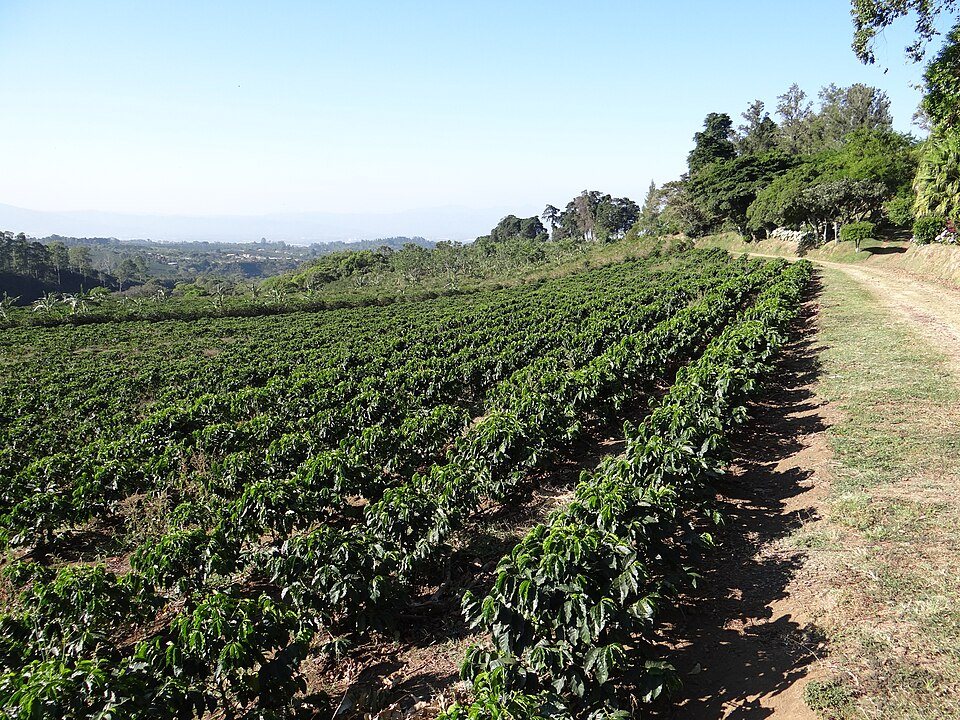
Colombia’s Coffee Axis — Level 3 nationally, but outside the Level 4 zones. This is the one that pulls at me most: a UNESCO World Heritage landscape of steep coffee farms — “slopes of over 25%” — and towns built in cob and cane with clay-tile roofs.
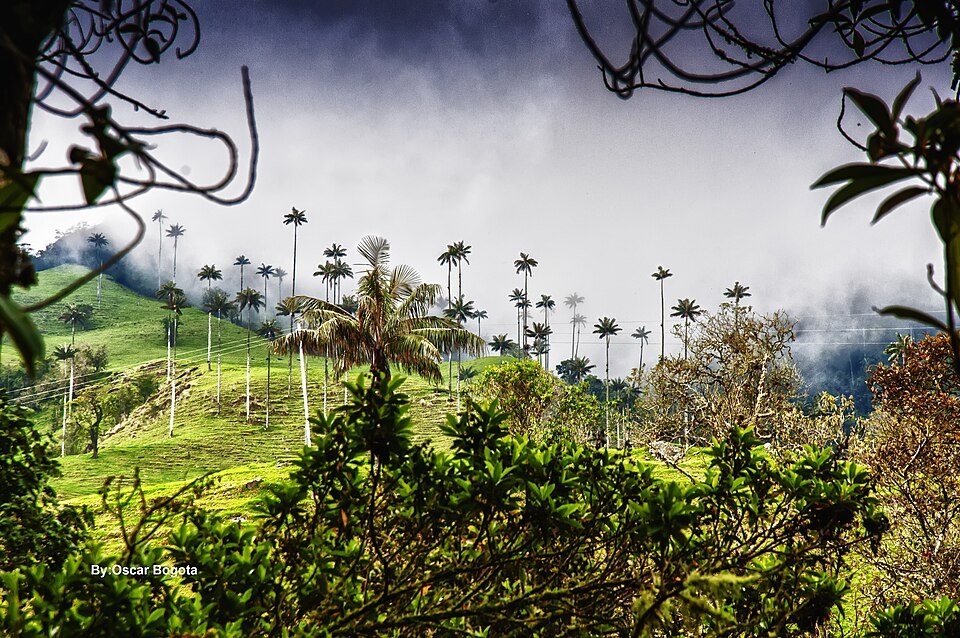
- Finca El Ocaso, 5 km from Salento (Quindío), about an hour from the Armenia and Pereira airports, runs a 90-minute traditional tour for about COP 60,000 (roughly $18) with English departures several times a day, up to a longer roasting tour.
- Hacienda Venecia near Manizales (Caldas) offers tours, cupping and barista training and has its own lodging.
- Parque del Café in Quindío is a coffee theme park — fun, but not a working farm.
- Health: Colombia requires a yellow-fever vaccination for entry, and the CDC posted a notice in September 2026 about more yellow-fever cases there. Malaria occurs below 1,700 m, which is inside coffee altitude, so ask your farm how high it is.
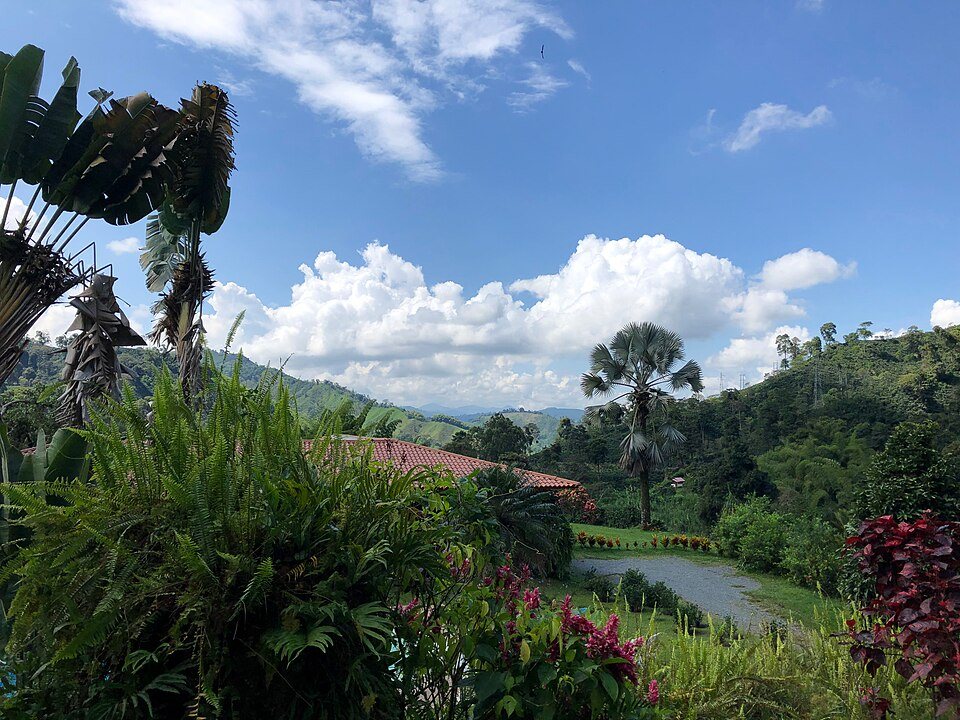
Panama (Boquete) — Level 2 (August 2026). Home of the Geisha that set auction records — Hacienda La Esmeralda says it “rediscovered Geisha in 2004,” which is more honest than the usual “discovered.” Not every famous farm takes visitors: La Esmeralda lists no public tour, and one Boquete operator stopped its Kotowa mill tour in 2017 because the company’s growth made groups impractical. Chiriquí province, where Boquete is, is listed for malaria. Money is simple for an American: Panama’s currency, the balboa, has been fixed at one to the US dollar since 1904, and the country prints no banknotes of its own. The paper money in circulation is US dollars, so there is nothing to exchange; only the coins are Panamanian. Of the countries on this page I have been to, Panama is my favorite, though I was there before I cared about coffee and saw none of this.
El Salvador — Level 1 (June 2026), the only Central American coffee country at the lowest level, though the State Department notes that several US citizens have been detained under its State of Exception.
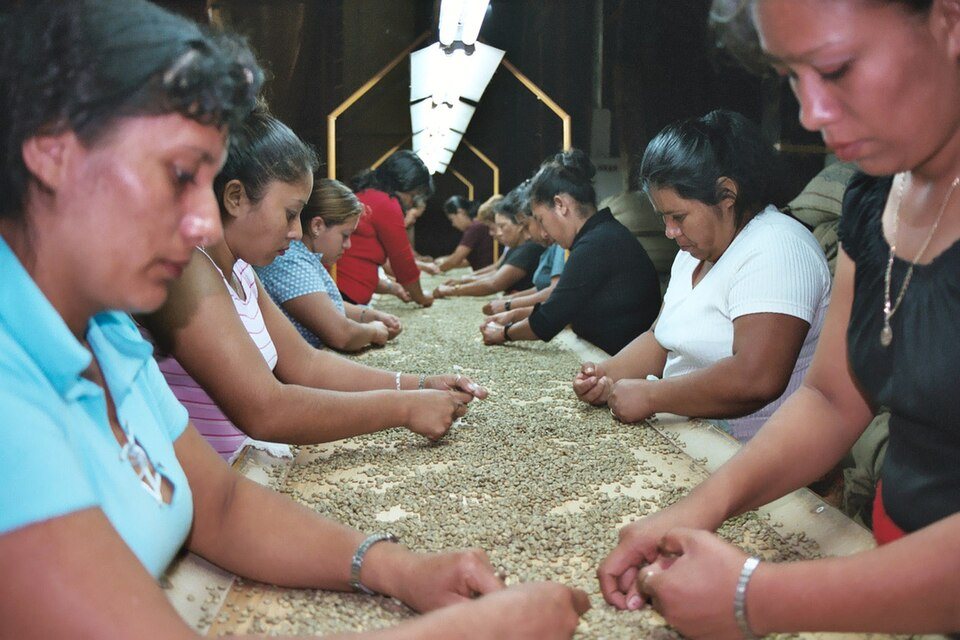
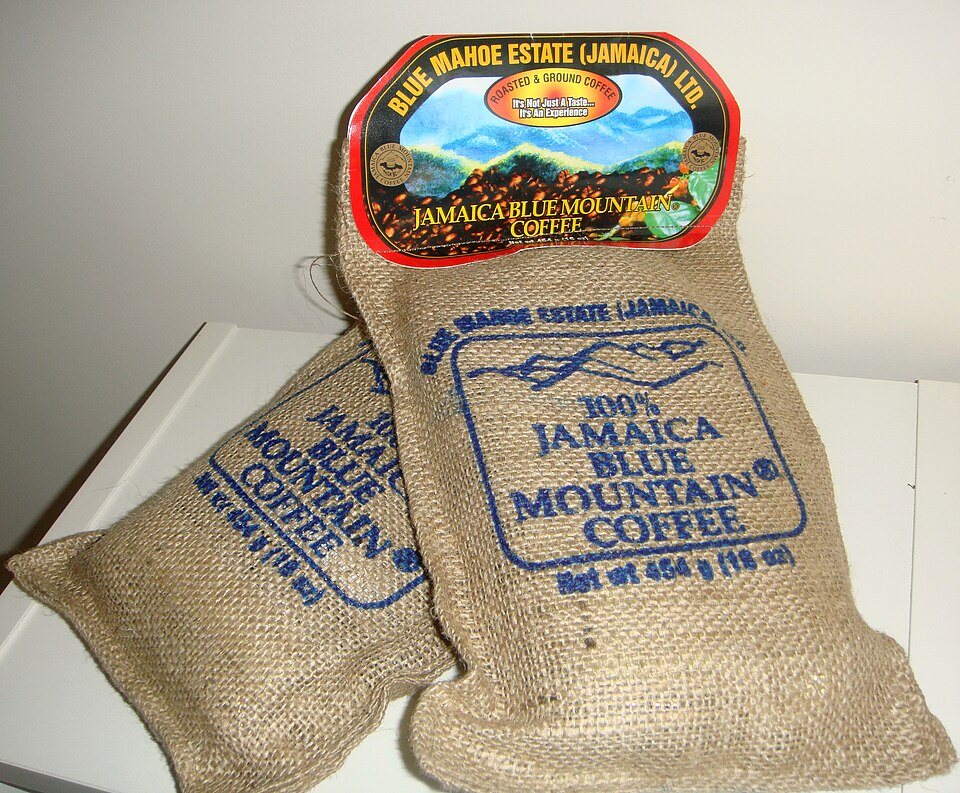
Jamaica Blue Mountain — Level 2, with some named neighbourhoods at Level 3. The Blue Mountain name is a protected trademark. The estates’ tour pages were not loading in September 2026.
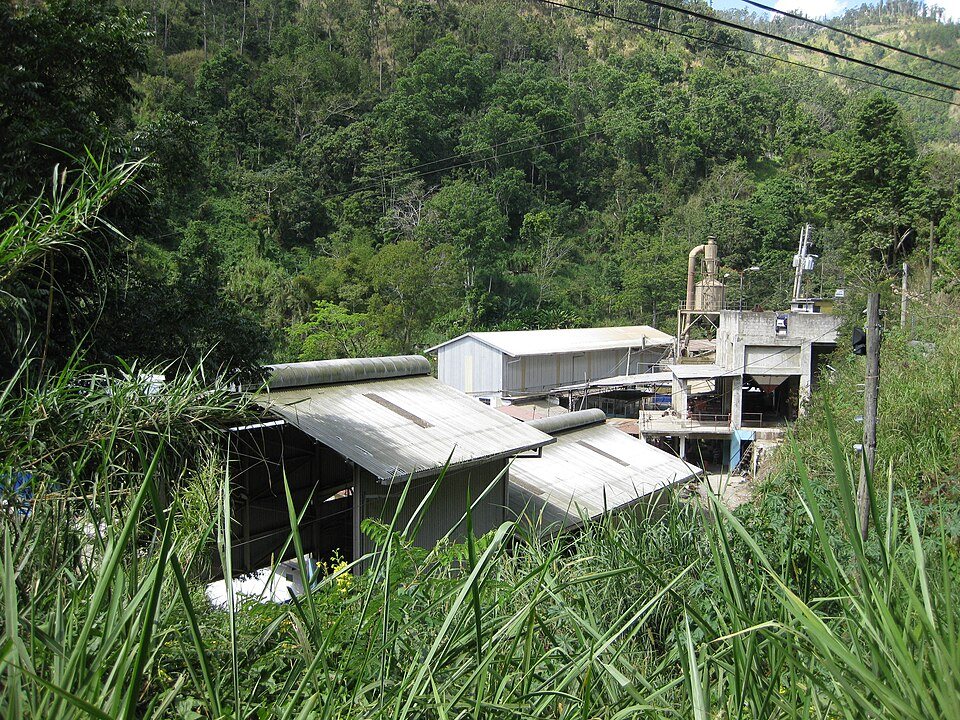
Vietnam — Level 1, “generally a safe destination.” Just know what you’re going to see: Vietnam grows about 97 per cent Robusta. That’s a genuinely interesting trip — it’s the world’s great Robusta origin — but it isn’t a Geisha tour.
Indonesia — Level 2, apart from two Papuan provinces. Also mostly Robusta (about 88 per cent). Bali’s resort areas have no malaria; rural Sumatra and Flores do. And one strong recommendation: skip the caged-civet “kopi luwak” experiences in Bali. A 2016 survey of 48 civets at 16 tourist plantations found poor welfare associated with caged production.
Brazil — Level 2, visa required. Minas Gerais grows over 70 per cent of Brazil’s Arabica on plateaus and rolling hills, and much of it is machine-harvested, so expect tractors rather than hand-pickers on the big estates. Yellow-fever vaccine is recommended.
Kenya — Level 2, electronic travel authorisation required. Rwanda — Level 3, where Huye Mountain Coffee, about two hours from Kigali, runs washing-station tours with cupping.
How to find the right trip — a checklist
Safety
- Read the country level, then the regional list — and look for the specific department, state or zone your farm is in.
- Check the date on the advisory. Some are more than a year old.
- Enrol in the State Department’s STEP programme; every advisory recommends it.
- Prefer places where the advisory says US government staff may travel — that’s a useful practical signal.
Health and insurance
- Medicare doesn’t work abroad, and hospitals often want payment up front. Buy travel insurance that includes medical evacuation.
- Check the CDC page for your country: yellow fever (Colombia requires it at entry; Costa Rica then requires proof from anyone arriving from Colombia, Brazil, Peru or Ecuador — so a two-country trip needs the card), malaria (it’s set by altitude, and some coffee farms are below the line), and altitude itself.
- Ask about the water — in Colombia, many restaurants serve tap water unless you ask for bottled, and ice may be tap water too.
Picking the farm
- Harvest weeks — confirm with the farm, not a blog.
- Estate or smallholders? A family farm and a mechanised estate are completely different visits. Kona versus Kauai is a perfect example.
- Use competition results as a map. Cup of Excellence publishes its winning farms by country; coffees need 87+ to win. Winners don’t necessarily take visitors, but they’re the best farms to ask.
- Ask a roaster you like which of its farms host visitors. A roaster who buys direct often knows.
- Think about who does the picking. The US Department of Labor lists coffee as produced with child labour in 17 countries (and forced labour in Brazil and Côte d’Ivoire). That’s a national listing, not a verdict on any farm — but it’s a fair reason to ask how pickers are hired and paid.
- Skip caged animals. No civet coffee.
Getting in
- Check entry rules early: Brazil needs a visa, Kenya an electronic travel authorisation, Ethiopia an e-visa, Vietnam a visa; Colombia wants a free online Check-Mig form within 72 hours of your flight; Mexico requires a passport book, not a card, to fly in.
Bringing coffee home
- Declare it. US Customs asks you to declare plant products — and also to tick “yes” if you’ve been on a farm, because your shoes and luggage may be checked for soil. Undeclared prohibited items can cost up to $1,000 for a first offence; declared ones can simply be surrendered.
- Roasted coffee: no federal ban is published. Declare it anyway.
- Green (unroasted) coffee: federal rules prohibit unroasted coffee into Hawaii and Puerto Rico, to keep out the coffee berry borer and coffee leaf rust. The mainland isn’t covered by that rule, but green beans are inspected on arrival.
- Don’t pack cherries or plants. Even leaving Hawaii for the mainland, fruit and plants need USDA clearance.
On the farm
There is no official guidance on farm etiquette, so this is just how I intend to behave: book ahead rather than turning up, stay on the paths, ask before photographing the people picking, listen more than I talk, and buy coffee from the farm — it’s the most direct way to say thank you.
Where this fits
A trip like this is where the rest of this section comes alive: the growing and processing on origins and the bean, and the tasting on cupping — which some farms and washing stations — Hacienda Doka and Huye Mountain among them — offer at the end of a tour.
Comments (0)