Which Peanut
I asked what types of peanuts people use in different places, expecting a short answer. The answer turned out to have a coincidence in it that I did not see coming.
The four American market types
US peanuts are sorted into four market types — not quite varieties, more like broad commercial classes, each with dozens of cultivars underneath.
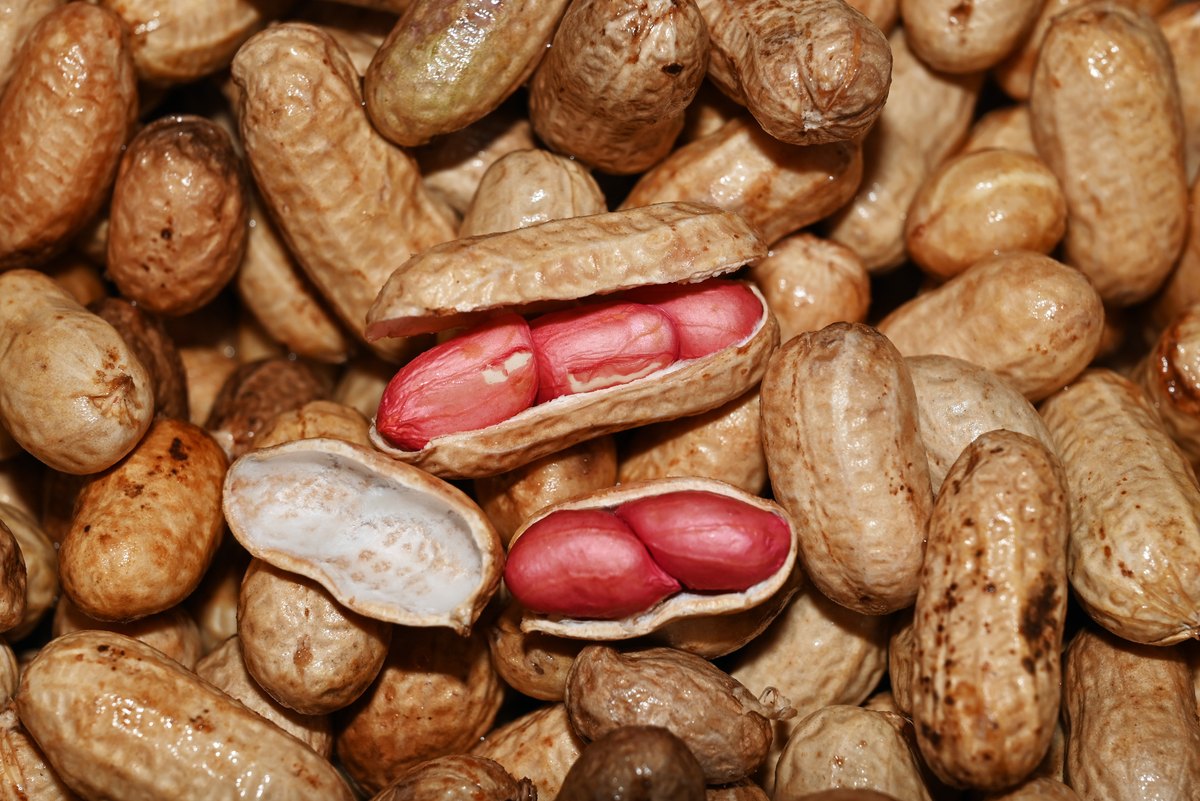
Valencia. Small, round kernels, bright red skins, and the distinguishing feature: three or more kernels in a pod where most types run two. Naturally sweeter than the others. Grown mostly in New Mexico and, importantly, in gardens and small patches all through the South.
⭐ Valencia is the boiling peanut, and this is the one thing everybody agrees on. My own older recipe note says the most flavorful peanuts for boiling are the Valencia type, and every source I checked backs that up. Sweeter, thinner-shelled, more kernels per pod — everything a boil wants.
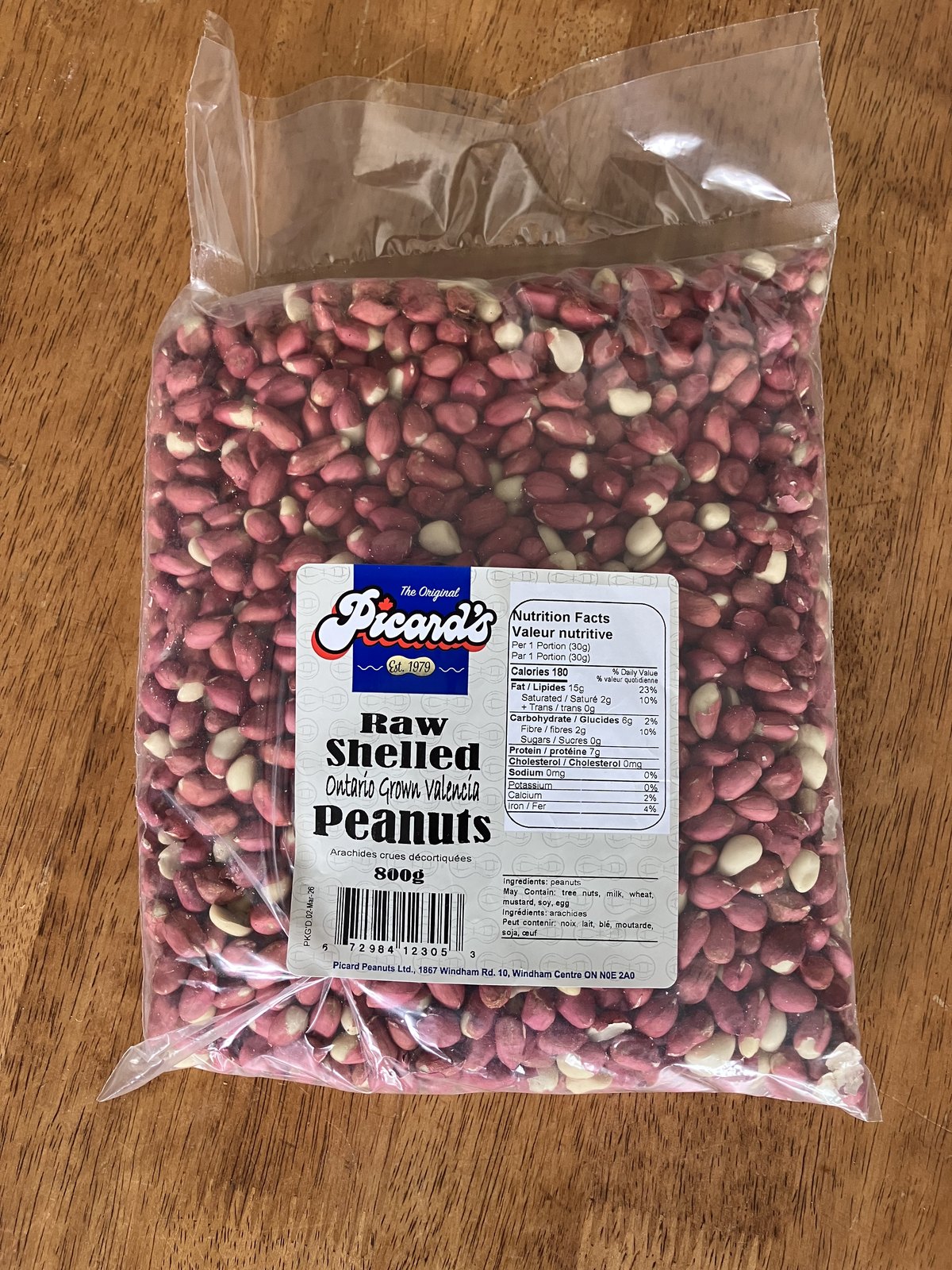
⚠ The catch: Valencia is only about one to two percent of the US crop. It is a garden and farm-stand peanut, not a commodity peanut, which is exactly why the roadside stand has better raw material than the supermarket.
Runner. The American bulk crop — the overwhelming majority of what is grown, most of which becomes peanut butter. Uniform kernels, reliable. Boils perfectly well, and realistically it is what most stands actually get, because it is what exists in quantity.
Virginia. The largest kernels; these are the in-shell peanuts sold for roasting. Big and tasty, but thick shells that boil poorly — the shell takes forever to soften and the brine struggles to get through it. My old note says green Virginias have larger kernels but not as good a flavor for this, and that matches.
Spanish. Small, sweet, notably high oil. They boil, but the high oil content means they go mushy fast if you overcook them — the least forgiving of the four.
⚠ A nickname to avoid: you will see “ballpark peanuts” applied to Valencia by some sources and to Virginia by others. They cannot both be right and it isn’t worth resolving. Ask for the market type by name.
Around the world
China — 红皮花生, “red-skin peanuts.” Both bags on my kitchen counter advertise this on the front, as a selling point, in a badge. China is the world’s largest producer and consumer of peanuts, and its commercial brine-braised product specifies a red-skinned peanut.
⭐⭐ So here is the coincidence. The American South’s preferred boiling peanut is Valencia — small, sweet, multi-seeded, red-skinned. The Chinese commercial standard for the same dish is red-skinned peanuts. Two traditions with no contact, both converging on the same visible characteristic for the same application.
🔴 And here is the honest limit on that. I cannot tell you they are the same peanut. 红皮花生 is a descriptor used across many Chinese cultivars, not a market-type name in the American sense, and China’s peanut classification does not map neatly onto ours. What I can say is that the convergence on small, red-skinned, multi-kernel pods is real, and that it is not an accident: thin red skins carry flavor and pigment into the brine, small kernels cook evenly, and a three-seeded pod gives you more food per shell you have to crack. Different people, same constraints, same answer. That is a better story than a fake genealogy would have been.
Japan — Chiba, and a variety bred for the pot. Chiba prefecture grows over 70 percent of Japan’s peanuts. Cultivation there began with trials on the Kujūkuri plain in 1876, and in the Taishō era (1912–26) drought-resistant Chinese varieties were brought into Yachimata and spread across the Shimosa plateau — so the Japanese peanut crop has Chinese ancestry, which is tidy, because Japan’s boiled peanut also arrived through East Asia.
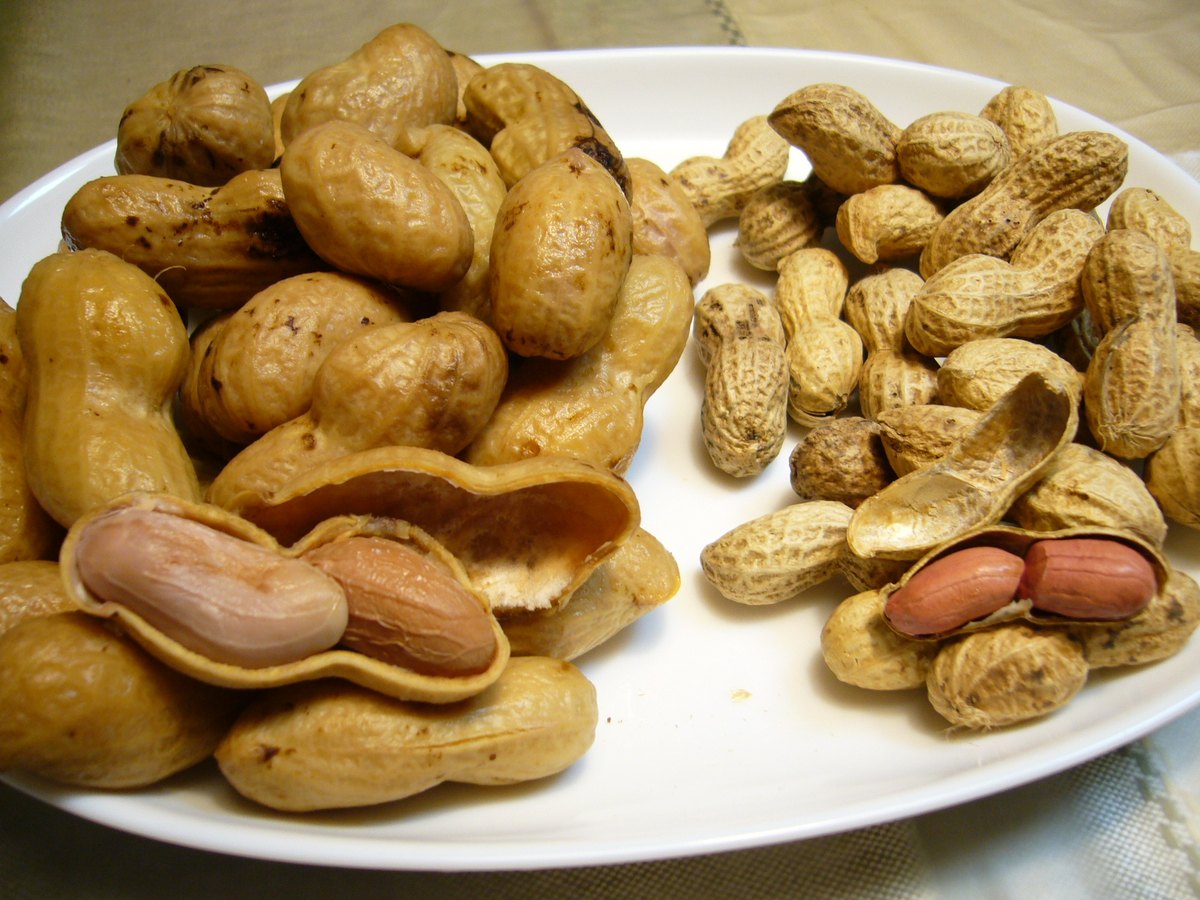
The modern Japanese boiling favorite is a large-podded variety called おおまさり Ohmasari, bred specifically for boiling rather than roasting. ⚠ I have this from secondary sources and have not confirmed it against a Japanese agricultural primary source — treat the name as reported, not verified. Commons has a photograph captioned “boiled big peanuts & normal peanuts, Katori City” showing exactly that size contrast, which is at least consistent.
India. Boiled groundnuts across the producing states, typically smaller kernels, very often shelled and eaten by the handful or built into chaat. Different physical product, different cooking time — see Around Asia.
West Africa. Senegal and Nigeria grow enormous quantities of what everyone there calls groundnuts, and the boiled version is generally the local crop, plain, seasonal. Nobody is sorting for a boiling type; you boil what came out of the ground.
What actually matters, in order
If you cannot get Valencias — and most of the time you cannot — here is the honest priority list:
- 🔴 Green beats every varietal question. A green Runner will make a better boiled peanut than a dried Valencia, every time. Freshness is the whole game.
- Small beats large. Thinner shells, faster brine penetration, more even cooking.
- Then variety. Valencia if you can, Runner if you can’t, Spanish if you’re watching the clock carefully, Virginia last.
I have made good boiled peanuts out of ordinary bagged raw Runners many times. I have never made good ones out of a stale bag, whatever was on the label.
Next: How to Actually Boil Them — salt ratios, four vessels, and the steep.
Comments (0)