An American Nut, an African Kettle
Here is the sentence that reorganized how I think about this food:
The peanut is American. The boiling is African.
Both halves matter, and neither one is the half most people assume.
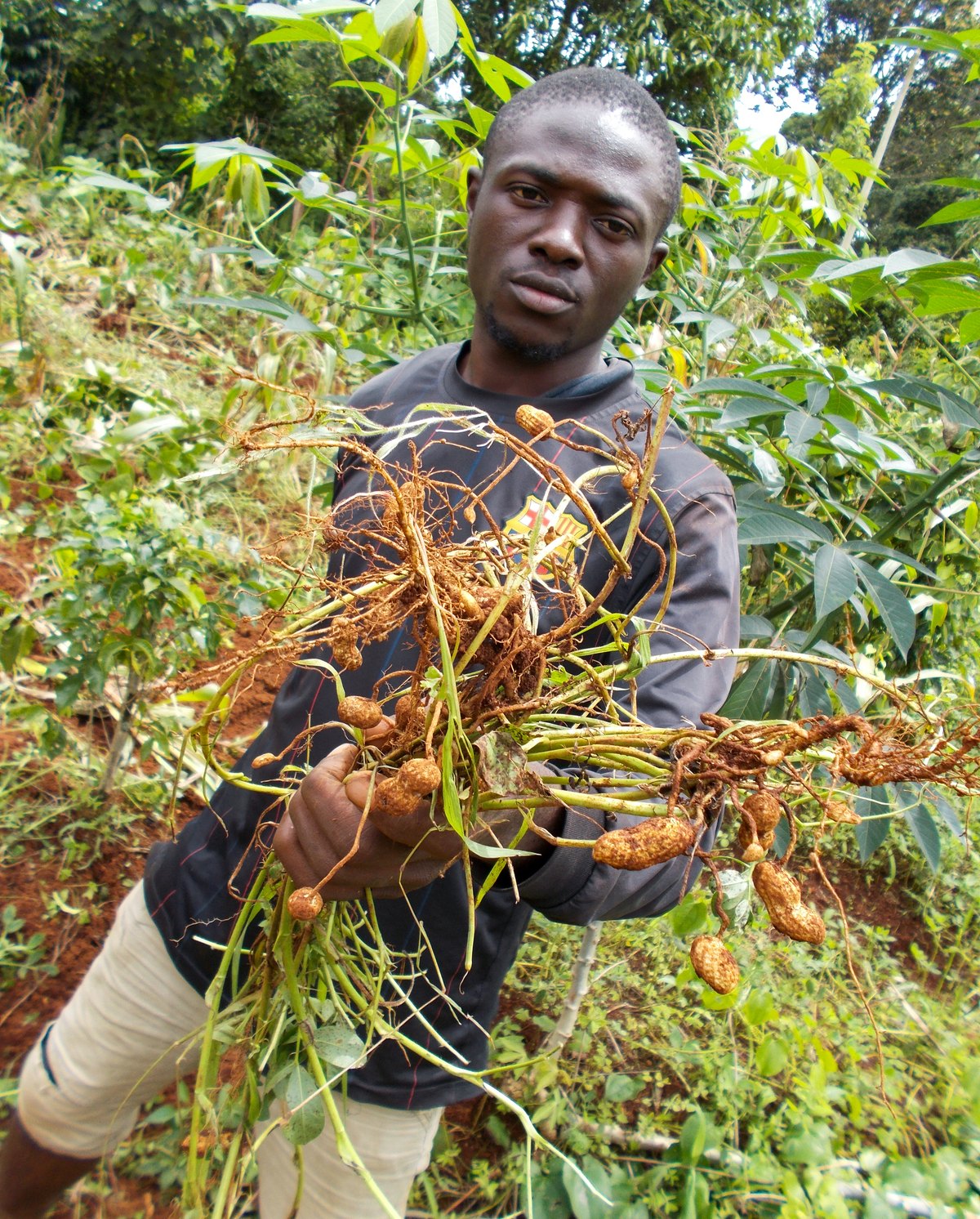
The nut came from South America and left in a Spanish ship
Arachis hypogaea was domesticated in South America — the Andean foothills, in what is now Bolivia and northern Argentina — from two wild ancestor species, on the order of ten thousand years ago. It is a legume, not a nut, and it does something almost no other crop does: after the flower is pollinated, the stalk bends down and buries the developing pod in the soil. That is what hypogaea means. It is why the rest of the English-speaking world sensibly calls it a groundnut, and why a peanut plant comes out of the field looking like a shrub with beads hanging off its roots.
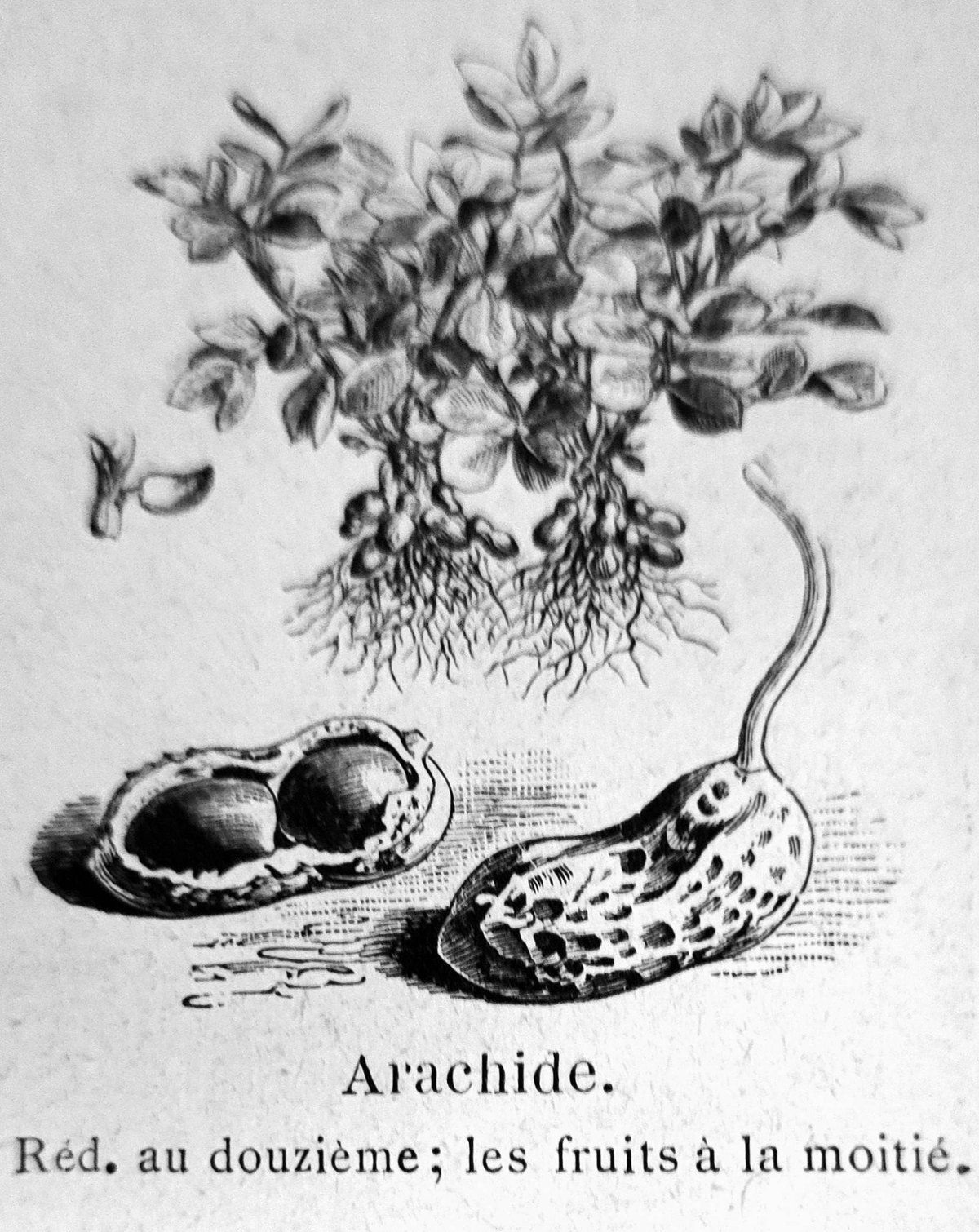
The Spanish carried it back to Europe from the end of the 15th century. And then the Portuguese carried it to Africa, where it landed in exactly the right climate and was absorbed into West African cooking with remarkable speed — fast enough that within a couple of centuries it was so thoroughly domesticated into the cuisine that Europeans arriving later assumed it was native there.
Then it came back across, and it did not come back alone
The peanut returned to the Americas on slave ships, as provision and as cargo, and it came with a way of cooking it already attached. The food historian Michael Twitty puts the whole argument in one line:
“Boiled peanuts in every Southern gas station? That’s Senegal.”
That is the part the roadside-stand mythology usually leaves out. The turkey fryer on Lady’s Island is not a Southern invention that happens to use an imported crop. It is a West African cooking method, carried by enslaved West Africans, applied to a South American plant, on North American soil. Three continents in one paper bag.
Goober
Nobody at Charlie’s could tell me why they were called goobers. Here is why.
⭐ “Goober” comes from nguba, the word for peanut in Kikongo and Kimbundu — Bantu languages of west-central Africa. It enters written American English around 1833. It is one of a small handful of everyday American food words that came directly out of the languages of enslaved Africans, and it survives in the Gullah form guber as well.
Which means that of all the places in America to first hear the word, Beaufort is close to the best one. The Sea Islands around Beaufort and St. Helena are the heartland of Gullah Geechee culture — the most continuously African-rooted community in the United States, and a place where West African words, foodways and language patterns survived in a way they did not elsewhere. I heard “goober” in a bar in the middle of Gullah country and was told nobody knew where it came from. It came from about four blocks away, culturally speaking.
“Goober peas” is the older name for the food. The other regional word, pindar, has a similar origin.
”Goober Peas,” the song
The best-known artifact of the word is a piece of sheet music published in 1866 in New Orleans by A. E. Blackmar. It is a comic song about Confederate soldiers in the late war, cut off from the rail lines and their own farmland, with nothing much left to eat but boiled peanuts.
The chorus is the part everybody knows — the word peas four times over and a line about how delicious they are, sung by men who plainly had nothing else. It is funny and it is not, which is about right for 1866.
⭐ Blackmar credited the lyrics to “A. Pindar” and the music to “P. Nutt.” Both are jokes. Pindar is the other regional word for peanut, and P. Nutt needs no explanation. It is a publisher’s gag printed on the cover of a piece of sheet music in 1866, and it has fooled catalogers ever since.
⚠ One correction worth making: this is a postwar publication about the war, printed in 1866, after Appomattox. Plenty of retellings imply soldiers were singing off this sheet in camp. They were not — the song may well have circulated in the ranks, but this printing is a memory of the war, not a document from inside it.
Georgia soldiers, incidentally, were nicknamed “goober grabbers.”
The first written recipe comes from somewhere nobody expects
The first recorded recipe for boiled peanuts was published in 1899, in a book of roughly a thousand recipes called Guide for Nut Cookery: Together with a Brief History of Nuts and Their Food Values.
⭐ Its author, Almeda Lambert, was a Seventh-day Adventist writing a vegetarian nut cookbook.
Sit with that for a second. The earliest printed record we have of a food that is now the definitional snack of the coastal South comes not from the South at all, but out of the American health-food movement — the same Adventist vegetarian-nut-cookery world that a few years later gave us commercial peanut butter and breakfast cereal. A roadside snack sold out of a propane kettle in Beaufort got written down for the first time by a temperance vegetarian documenting nut protein.
⚠ It is worth being precise: this is the first recorded recipe. People had obviously been boiling peanuts for generations before anyone printed instructions. The absence of an earlier recipe tells you about who was writing cookbooks, not about who was cooking.
The rest of the paper trail
- 1925 — boys selling boiled peanuts as a street snack in Orangeburg, South Carolina.
- Through the 20th century the habit settles into a broad range: North Carolina south to central Florida, west to Mississippi, with outposts well north of that.
- ⭐ 1 May 2006 — South Carolina makes the boiled peanut its official state snack, bill H.4585, signed by Governor Mark Sanford. Fifteen years after I bought that first dollar bag in Beaufort, the state made it official.
Why it was a harvest food first
None of this started as a snack business. Peanuts come out of the ground in late summer, all at once, and green peanuts are wildly perishable — they are wet, and they will not wait. A farm with a surplus at the end of August had a few days to do something with it.
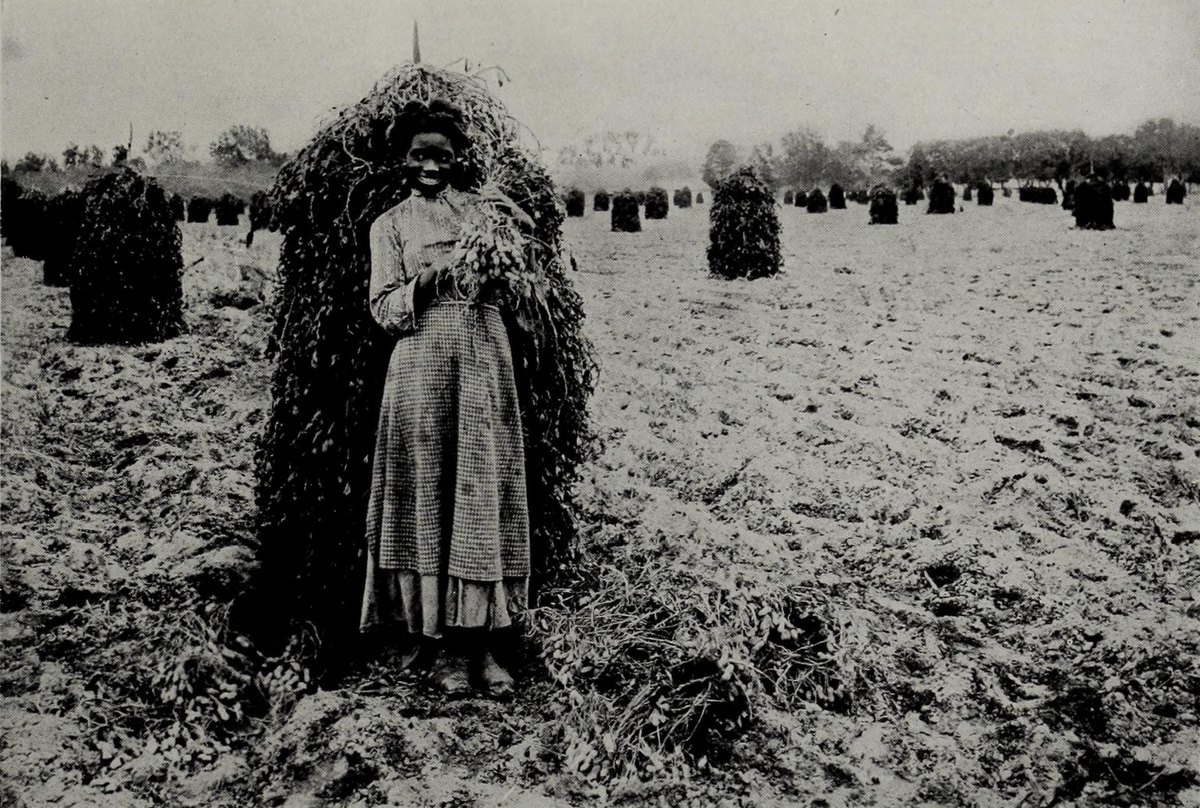
So you boiled a great deal of it at once, in the biggest pot available, outdoors, over whatever fire you had. And because you had just produced far more hot salty food than one household could eat, people came over.
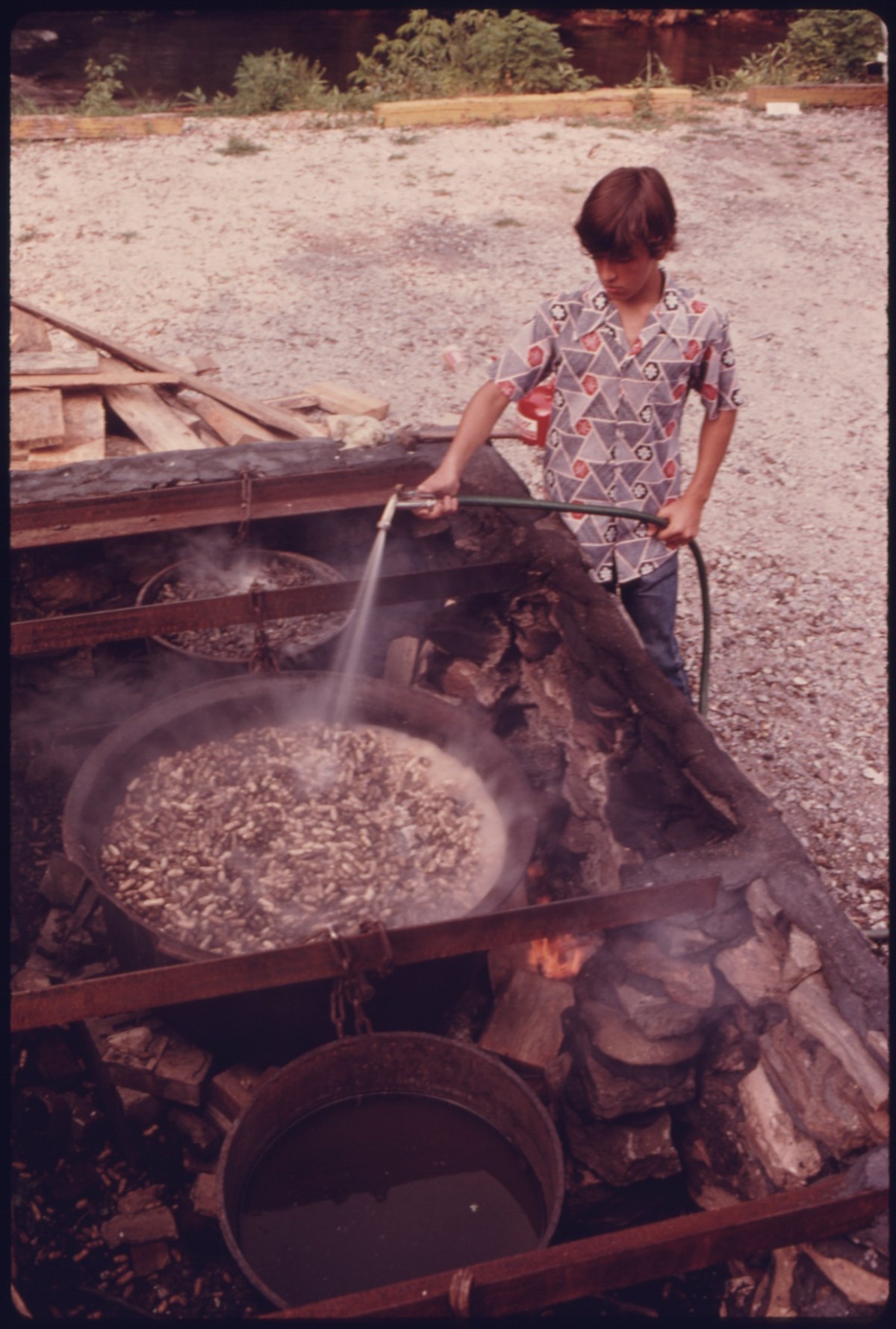
⭐ That is what a peanut boil is: a fish fry with peanuts in it. The same social machinery as a crawfish boil, a clambake, or a hog killing — a preservation problem solved by inviting the neighbors. The roadside stand is the commercial descendant of that, and the stand on Lady’s Island was running on the same logic as an 1890s farmyard: there is more of this than we can eat, and it won’t keep.
Which is the thread that runs through the rest of this section. What do you do with it after the boil? Everyone who has ever made boiled peanuts has had to answer that, and the answers are the interesting part.
Next: Green, Raw, or Just Dry — the single distinction that decides whether your batch works.
Comments (0)