Africa, and the Boat Both Ways
This is the page that reframes everything else. If you read only one page of this section besides the drift, read this one.
Boiled peanuts did not spread from the American South to the world. They arrived in the American South from West Africa, and everything I have been calling “the original” is a branch.
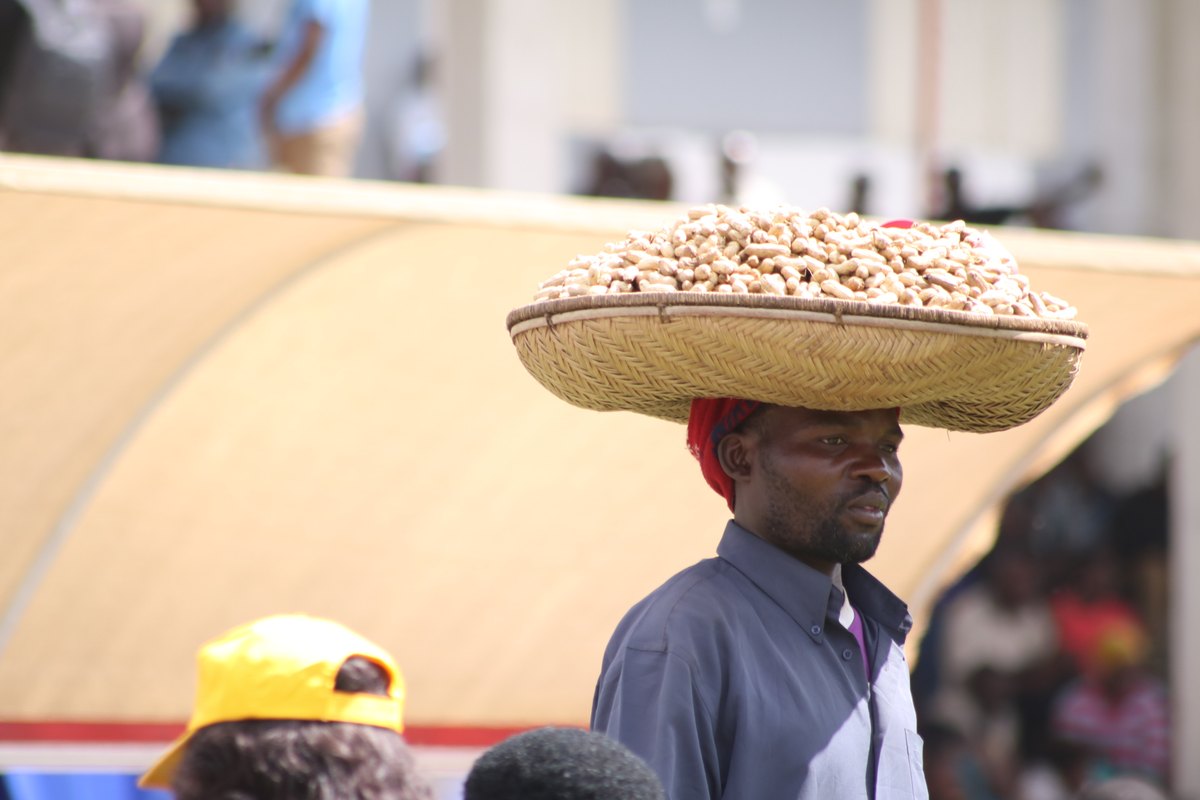
The round trip
The peanut is South American. It went to Europe with the Spanish, and the Portuguese took it to West Africa, where it landed in ideal growing conditions and was absorbed into the cooking with extraordinary speed — into stews, into sauces, into oil, and into a pot of salted water.
Then it came back across the Atlantic in slave ships, as cargo and as provision. And the practice of boiling it came too, in the heads and hands of the people being transported.
⭐ Michael Twitty’s line is the one to remember:
“Boiled peanuts in every Southern gas station? That’s Senegal.”
Which means the propane kettle on Lady’s Island is not a Southern invention. It is a West African technique, carried by enslaved West Africans, applied to a South American plant, on North American soil, and eventually sold to a Marine from Michigan for a few dollars a bag. Every continent involved except Australia and Antarctica, in one paper sack.
And the word came with it — goober, from Kikongo/Kimbundu nguba — which is why I heard it in a bar in the heart of Gullah Geechee country and nobody could tell me where it came from. The answer was the culture the bar was standing in.
🇸🇳 Senegal
One of the largest peanut producers on earth, to the point that the crop shaped the colonial economy and the modern one. Groundnuts, universally, never “peanuts.”
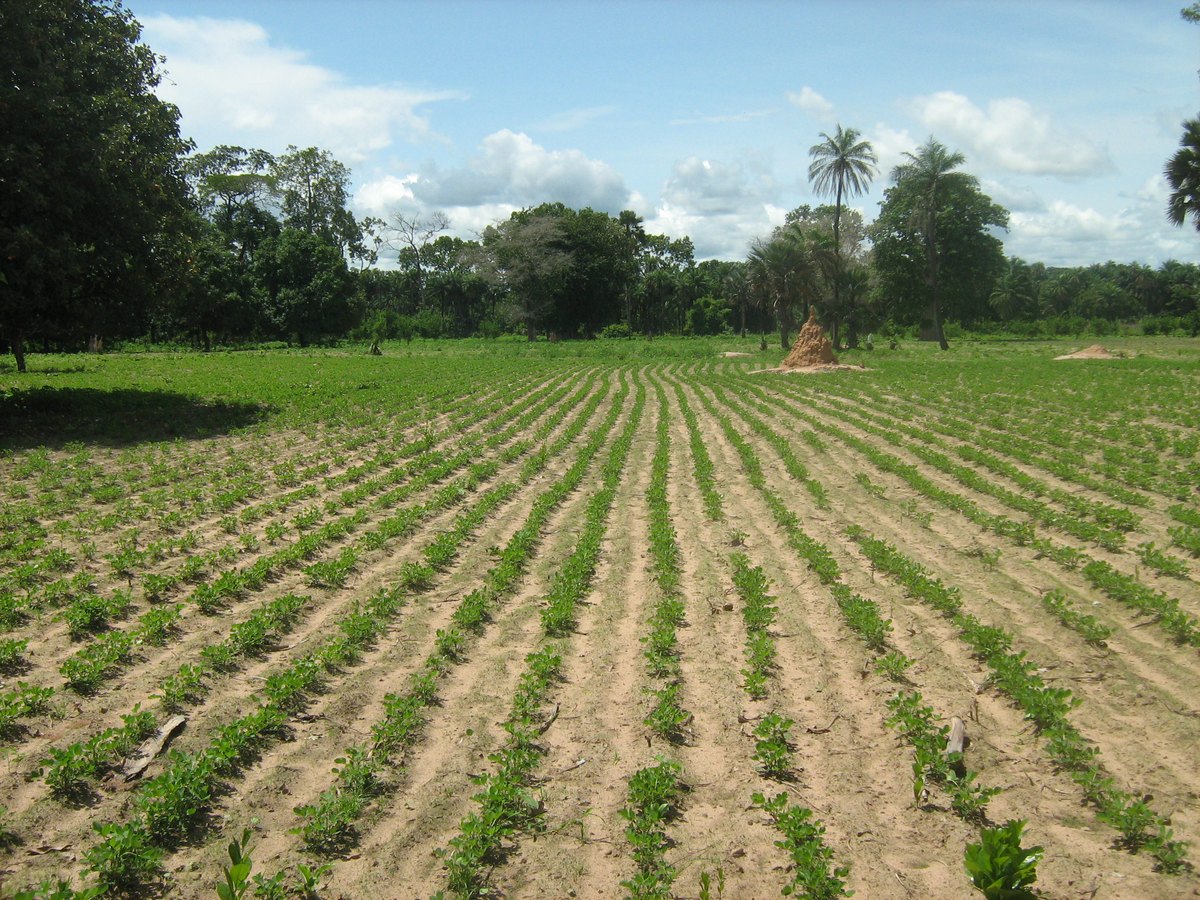
Boiled peanuts are street-vendor food and home food, seasonal, sold hot. The seasoning is plain salt — and sometimes they are toasted after boiling, which is a technique I have not seen anywhere else and intend to try, because a boiled-then-toasted peanut sounds like it would have the creamy interior with a dried, concentrated exterior.
They’re eaten with tea, in the long social ritual of ataya, which puts them in the same seat as Vietnam’s beer snack and China’s 凉菜.
Recipe: Senegalese Boiled Groundnuts
⭐⭐ And then there is the single best fact in this entire section.
Chef Serigne Mbaye is Senegalese and cooks in New Orleans, at Dakar NOLA. He boils slightly unripe green peanuts with crawfish-boil spices and honey.
Look at what that dish is. It is the Senegalese original and the Louisiana end of my gradient in the same pot, cooked deliberately, by someone who belongs to both. I spent ten years driving west from Beaufort noticing that the seasoning got heavier as I approached Louisiana, and never once considered that the road kept going — east across the Atlantic, back to where the technique came from in the first place. The gradient is a loop.
🇳🇬 Nigeria · 🇬🇭 Ghana
Grown heavily in northern Nigeria and across Ghana. Sold at the roadside, plain, salt only. Chef Dassy describes them as a seasonal road-trip food — you buy them from a vendor on a long drive, which is, again, precisely the Southern gas-station pattern.
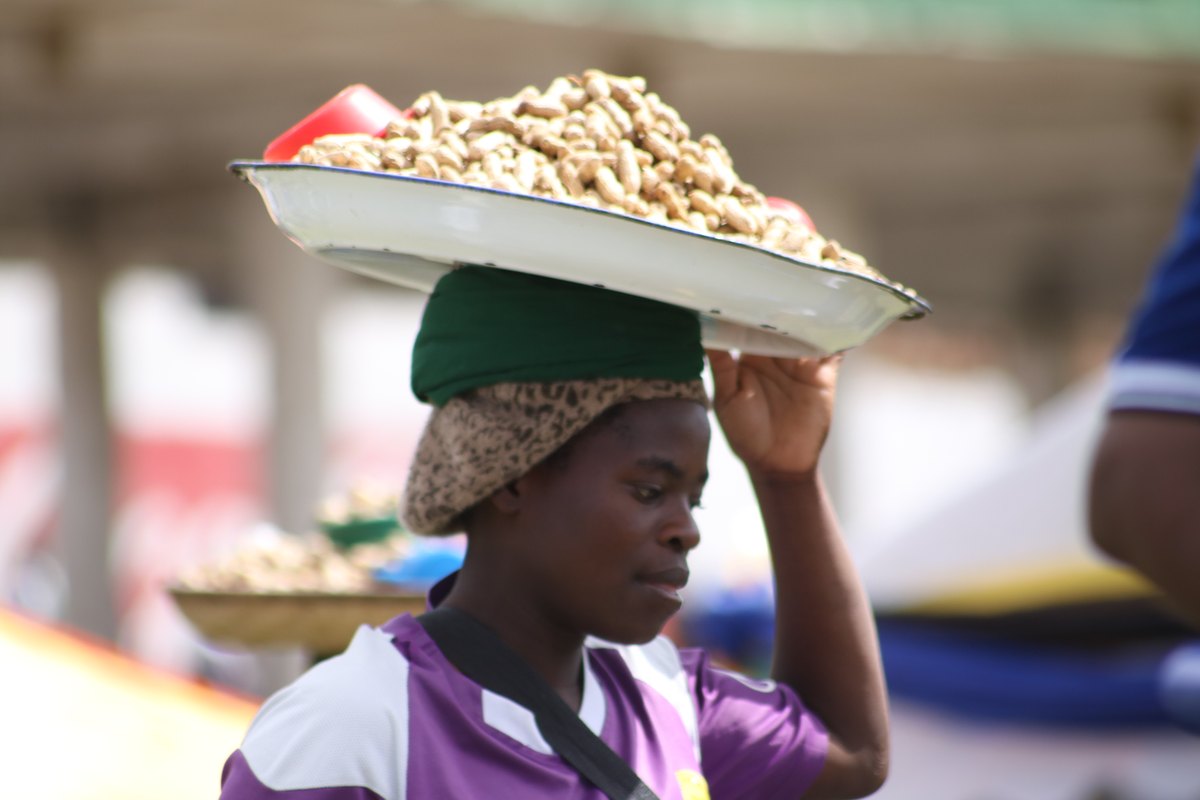
⭐ Some people eat the shells. I had not encountered that anywhere else, and it makes a certain sense: a properly boiled shell is soft, and after six hours it has given most of its extractable material to the brine anyway.
🇿🇦 South Africa
Popular particularly in KwaZulu-Natal. Same form — boiled, salted, sold as a snack.
🇧🇷 Brazil — the other side of the same trade
Bahia eats boiled peanuts as street food, and Bahia is the part of Brazil with the deepest West African culinary inheritance — the same Atlantic trade that carried the technique to South Carolina carried it to Salvador. Bahian cooking is full of these connections; acarajé, the black-eyed pea fritter, is a straight descendant of West African akara.
⭐ So the boiled peanut landed at least three separate times in the Americas from the African side of the trade — the Carolinas, the Gulf, and Brazil — and independently again across the Pacific in the Philippines via the Spanish, and in China via the Portuguese.
⚠ One thing to keep out of the boiled list: Mexico’s cacahuates japoneses are a coated, fried peanut snack invented in Mexico City by a Japanese immigrant, Yoshigei Nakatani. Great story, wonderful snack, not a boiled peanut — it turns up in peanut round-ups constantly and doesn’t belong here.
What this changes about the Southern story
I want to be careful not to overcorrect. The South did not merely receive boiled peanuts; it did something with them. The seasoning gradient is genuinely American — Zatarain’s and halved oranges and jalapeños are not West African. The roadside-stand economy, the peanut boil as a social institution, the state-snack legislation, the specific reverence for the green Valencia: that is all real and local and worth being proud of.
But the thing itself is not from there. And the word for it is not from there. And knowing that makes the food better rather than smaller — it turns a regional curiosity into one branch of something that runs across three continents and five hundred years.
⭐ The best evidence that this is one tradition and not several: the plainest version and the oldest version are the same recipe. Senegal boils peanuts in salted water and eats them with a drink. South Carolina boils peanuts in salted water and eats them with a drink. Everything else — the crab boil, the star anise, the turmeric, the halved oranges — is decoration on a technique that crossed the ocean intact.
Next: Hawaii — where the two halves of this story ran into each other by accident.
Comments (0)