Greens and Pot Likker
This is the best-documented argument in Southern food, and it is about whether you dunk your cornbread or crumble it.
Not a metaphor. An actual public fight, in newspapers, between a US senator and a newspaper editor, that ran for the better part of a month.
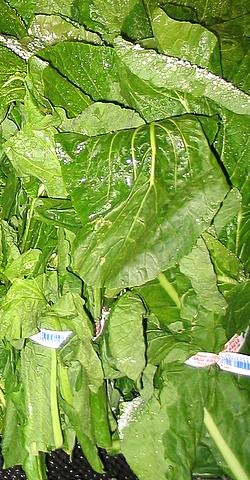
What pot likker is
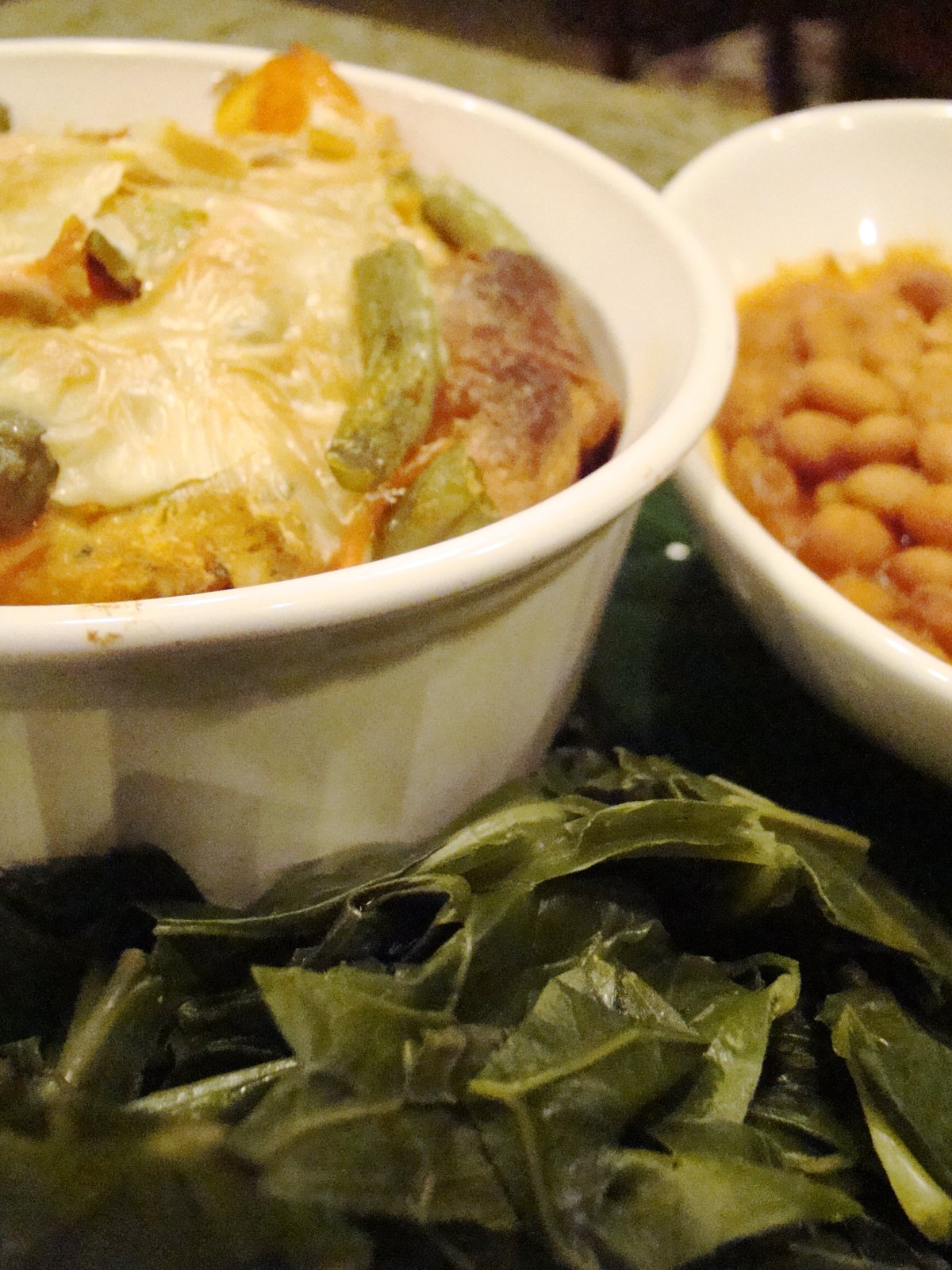
Pot likker is the liquid left in the pot after greens have been cooked long and slow with a piece of pork.
Collards, turnip greens, mustard greens, kale — cooked for hours with a ham hock, salt pork, smoked turkey or pickled pork, until the greens go soft and the water goes dark and salty and deeply savoury.
⭐ It is not a by-product, and the name says so. Calling it likker — liquor — is the tell: the good part of the pot. The greens are almost incidental to a lot of people; the broth is what they’re after, and it gets drunk from the bowl or sopped up.
The nutritional argument for it is real and was understood long before anyone measured it. Long cooking leaches water-soluble vitamins and minerals out of the leaves and into the water. Throwing that water away throws away much of what you cooked. In the era of pellagra and chronic malnutrition across the rural South, that was not a fine point.
Recipes: Southern Collard Greens · Slow-braised Collard Greens · Wilted Mustard Greens with Pot Likker · Kilt (Cooked) Greens Sandwich
⭐ February 1931: dunk versus crumble
Here is the story, and it is better than the folklore version because it actually happened.
In February 1931, Julian Harris — an editor at the Atlanta Constitution, and a Pulitzer winner — took a public swipe at Huey Long, the senator-elect from Louisiana, over how Long ate his cornbread with pot likker.
Long dunked. Harris said you crumble.
That is the entire substance of the disagreement, and it escalated immediately. The Constitution received more than six hundred letters. The argument ran in the paper for nearly a month. People took sides in print, at length, about the physical handling of cornbread.
⚠ Do not read it as purely comic. It’s February 1931 — the Depression is closing in, and Long is building the populist platform that made him one of the most consequential and alarming figures in American politics. An argument about the correct handling of the cheapest food on the table was, among other things, an argument about who gets to speak for ordinary people. Both men knew exactly what they were doing.
🔴 And the primary source is better than the anecdote
The dunk-versus-crumble story circulates as folklore, so I went looking for something harder, and the US Senate’s own historical record provides it.
Long was a famous filibusterer. During the filibuster of 12–13 June 1935 — which ran fifteen hours and thirty minutes — the Senate’s history notes that, having exhausted his prepared material, Long provided his recipes for fried oysters and pot likker.
⭐ A sitting United States senator read a pot-likker recipe into the Congressional Record to burn clock. That is a primary source, not a story somebody’s uncle tells, and it is the single best fact in this section.
Source: senate.gov, on Huey Long’s filibusters.
How it is actually eaten
Both camps, described fairly:
Crumble — cornbread broken into the bowl, pot likker poured over, eaten with a spoon. You get an even sop and the bread goes soft throughout. This is Harris’s position and it is, functionally, the same manoeuvre as cornbread in buttermilk.
Dunk — a wedge held in the hand, dipped, bitten, dipped again. You keep a dry edge and a crust. This is Long’s position and I think it’s the better eating, for whatever a Michigander’s opinion is worth here.
⭐ Note that the crumble camp is the one that treats pot likker as a soup and the dunk camp treats it as a sauce. That’s the actual disagreement underneath the etiquette, and it’s why neither side was ever going to concede.
The greens themselves
Collards are the sturdiest and the slowest — they’ll take hours and want it. Turnip greens are sharper and cook faster, and you get the turnips too. Mustard greens are peppery and the quickest of the three. Kale works and is the one everybody in the rest of the country reached for eventually.
⭐ A frost genuinely improves collards. Cold weather converts starches to sugars in the leaf, so greens picked after the first frost are sweeter and less bitter. That’s a real mechanism, not a saying — which is why collards are winter food and why so many Southern households eat them on New Year’s Day.
The pork is structural, not a garnish. Smoked hock, salt pork, fatback or pickled pork delivers salt, fat and smoke into the water over hours. That’s what makes the likker worth keeping.
Also on the table: Poke Salat — and note the recipe’s own title says properly prepared, because pokeweed is genuinely toxic raw and requires repeated boiling with changes of water. It is on this list as a foraged famine green that people knew how to handle, not as something to experiment with casually.
Next: Hillbilly Lunches — the working food, and a word nobody can actually explain.
Comments (0)