What Is Actually Happening in the Pan
Four cuisines, four vocabularies, one chemistry. This is the page that explains why every good curry method on this site has the same shape.
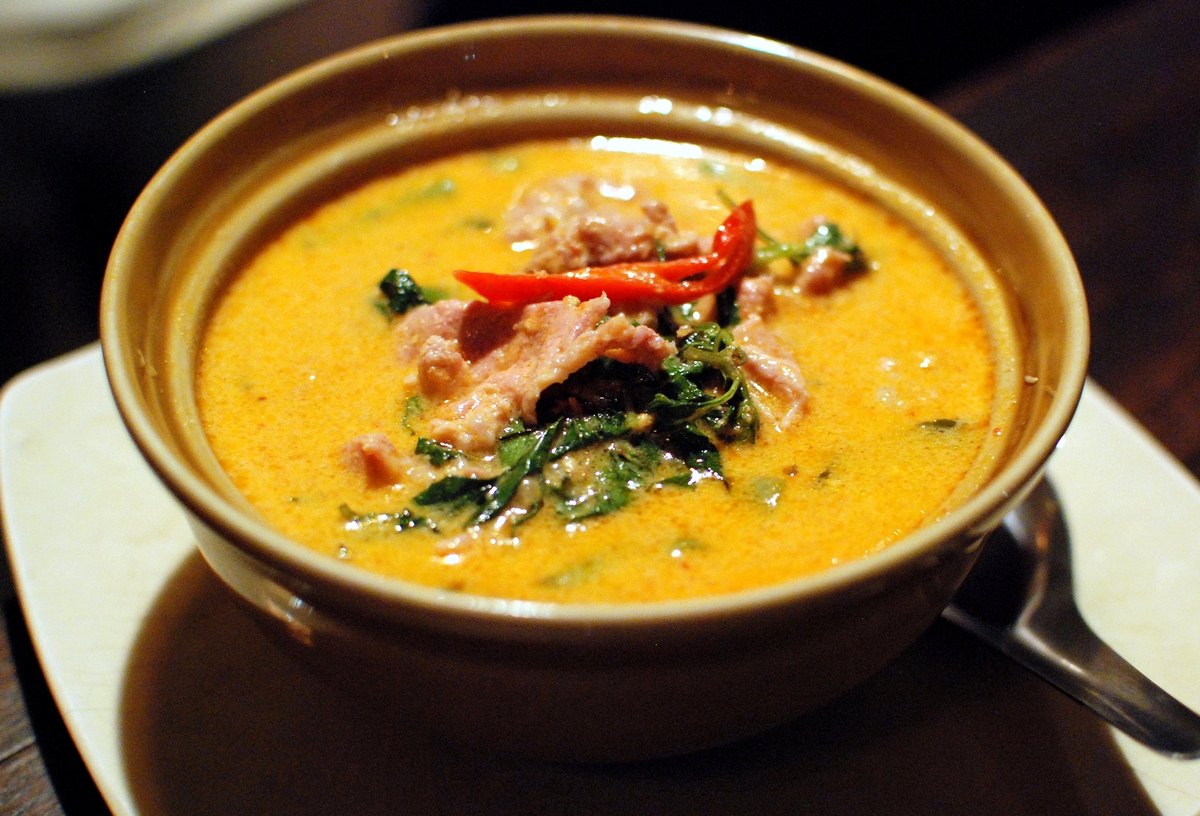
Everything important here is fat-soluble
The compounds that make spices taste and smell of anything — the terpenes, the phenols, curcumin, capsaicin, piperine, the whole lot — are overwhelmingly lipophilic. They dissolve in fat and they largely do not dissolve in water.
That one fact explains an enormous amount:
- Why you bloom spices in oil rather than stirring them into a simmering pot.
- Why a fat-free curry tastes thin no matter how much spice goes in.
- Why the flavour distributes evenly once the fat carries it — oil disperses through the whole dish, so a spoonful from any part tastes the same.
- Why milk helps with chili burn and water does not. Capsaicin is fat-soluble; water just moves it around your mouth. Milk, yoghurt, coconut milk and lassi all work. Beer does not.
Every cuisine on this site arrived at the same solution independently, and gave it a different name:
| Cuisine | The step | The fat |
|---|---|---|
| North Indian | bhuna — frying the masala until the oil separates | ghee or oil |
| South Indian | tarka / tadka / chhonk — spices popped in fat, poured over | ghee, coconut or sesame oil |
| Thai | cracking the cream, frying the paste | coconut fat from the cream itself |
| Japanese | toasting the spice into a butter-and-flour roux | butter |
The Japanese one is my favourite because it is so obviously an import: it is a French mother sauce technique doing the job an Indian cook does with ghee, because the recipe came through Britain. Same chemistry, completely different genealogy.
”The oil breaks out” is the doneness signal — in two cuisines
Watch for the same visual cue in both traditions:
- Indian: you cook the onion-tomato base until the oil separates and pools at the edges of the pan. That is how you know the base is cooked out and no longer raw.
- Thai: you cook the coconut cream until it breaks and releases clear oil — แตกมัน / taek man, “the fat breaks out” — and the same sheen returning to the surface at the end tells you the curry is finished.
Two cuisines, two languages, the same visual test, and neither borrowed it from the other. It is just what a properly reduced emulsion looks like.
Turmeric, black pepper, and a number to be careful with
You will read everywhere that black pepper multiplies turmeric’s absorption by 2000%, and that this is why the two are traditionally used together.
The claim traces to one study — Shoba et al., 1998 — which gave volunteers 2 g of curcumin with 20 mg of piperine and reported roughly a twenty-fold increase in bioavailability.
Worth knowing what that study was: twenty participants, and it has not been replicated at that magnitude. Later work generally finds a real effect but a smaller one. The mechanism is plausible and reasonably well understood — piperine slows the liver’s glucuronidation of curcumin and increases intestinal permeability, so the curcumin hangs around longer.
⚠ So: the effect is real, the specific number is a single small study repeated far past its weight. And the practical point is unaffected. Turmeric and pepper are used together traditionally, turmeric does need fat regardless, and none of that depends on the figure being exactly twenty-fold.
I would also say plainly: I am writing about cooking, not medicine. The amount of turmeric in a curry is not a therapeutic dose of anything, and this dive makes no health claims.
Onions: the step nobody spends long enough on
If a home curry tastes thin and one-dimensional, the odds are it is the onions.
A restaurant Indian gravy has onions cooked fifteen to forty minutes, until they are deeply browned and their volume has collapsed to a fraction. That is where the body and the background sweetness come from, and there is no shortcut — the sugars have to caramelize and the water has to leave.
Three things that help:
- More fat than feels right, and a wide pan so the water evaporates instead of steaming.
- A pinch of salt early — it draws water out and speeds the collapse.
- Do not stir constantly. Browning needs contact time.
Thickening: everyone does it differently
- Indian — reduction, plus a nut paste (cashew, almond), yoghurt, cream, or ground gram flour. Also just the collapsed onion itself.
- Thai — reduction and the coconut fat. Traditionally no starch at all. If your Thai curry is watery, the answer is to reduce it, not to add cornflour.
- Japanese — flour roux. This is why Japanese curry is the thick, gravy-like one and why it is the odd one out texturally.
- Southeast Asian — candlenut, ground into the paste, doing the same job a cashew paste does in a korma.
Fixing a curry
| Problem | Cause | Fix |
|---|---|---|
| Thin and watery | Too much liquid; no reduction | Simmer uncovered. Do not add starch to a Thai curry. |
| Tastes raw / dusty / chalky | Spices not bloomed | Push everything to one side, add fat, fry the spice in it |
| Flat, “missing something” | Under-salted or no acid | Fish sauce (Thai), salt, then lime or tamarind |
| Harsh and sharp | Under-cooked base | It needs time, not more spice |
| Bitter | Burnt spice, or too much fenugreek/turmeric | Sugar and dairy mask it; badly burnt spice, start over |
| Too hot | — | Coconut milk, yoghurt, cream, sugar. Not water. |
| Coconut milk split unpleasantly | Boiled too hard after the milk went in | Usually fine and traditional; if you want it smooth, keep it below a rolling boil |
| Curry powder tastes of nothing | It is old | Ground spice dies. Replace it. |
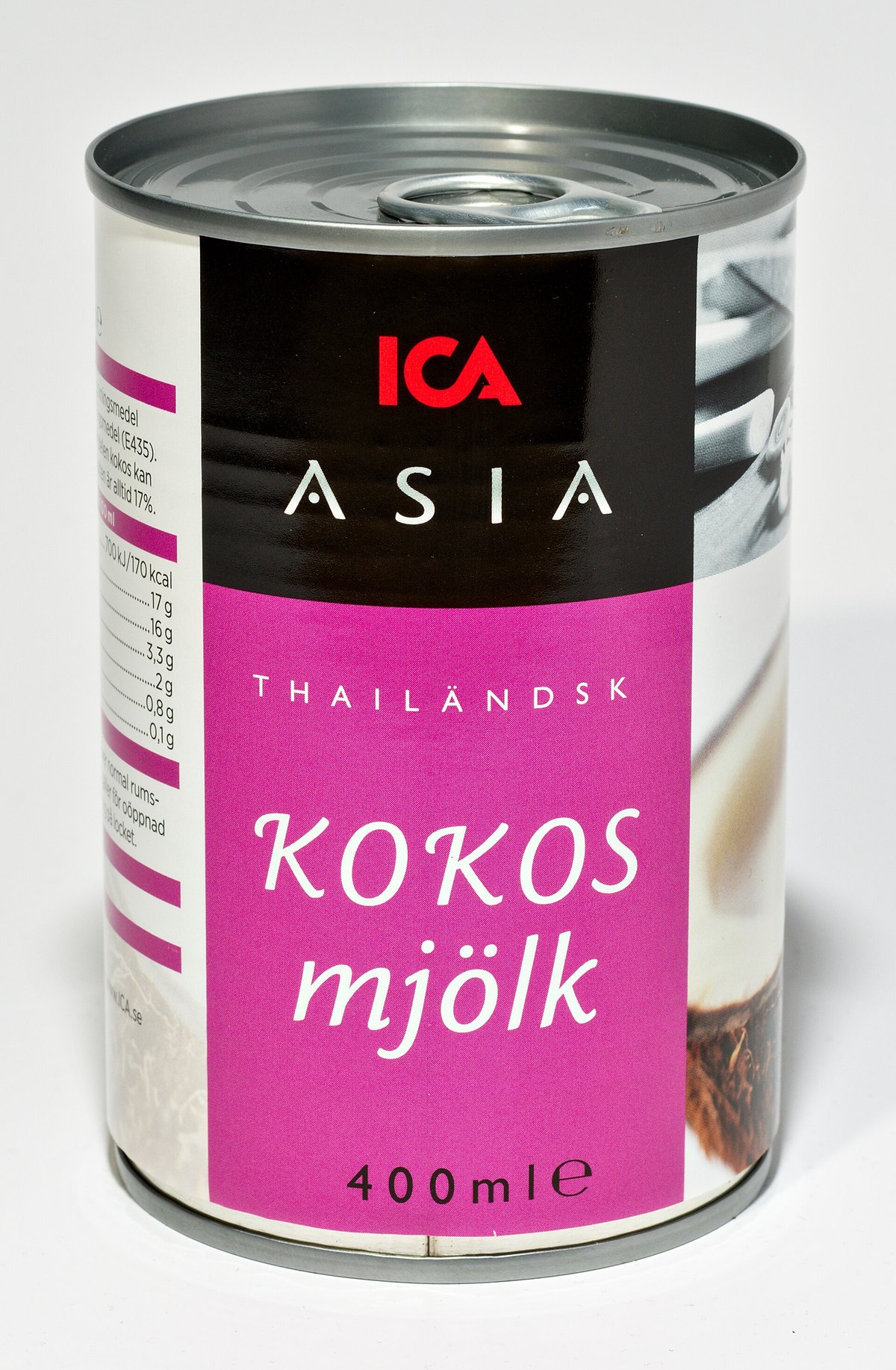
Coconut milk: read the can
- Full fat. “Light” coconut milk is mostly water and will not crack, so you cannot fry the paste in it and you lose the technique entirely.
- Do not shake the can if you intend to separate the cream off the top.
- Emulsifiers (guar gum, polysorbate) are added by many brands specifically to stop the separation you want. A can that separates in the pantry is a good sign, not a fault.
- Coconut cream (thicker) and cream of coconut (sweetened, for cocktails) are not the same thing, and the second one will ruin dinner.
Salt, sweet, sour, heat
Every curry tradition balances the same four, with different tools:
| Thai | Indian | Japanese | |
|---|---|---|---|
| Salt | fish sauce | salt | soy sauce, salt |
| Sweet | palm sugar | onion, sugar, cream | apple, honey, ketchup |
| Sour | tamarind, lime | tomato, yoghurt, amchoor, lime | Worcestershire, ketchup |
| Heat | fresh + dried chili | chili, black pepper | very little |
Season at the end and off the boil, and taste it with rice — a curry seasoned to taste right on its own is nearly always under-seasoned once it is diluted by the starch it is served with.
Comments (0)