Japanese Curry
The one case where “curry” is the right word — because Japan imported the word and the food in the same crate. And the story of how it got there is the strangest chain in this whole dive.
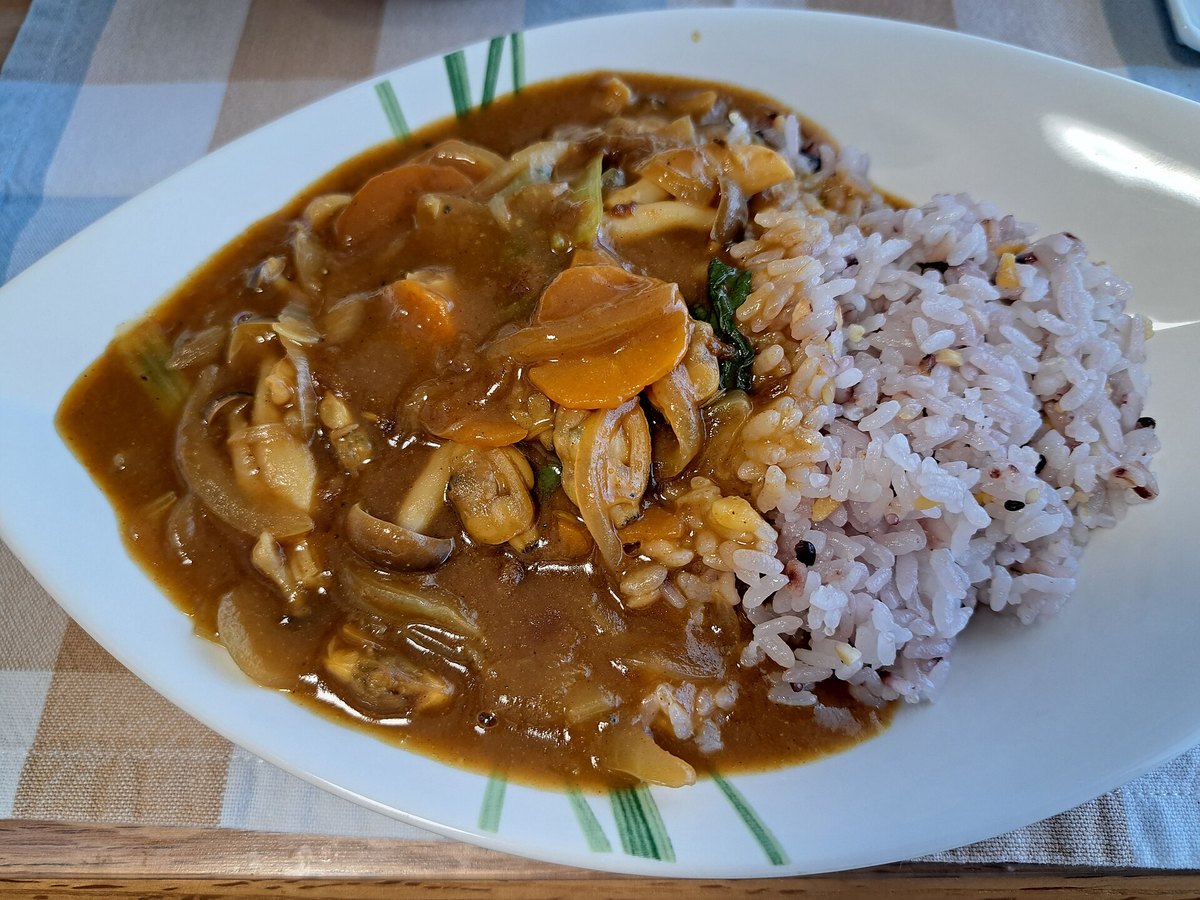
It did not come from India. It came from the Royal Navy.
Japan did not get curry from its Asian neighbours. It got it in the Meiji era, from Britain, as part of a deliberate program of Westernization — and specifically through the navy.
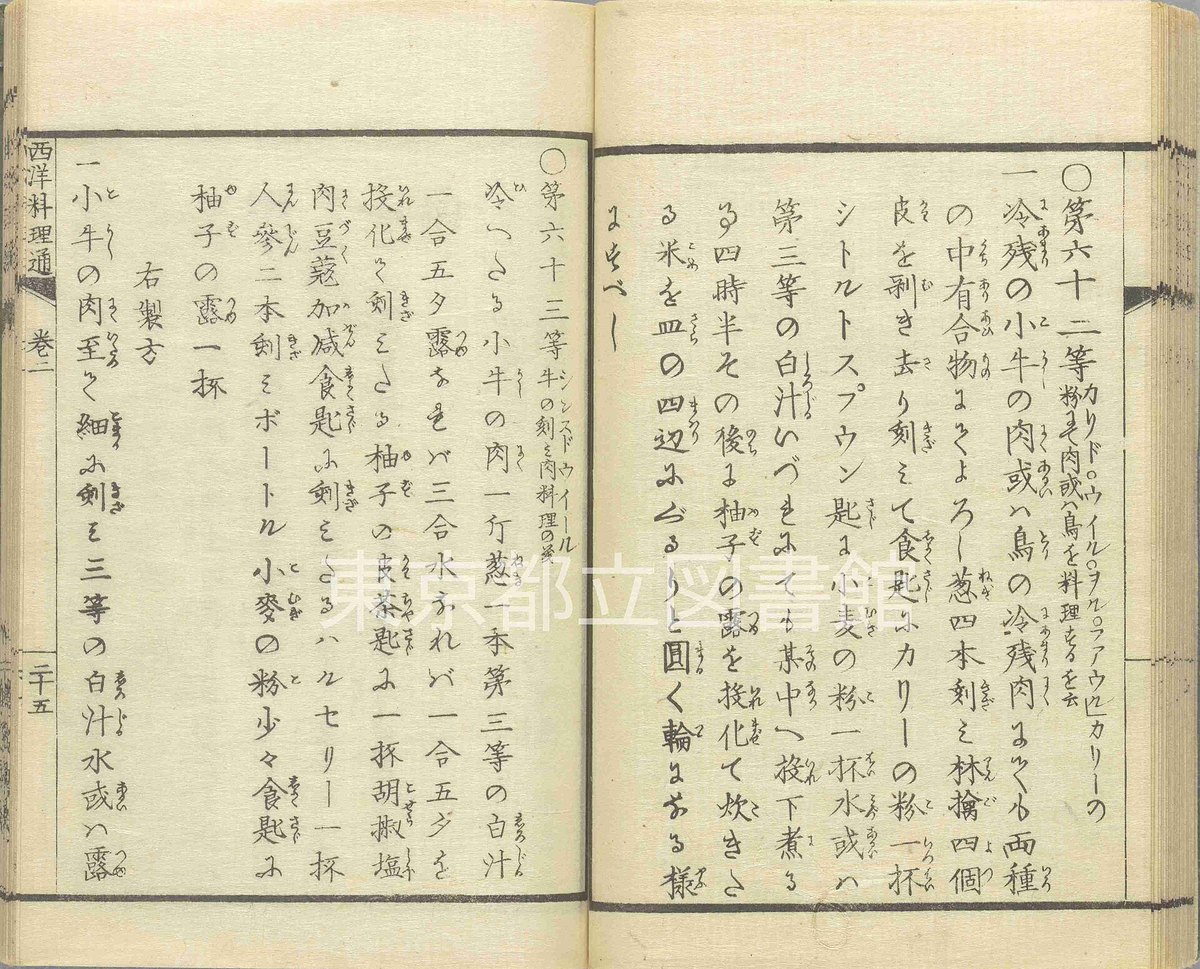
The first published karē raisu recipe in Japan appears in 1872, in a book of Western cooking. By 1877 a Tokyo restaurant had it on the menu. It arrived as a Western dish, filed alongside beef stew and croquettes, not as an Asian one.
And then a doctor made it compulsory
This is the part I did not know and think is genuinely remarkable.
The Imperial Japanese Navy had a beriberi catastrophe. Beriberi is thiamine (vitamin B₁) deficiency, and the cause was polished white rice — which was a status food, a sign that the navy fed its men well, and which had had the thiamine milled out of it. Recruits ate little else.
Takaki Kanehiro, a naval physician trained in Britain, made the connection. He had the numbers: on a nine-month 1883 training voyage, 169 of 376 men developed beriberi and 25 died. He petitioned the Emperor to fund a controlled comparison — same ship, same route, different diet, with more barley, meat, milk, bread and vegetables.
The 1884 repeat voyage came back with 16 cases out of 333, and no deaths.
Curry — meat, vegetables, flour, all over barley-mixed rice — was an efficient way to deliver that diet to a lot of sailors from one pot. So it went into the naval ration and stayed there.
⚠ One nuance worth keeping honest: Takaki’s own theory of why it worked was not correct — he reasoned in terms of a nitrogen-to-carbon ratio in the diet, not a missing vitamin, because vitamins had not been discovered yet. He got the intervention right and the mechanism wrong. That is not a knock on him; it is how a lot of good medicine has worked.
The Japan Maritime Self-Defense Force still serves curry on Fridays. That is not a marketing gimmick — it is a continuous naval tradition roughly a hundred and forty years old, and the reason usually given is that it helped crews keep track of the days at sea.
The roux block, and why it exists
Japan’s second contribution is a piece of food engineering.
S&B produced Japan’s first domestic curry powder in 1923. But powder had a problem in a Japanese climate — heat and humidity degraded it, and the aroma went off.
The answer was to stop selling a powder and start selling a solid roux block: the spice already cooked into fat and flour, in fixed proportions, moulded into a bar that looks like a chocolate bar and breaks into cubes. It is shelf-stable, it is pre-portioned, and it thickens the sauce for you. S&B got there first in the 1950s and the blocks displaced powder almost overnight.
This is the direct descendant of the British curry-powder tin — the same instinct (standardize the variable, sell the constant) taken one step further, so that the roux is standardized too, not just the spice.
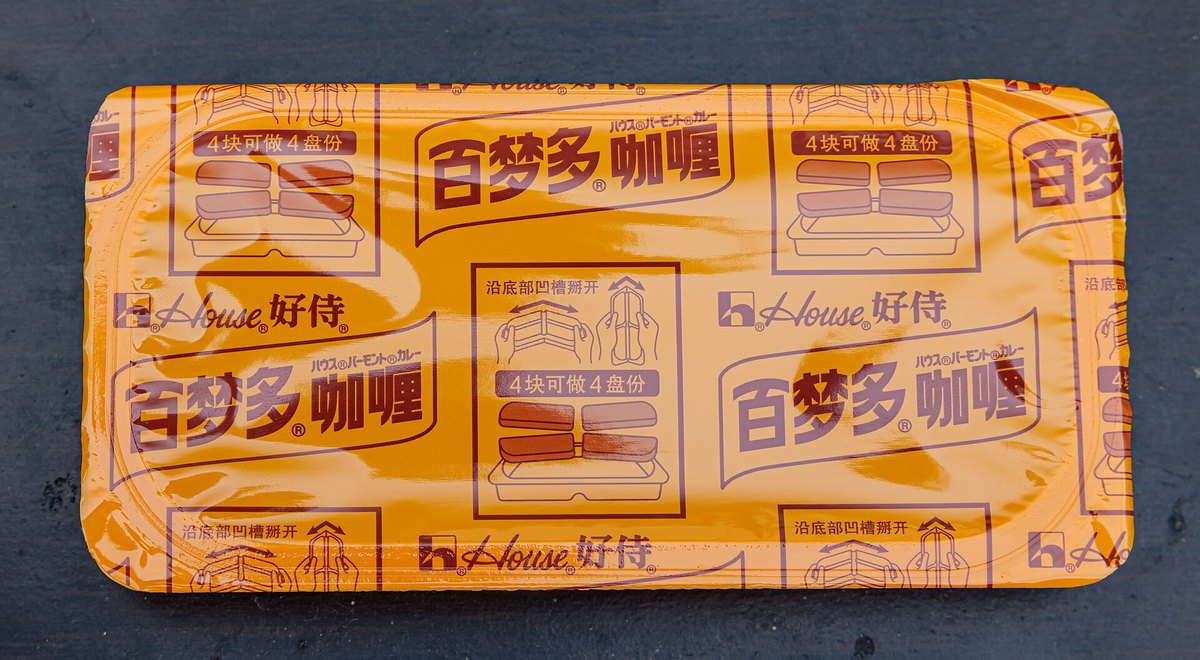
And the powder it replaced is still on the shelf. S&B’s tin is the direct descendant of the 1923 product:
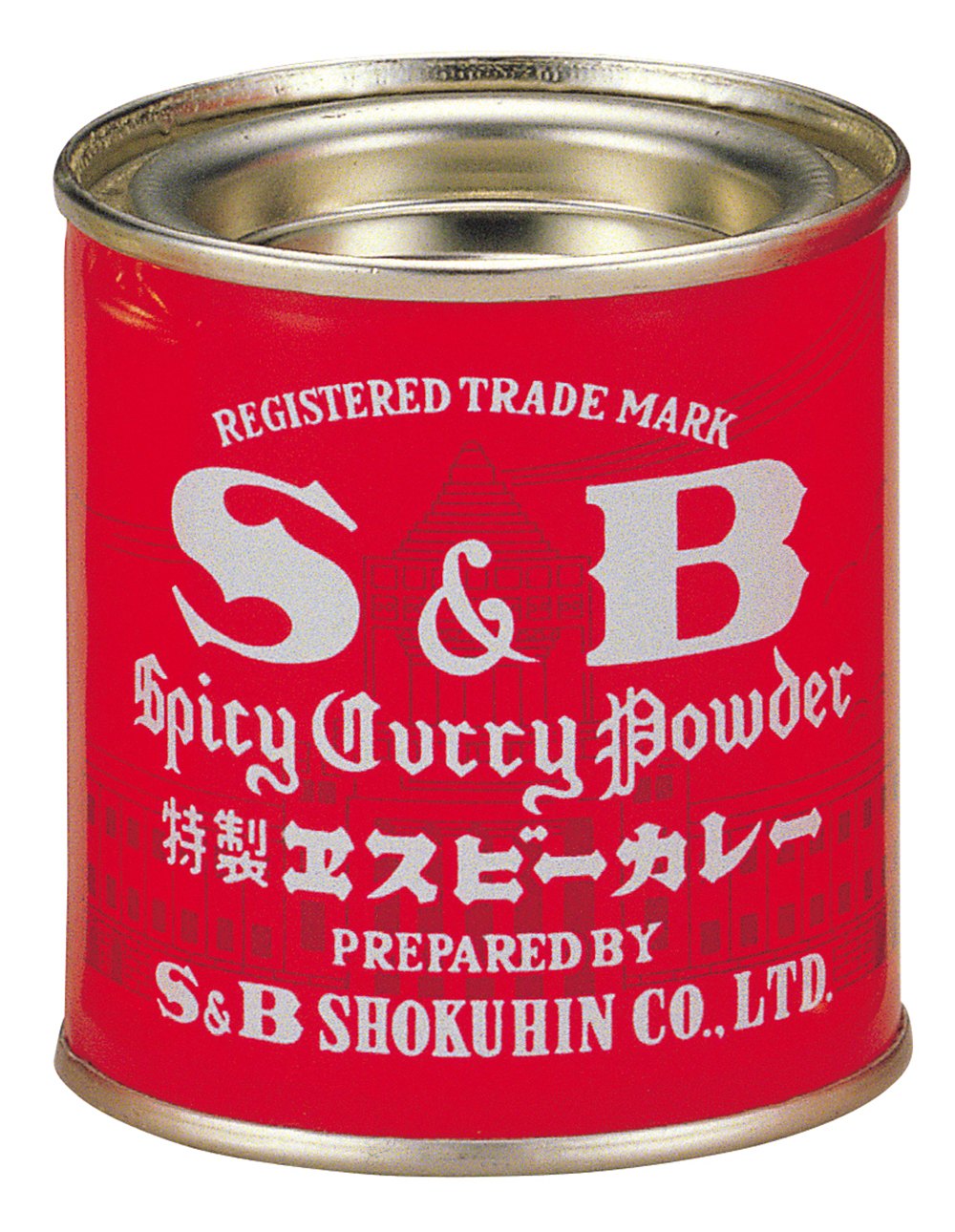
⭐ Why Japan’s most popular curry is named after Vermont
House Foods launched Vermont Curry in 1963, and it is still one of the best-selling curries in Japan. The box says “curry with a touch of apple and honey.”
Vermont has no curry tradition. So why?
Because of a 1958 American bestseller: Folk Medicine: A Vermont Doctor’s Guide to Good Health, by D. C. Jarvis, a physician in Barre, Vermont. Jarvis promoted “honegar” — apple cider vinegar and honey — as a cure for more or less everything, and the book sat on the New York Times bestseller list for about two years. It was translated, and “Vermont therapy” became a health fad in Japan.
House was developing a mild, sweet curry aimed at children — up to then curry was spicy and treated as adult food — and the sweetening agents were apple and honey. Which is to say: the same two things the Vermont fad was about. So they put Vermont on the box.
A Japanese curry, descended from a British naval ration, named after an American folk-medicine craze, sweetened with apple and honey. Four countries and a fad, in one box on a supermarket shelf.
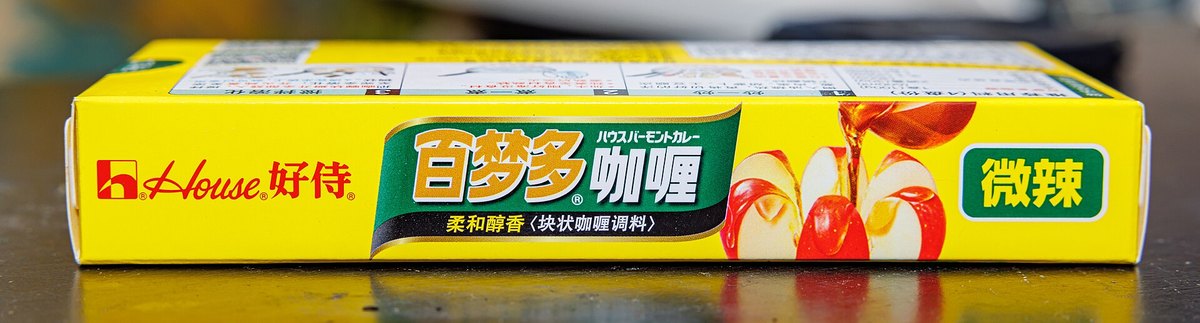
🔴 And it corrects something in my own file. My Japanese Curry recipe lists “1 apple, grated (secret ingredient).” It is a good instinct and the recipe is right to include it — but it is not a secret. It has been printed on the front of the best-selling curry box in Japan since 1963. Apple and honey are the stated formula of Vermont Curry, not a trick.
Making it
Two routes, and my file has the from-scratch one.
With blocks — the way nearly every Japanese household does it. Brown the meat, cook onion down properly, add carrot and potato, simmer in water or stock until tender, take it off the boil, dissolve the cubes in, then simmer gently to thicken. The one rule: do not add the roux to a hard boil, it goes lumpy.
From scratch — make the roux yourself. Butter and flour cooked to a light-to-medium brown, curry powder and garam masala toasted into it, then let down with stock. Japanese Curry in my file does exactly this, and it is the better version if you have twenty spare minutes; the block is the better version on a Tuesday.
My recipe: Japanese Curry Roux, From Scratch — a block replacement you can make ahead, chill and cut into cubes.
The classic add-ins are worth knowing because they are why Japanese curry tastes the way it does: grated apple, honey, a spoon of ketchup, a splash of Worcestershire, sometimes instant coffee or a square of dark chocolate. All of them are doing the same job — sweetness, acid and roasted bitterness against the flour-thickened spice.
What to serve it on and in
- Karē raisu — over rice. The default.
- Katsu karē — with a breaded fried cutlet. My file has Tonkatsu and Hirekatsu; put either on rice and ladle curry over.
- Karē udon — thinned with dashi, over thick noodles. Excellent and underrated.
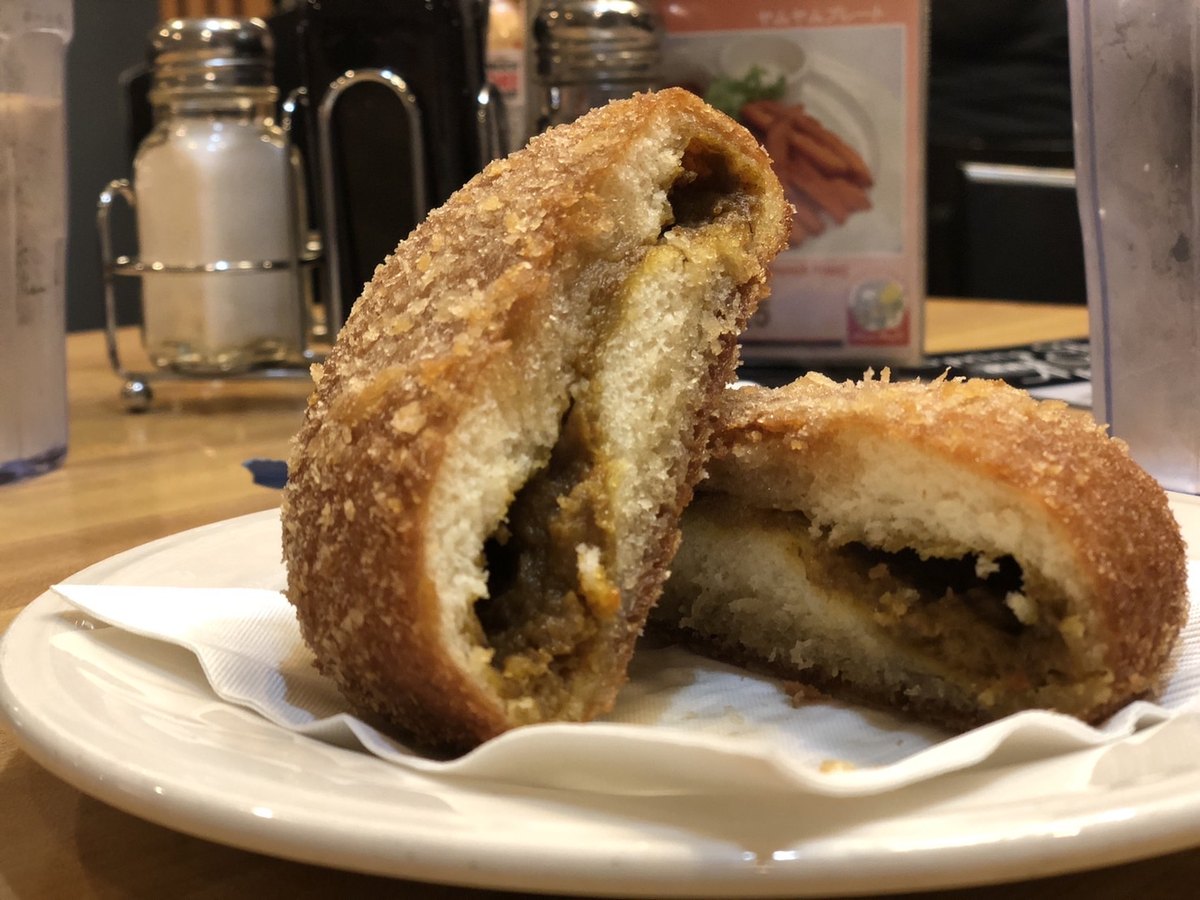
- Karē pan — curry sealed in bread dough, crumbed and fried.
- Japanese Curry Rice (Kare Raisu) — Morimoto’s version, in my file.
- Bento Box, Japanese Beef Curry.
And it is served with fukujinzuke, the red-brown sweet-savoury pickled relish, or with rakkyo, pickled Chinese scallions. Not optional in my view — the sauce is rich and flat without something sharp beside it.
Comments (0)