Cheese

The World Tour

The uncommon cheeses are the point of this wing, not a footnote — because they are the evidence that the "rules" of cheese are mostly regional habit. Two European protection schemes looked at raw milk in the same decade and wrote down exactly opposite requirements.
France
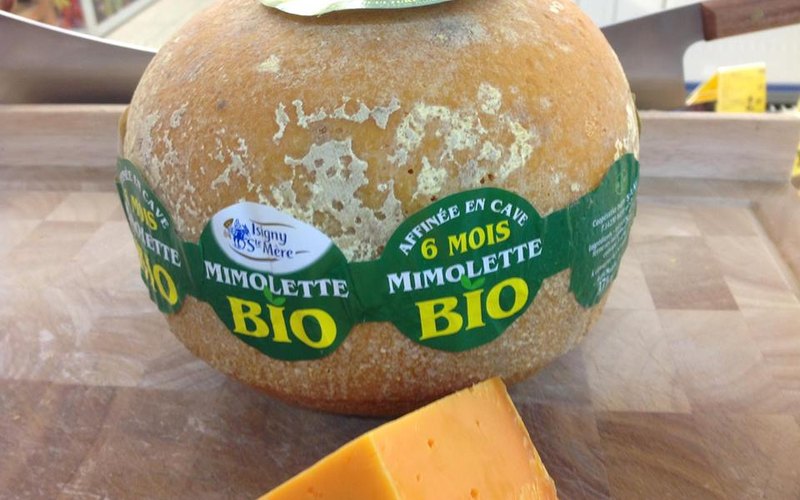
France Past the greatest hits: the Camembert "peace deal" everybody reported and that is not in force, and the cheese the FDA classed as filth over four thousand mites per square inch. Explore →
Italy
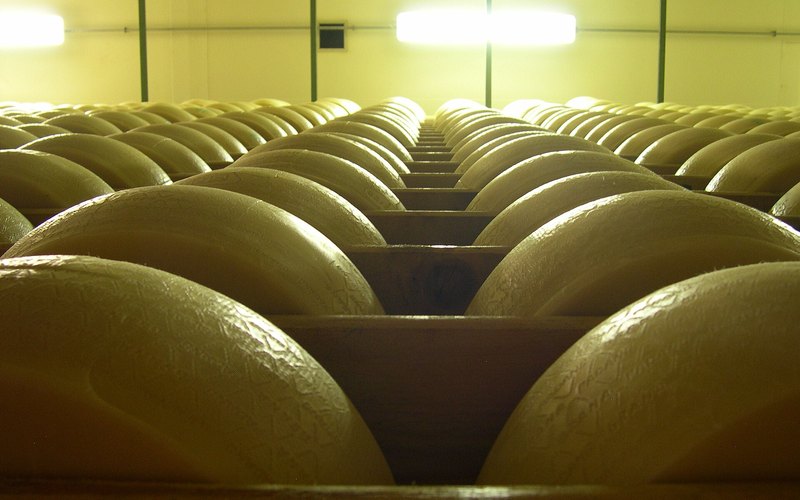
Italy Organised by technique rather than place. A bank vault holding 430,000 wheels as loan collateral, a pecorino set with pig rennet that should be bitter and is not, and casu marzu — banned and heritage-protected at once. Explore →
Britain & Ireland
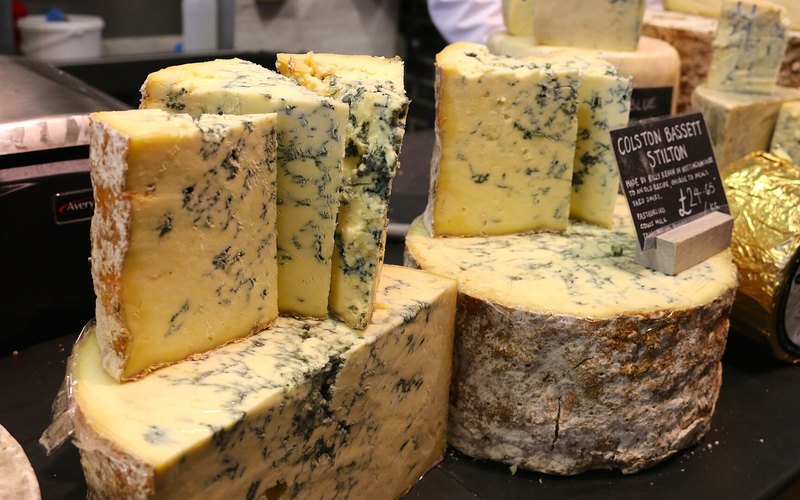
Britain & Ireland The Stilton story everyone tells is the less interesting half. Stichelton is made inside the protected counties and still cannot use the name — because the disqualifier is pasteurisation, not place. Explore →
Switzerland & Austria
Switzerland & Austria The holes in Swiss cheese are seeded by barn dust, and they are vanishing because milk got cleaner. Plus a cheese saved by a gadget invented in 1982, and a specification fixed by public vote in 1463. Explore →
The Netherlands & Belgium
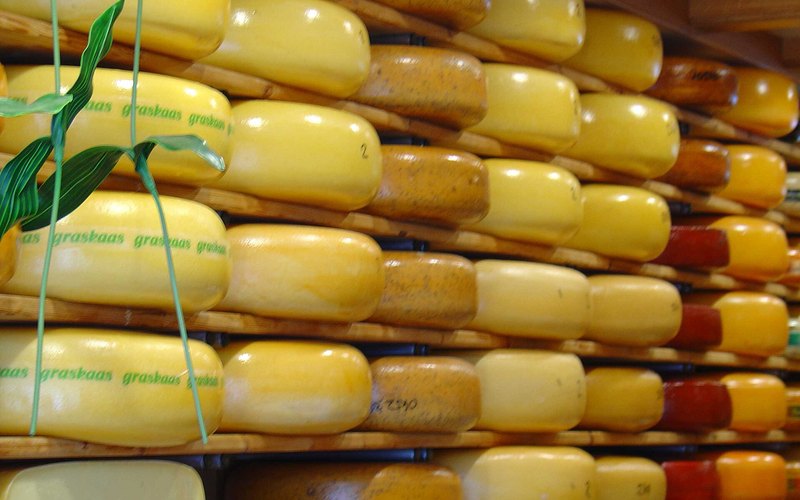
The Netherlands & Belgium Cheese engineered for trade, and the protection scheme that makes raw milk compulsory — the exact opposite of Stilton, under the same law, in the same decade. Explore →
Spain & Portugal
Spain & Portugal Some of Europe’s best cheeses are set with a thistle flower rather than rennet — and the cardoon literature corrects something I got wrong two pages earlier about proteolysis and bitterness. Explore →
Germany
Germany Europe’s largest cheese producer with almost no reputation. Sour-milk cheese as a mainstream product, and a cheese ripened by mites that are eaten with it — in a village that put up a monument to them. Explore →
Scandinavia
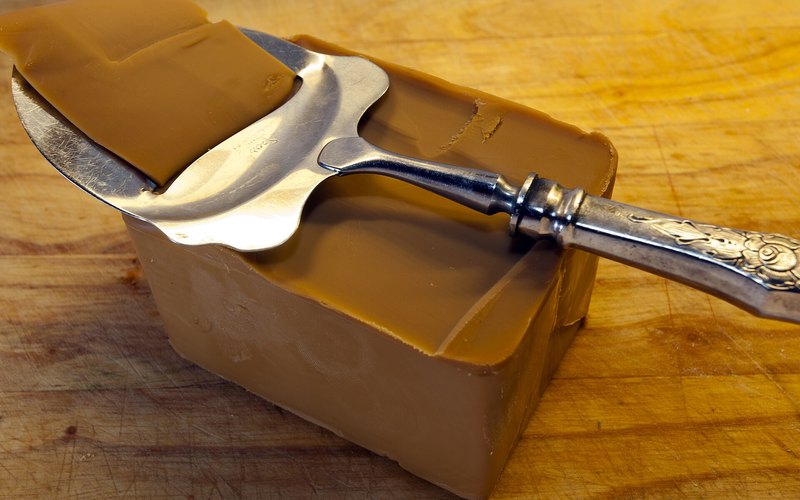
Scandinavia Four Nordic icons and not one is an aged rennet wheel. Brunost is not a cheese at all, skyr genuinely is one, and two of these were invented by named women in the nineteenth century. Explore →
Eastern Europe & the Balkans
Eastern Europe & the Balkans A cheese still ripened inside a sheep’s stomach — which answers the question this whole section opened with. And one fifteenth-century shepherds’ migration explains half the region’s cheeses. Explore →
Greece & Turkey
Greece & Turkey The container reaches its end — skin sacks and olive oil — and a 2005 court judgment finishes the wing’s argument by rejecting the most reasonable-sounding case in it. Explore →
The Middle East
The Middle East Where dairying began, and where a jar is a permanent installation — mish ferments for years. Plus the rind treatment my own list was missing: a dry spice crust. Explore →
The Caucasus & Central Asia
The Caucasus & Central Asia The strangest cheeses in the wing: aged in a sheepskin that gives the cheese its name, blued in a clay pot with no inoculation, and pulled into threads finer than wool. Explore →
India & South Asia
India & South Asia The largest milk producer on earth, with almost no aged-cheese tradition — which is not a paradox. Cheese is one of several things you can do with milk, and India solved the problem twice over by other means. Explore →
East & Southeast Asia
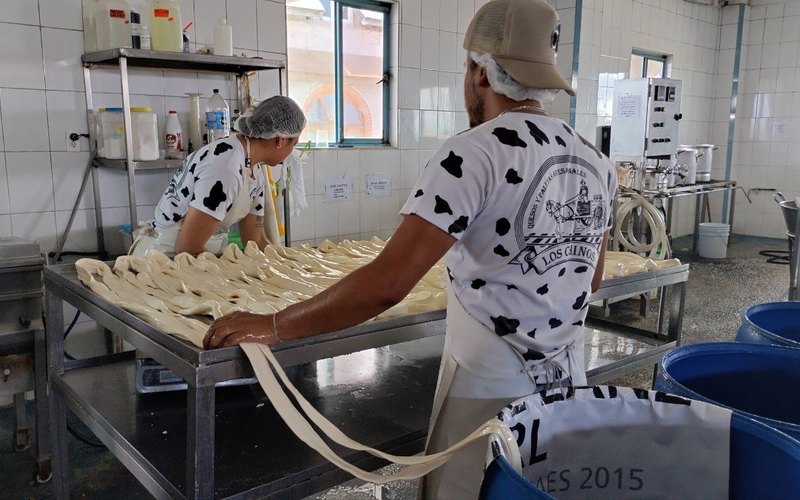
East & Southeast Asia "No cheese here" is wrong, and the lactose-intolerance explanation is backwards — cheesemaking is what a lactose-intolerant population does with milk. Four cheeses, four non-animal coagulants. Explore →
Latin America
Latin America Before 1492 there was no dairying in the Americas at all — which makes this the wing’s control group. The technique arrived fully formed, and you can watch the climate rewrite it in five hundred years. Explore →
The United States
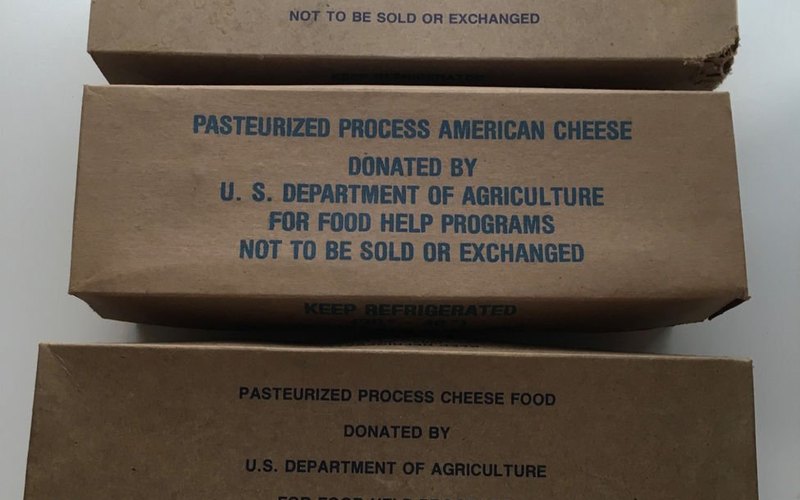
The United States A university that sells cheese in a can, 560 million pounds of surplus in a limestone mine, and — in 2019 — the first American cheese to be named the best in the world. It is wrapped in leaves. Explore →
Canada
Canada A monastery cheese with a named founder and a date, the fourth institutional answer to the smallholder problem — and the squeak, which is the only quality test in this whole section a customer can perform in a shop. Explore →
Africa & Oceania
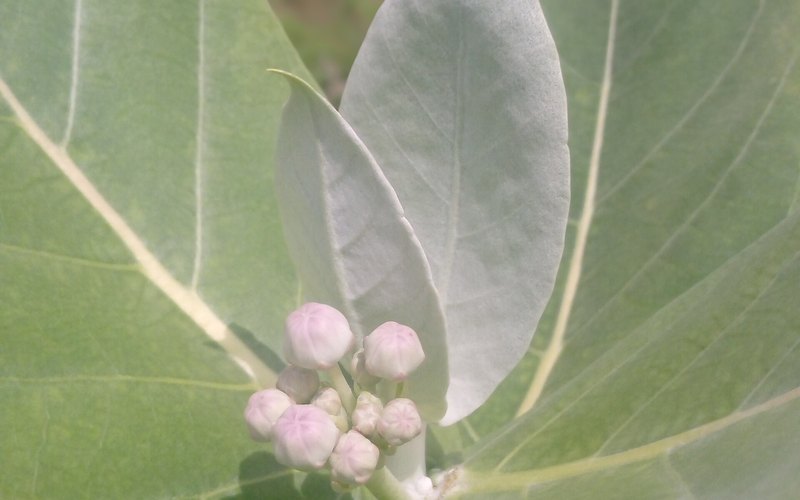
Africa & Oceania The last and best plant coagulant — calotropain, which sets curd at 70 °C, a temperature that would destroy calf rennet — and a legal victory undone by an administrative tidy-up. Explore →
The Ones Nobody Here Has Heard Of
The Ones Nobody Here Has Heard Of The wing’s findings gathered: six patterns you cannot see from any single region, four named plant coagulants, and the conclusion that almost everything the books call a rule is a regional habit. Explore →

Get new content

Occasional emails when something significant ships. No spam, unsubscribe anytime.