Buying, Storing and Using
Everything in this dive converges on three practical questions: which bottles are worth owning, how to keep them, and when in the cooking to add them.
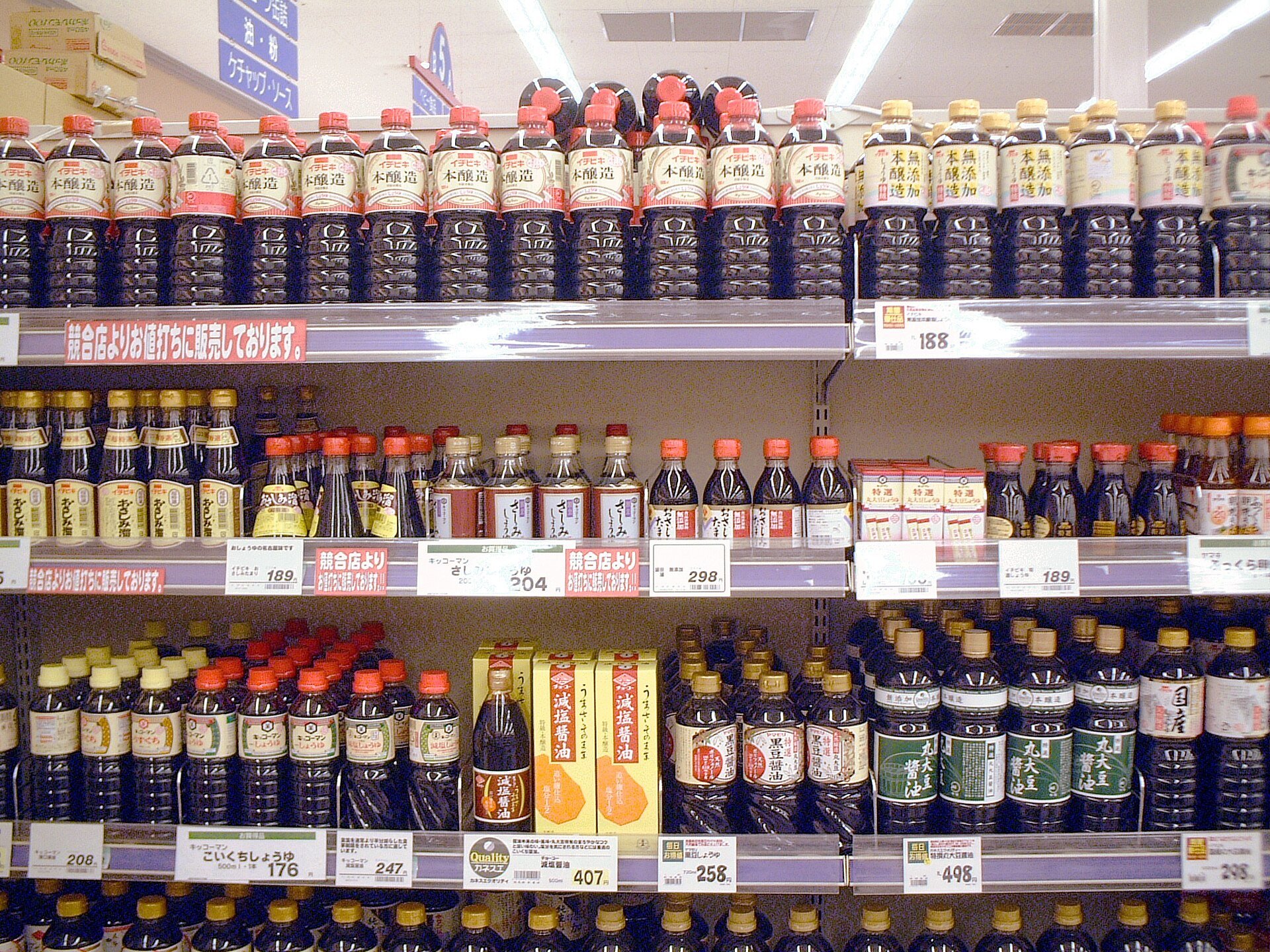
What to own
A kitchen that cooks across East Asia needs three bottles, not one. They are not interchangeable and the substitutions do not work.
The core three:
| Bottle | Job | What to look for |
|---|---|---|
| Japanese koikuchi | The all-purpose one: dressings, dipping, marinades, finishing | 本醸造 (honjōzō). Ideally 丸大豆 (whole soybean) and 特級 |
| Chinese light soy (生抽) | Salt and savour in Chinese cooking, without colour | 釀造醬油 (brewed); 氨基酸态氮 ≥0.8 if printed |
| Chinese dark soy (老抽) | Colour, used by the teaspoon | Accept the caramel; buy a small bottle, it lasts |
Worth adding, in roughly this order:
- Tamari — for dipping, glazing, and for anyone avoiding wheat (check the label — see the gluten question).
- Korean guk-ganjang — if Korean soups and namul are cooked at all. Nothing substitutes for it.
- Usukuchi — for clear soups and pale simmered dishes. Remember it is saltier, not milder.
- Kecap manis — for Indonesian cooking, and an excellent glaze generally.
- Mushroom dark soy (草菇老抽) — a straight upgrade on plain dark soy in braises.
- Steamed fish soy (蒸魚豉油) — a one-job bottle that does its job better than anything improvised.
⭐ Buy the size that will be used in three or four months, not the best value per litre. Soy sauce degrades by oxidation once opened, and a half-empty two-litre jug at month ten is a worse sauce than a fresh small bottle, whatever it cost.
The buying check, condensed
- Turn the bottle around and read the ingredients. Water, soybeans, wheat, salt — good. Hydrolyzed soy protein, corn syrup, caramel color — a different food, and here is why.
- Look for a regulated term: 本醸造 · 釀造醬油 · 양조간장.
- Look for a grade: 特級, or a printed amino acid nitrogen figure.
- Ignore the colour, and ignore the word “aged.” Neither is regulated and neither is evidence.
- Ignore “naturally brewed” on a US-market bottle — it means nothing legally. The ingredient list is the check.
Storing it: the enemy is air, not microbes
Soy sauce at 16–19% salt is not going to go dangerous. It will go dull, and it will do so faster than most people expect.
Oxidation is the mechanism. Contact with air darkens the sauce and flattens the aroma — the volatile compounds that took a year to build are the first things to leave.
What the largest manufacturer actually recommends, which is more specific than the folklore:
- Refrigeration after opening is recommended for quality, not safety. An unrefrigerated bottle should not spoil, provided nothing has been added to it.
- Best flavour is within about one month of opening.
- Refrigerated, it is good for about a year, and usable beyond that with a taste check.
Three practical consequences:
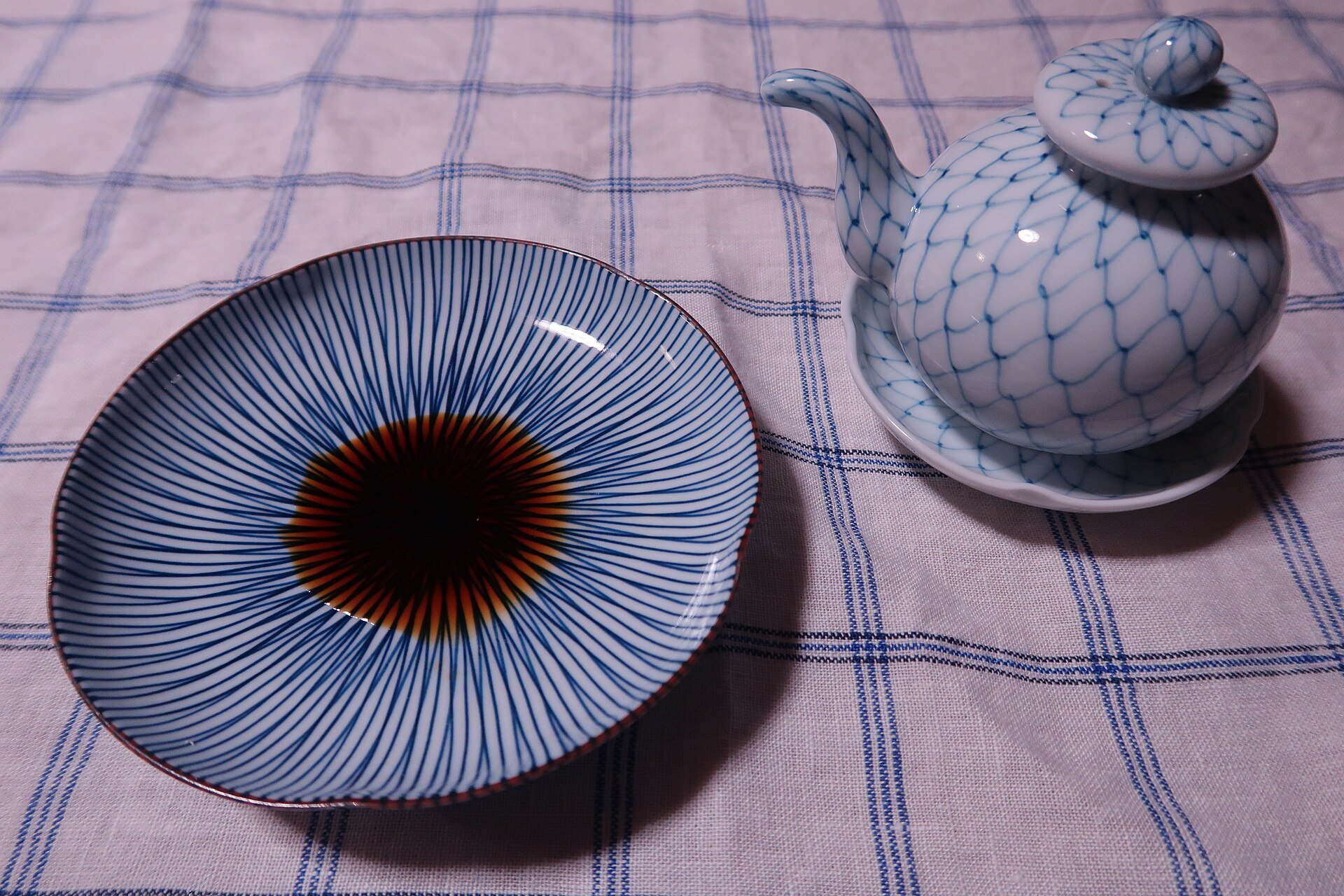
- Decant into a small cruet for the table and keep the main bottle cold and closed. This is precisely what a shoyu-sashi is for, and why it holds so little.
- Buy small. See above.
- ⚠ Reduced-sodium sauce should be refrigerated as a rule, not a preference — 40% of its salt was removed after fermentation, so it has lost part of what made the full-strength version shelf-stable.
Using it: the timing is the technique
The single most useful principle is that soy sauce contains two quite different things, and heat treats them oppositely.
| Component | Behaviour under heat |
|---|---|
| Salt, glutamate, sugars, melanoidins | Survive. Concentrate. Brown and deepen |
| Aroma — HEMF, HDMF, esters, alcohols | Volatile. Driven off quickly |
⭐ So there are two correct moments to add soy sauce, and they do different jobs.
Early, for depth and colour. Into a braise, a simmer, a red-cooked dish, a marinade. The aromatics are sacrificed deliberately and what remains is savour, colour and the Maillard chemistry it drives on the surface of meat.
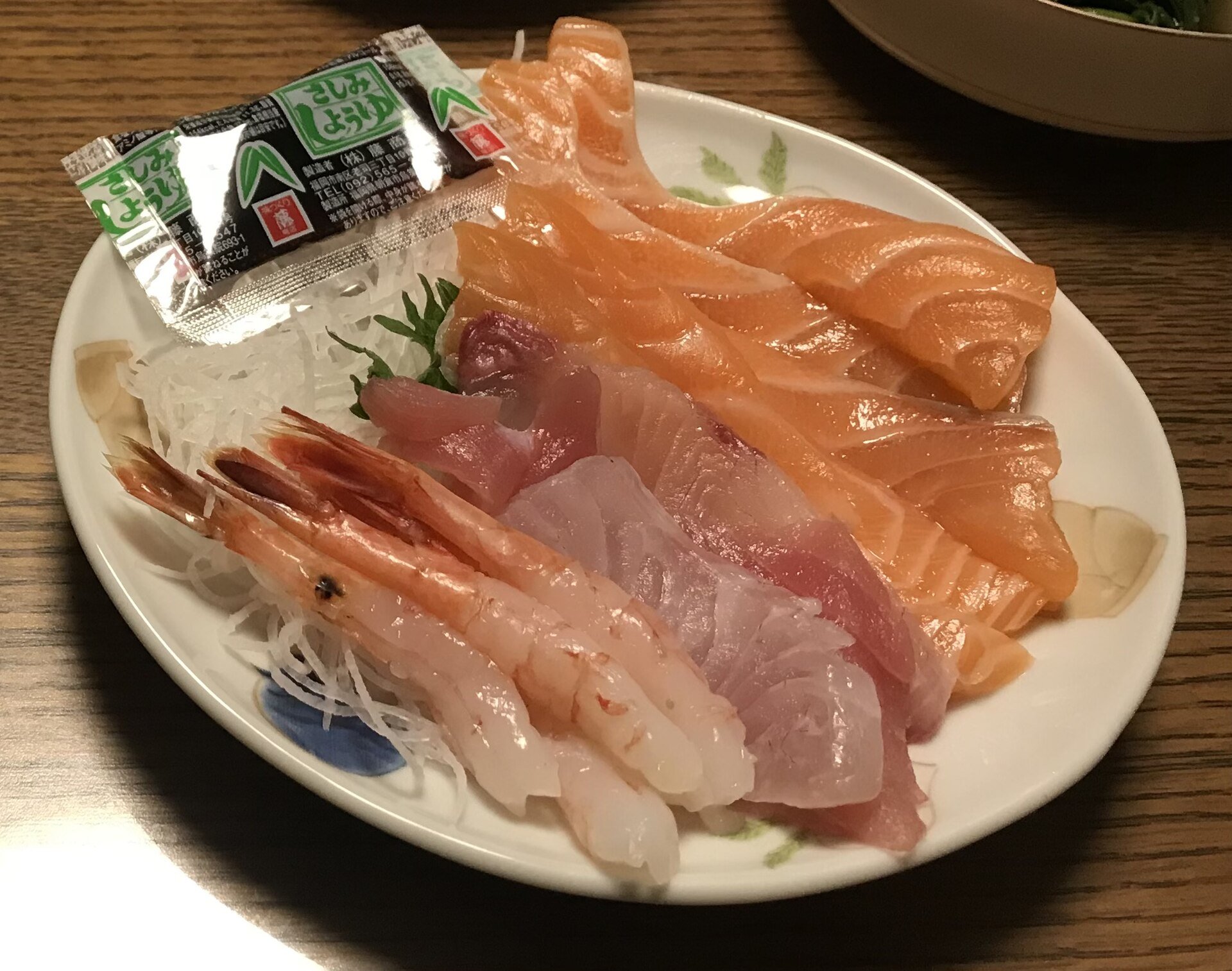
At the end, off the heat, for aroma. A thread of soy over finished vegetables, a dressing, a dipping bowl, the last swirl into a stir-fry as it leaves the wok. This is where an expensive sauce earns its price, and where a cheap one cannot hide.
🔴 A finishing sauce boiled in a braise is money burned. Saishikomi, first-draw light soy, barrel-aged koikuchi and good tamari are all bought for aromatics that will not survive twenty minutes at a simmer. Use the cheap bottle for the long cook and the good bottle at the table — which is, not coincidentally, how it is done in the countries that make it.
What soy sauce wants alongside it
- Acid. The Philippine reflex of toyomansi — soy with calamansi — is the clearest demonstration. Citrus or rice vinegar lifts soy sauce out of flatness faster than anything else, which is the whole principle behind ponzu.
- Fat. Sesame oil, chicken fat, butter. Soy sauce is water-soluble and needs a fat to carry it onto the palate.
- Sugar. Not to sweeten but to balance the salt and to enable browning — the reason teriyaki, kecap manis and red-cooked dishes all work.
- Aromatics added late. Scallion, ginger, garlic.
And two places it is already doing quiet work elsewhere in this collection: the finishing thread of soy and sesame oil poured over Chinese steamed egg, and the brine of marinated eggs, where it is the whole point.
The mistakes worth naming
- Using dark soy where light soy was meant. Stains the dish muddy and undersalts it.
- Using usukuchi as if “light” meant “mild.” It is the saltiest Japanese type.
- Substituting tamari one-for-one into a koikuchi dish. Heavier, flatter, less aromatic — a real change, not a neutral swap.
- Salting a dish and then adding soy sauce. Soy sauce is a salt delivery system. Season after it, not before.
- Keeping the good bottle open on the counter for a year. The most common way to waste an expensive sauce.
In this dive: The story · How it is made · Tamari and shoyu · The Japanese types · Chinese soy sauces · Korean ganjang · Beyond the big three · Brewed and chemical · Salt, time and aging · The gluten question · Buying, storing and using · Corrections
Comments (0)