Okra: The West African Line
Okra is the oldest thread in the pot, and there is a decent argument that it is the one the dish is named after.
The name, and the plant
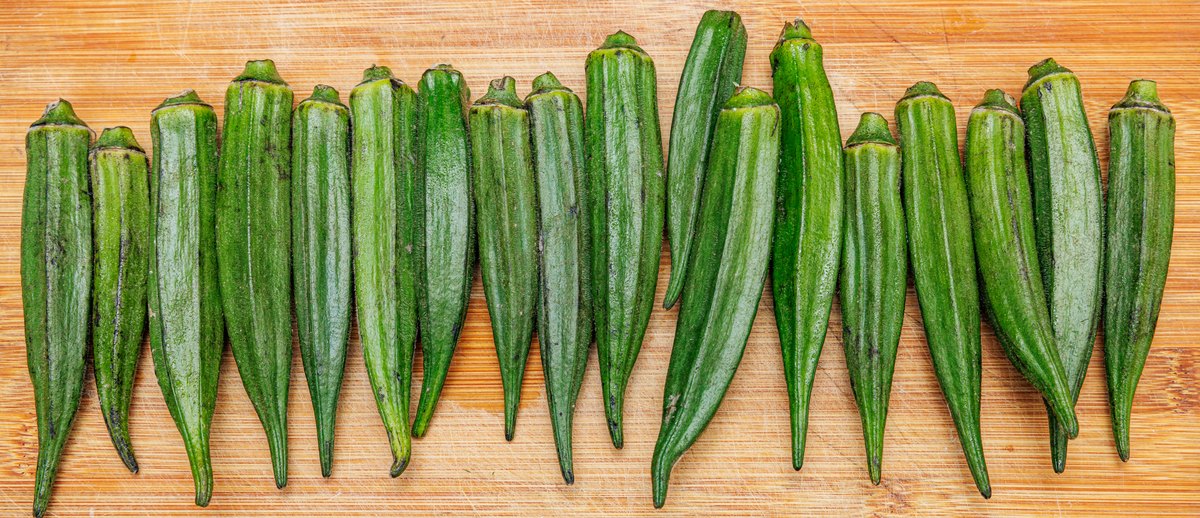
Abelmoschus esculentus is African. It reached the Americas through the Atlantic slave trade, and it thrives in exactly the heat and humidity that the Gulf coast has in abundance.
And gumbo is plausibly its name. The word is traced to West African terms for okra — ki ngombo and relatives in Bantu languages. The competing candidate is the Choctaw kombo, meaning filé. ⚠ The etymology is genuinely unsettled and I’m not going to pick a winner, but it is worth noticing that both candidates are thickeners and neither is French.
⭐ If the okra reading is right, then the dish is literally named “okra,” and every filé gumbo and every roux-only gumbo is a variation on a name it no longer contains. That’s a nice thing to know and a terrible thing to argue about at somebody’s table.
What okra actually does
Okra thickens through mucilage — the soluble fibre in the pods that goes slippery in liquid. It is the same property that makes people say they hate okra, and it is the reason it works in gumbo.
🔴 So the goal is not to eliminate the slime. It is to control how much of it you get. A cook fighting the mucilage entirely is fighting the ingredient’s whole function.
Three levers:
Cut size. More cut surface, more mucilage released. Whole small pods release very little; fine rounds release a lot. Half-inch rounds is the traditional gumbo cut and it is a middle setting, not a default.
Acid. Tomato or a splash of vinegar cuts the ropiness noticeably. ⭐ This is very likely why the Picayune’s okra gumbo carries six large tomatoes — the acid is doing structural work, not just adding flavour.
Heat, first, without liquid. The big one, below.
⭐ Fry the okra first — and the primary source says why
The best okra technique I know comes straight from The Picayune’s Creole Cook Book (1916), and it is worth following exactly.
The okra is browned in fat before any liquid goes near the pot. Two pints of it, sliced into half-inch rounds, cooked down first.
The dry heat breaks down a good deal of the mucilage before it can disperse into the broth. You get okra’s flavour and body without the pot going ropey. Simmering raw okra straight into liquid is what produces the texture people complain about, and it is what most disappointing okra gumbo has done.
🔴 And the book gives a specific warning that I’d underline: okra scorches easily, and the least taste of scorch ruins the whole gumbo. The book says so twice. So it is a genuine balance — you want real browning, and you cannot look away. Moderate heat, keep it moving, and stop before you think you need to.
⚠ This is the step that takes the time, and it is where the okra gumbos I’ve had that were merely fine differed from the ones that were very good.
Fresh, frozen, or not at all
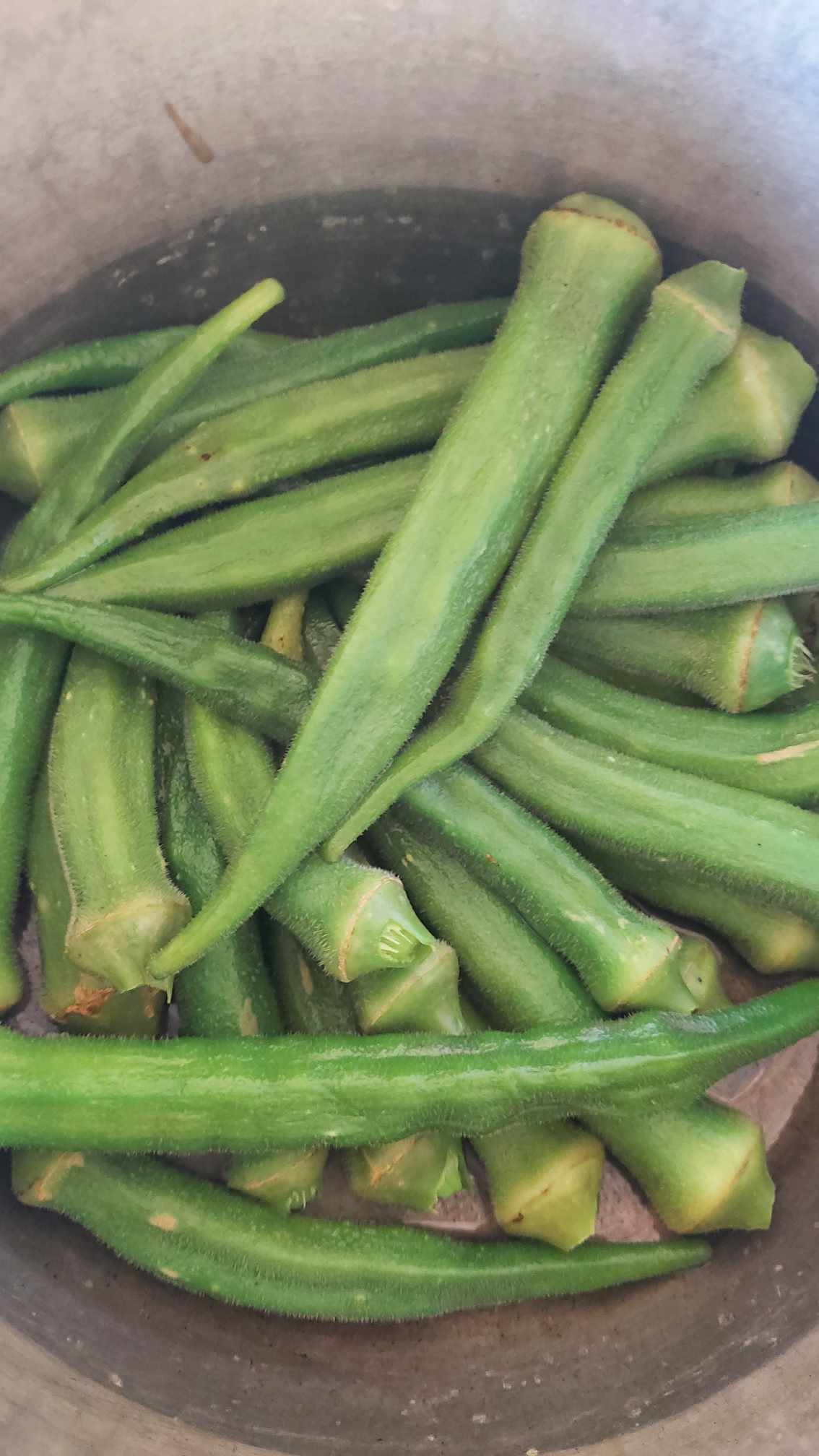
Fresh is best in late summer, when it’s cheap and small. Small pods are more tender and less fibrous; very large ones go woody and no cooking fixes that.
Frozen sliced okra works genuinely well, which is unusual for a frozen vegetable. It is already cut, so it will release mucilage readily — all the more reason to brown it hard before liquid.
Pickled okra is a different food and does not belong in the pot; the acid and the spicing are doing something else entirely. It has its own place over in the Pickled section.
When okra is not the answer
Okra is seasonal in a way the other two thickeners are not. Filé keeps in a jar. A roux is flour and fat, available in January. Fresh okra is a high-summer ingredient, and that alone explains a lot of regional preference: an okra gumbo is a summer gumbo, and a filé gumbo is what you make the rest of the year.
⭐ That may be the most practical explanation of the whole okra-versus-filé divide — better than the city-versus-country story, which doesn’t hold up anyway. Two thickeners, two seasons.
🔴 And it is the one thickener that stands alone. In the Picayune’s three gumbos, roux and filé appear together, but okra never shares a pot with either. That pattern, and what it means, is the spine of this section.
Recipes: Gumbo, Okra — Gombo Févi (Picayune 1916) · Fried Okra
Next: Filé — the Choctaw line, and a myth about cancer.
Comments (0)