My Visit to the Lodge Museum of Cast Iron
I have cooked on cast iron for as long as I can remember. A good skillet is the one pan I would keep if I had to give up all the others — it sears, it bakes, it holds heat like nothing else, and it only gets better the more you use it. So a trip to South Pittsburg, Tennessee, the little river town where Lodge has been pouring iron since 1896, had been on my list for a long time. This spring I finally made it to the Lodge Museum of Cast Iron, and I came home with a head full of history and a cookbook full of recipes.
A Foundry Town in the Foothills
South Pittsburg sits right where the Tennessee River bends through the foothills of Appalachia, near the point where Tennessee, Alabama, and Georgia all meet. You come over the ridge and the whole valley opens up below you — the river, the arch bridge, and the town tucked against the green hills. It is a small place, but for anyone who loves cast iron it is something close to a pilgrimage site: nearly every Lodge skillet, griddle, and Dutch oven in the country starts here, in two foundries on the edge of this town.
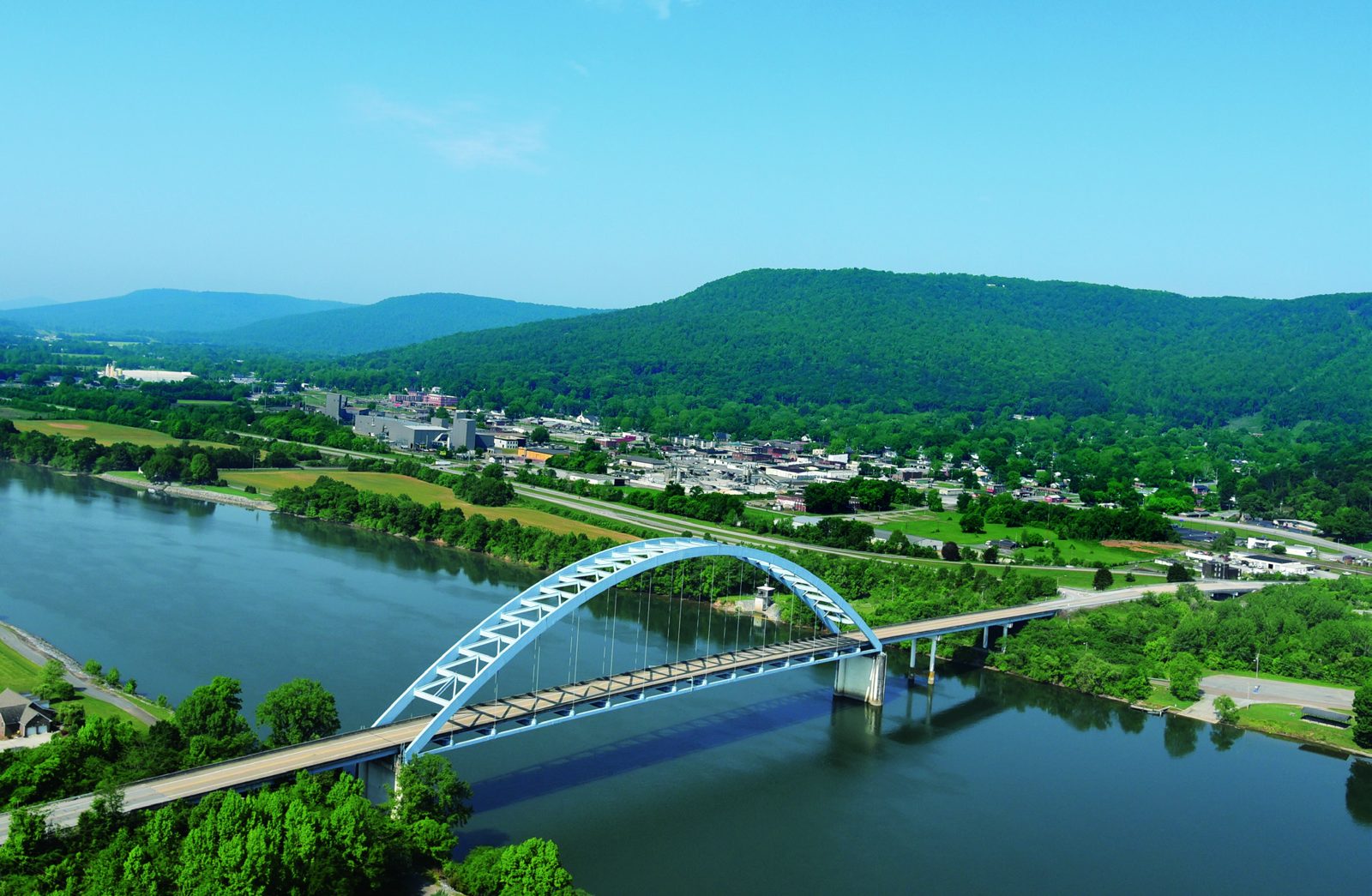
South Pittsburg, Tennessee, in the foothills of Appalachia. Image from the Lodge Cast Iron cookbook (Lodge Museum of Cast Iron, South Pittsburg, TN).
1896: How Lodge Began
The company was founded in 1896 by Joseph Lodge, who first opened his shop as the Blacklock Foundry, named for a local pastor he admired. The original foundry burned in 1910, and Joseph and his family rebuilt it just a few blocks away as the Lodge Manufacturing Company — the name it still carries today. What struck me walking through the museum is how unbroken that line is: Lodge is still family-owned, still in the same town, still making cookware more than 125 years later. Not many American manufacturers can say that.
Inside the Museum
The museum tells the whole story of cast iron — not just Lodge’s, but the metal itself: how iron is melted and poured into sand molds, why a cast-iron pan holds and radiates heat the way it does, and how these pans became the workhorses of American kitchens for two centuries. There are vintage pieces, old foundry tools, and displays that walk you through the casting process from molten iron to the seasoned skillet that ends up on your stove. As someone who uses these pans every week, it was a treat to see how they are actually made.
The Southern Foodways Alliance Gallery
One of my favorite parts was the interactive gallery built in partnership with the Southern Foodways Alliance. The SFA, based at the University of Mississippi’s Center for the Study of Southern Culture, documents and celebrates the food cultures of the changing American South — oral histories, films, podcasts, and the stories of the cooks behind the dishes. Their gallery inside the museum brings those food stories to life, and it makes the point that cast iron is not just equipment; it is tied up with how the South cooks, gathers, and remembers. It is a fitting partnership, and it is woven right through the cookbook I brought home.
The Factory Store
You cannot walk out without going through the Lodge Factory Store, and I did not try very hard to resist. The store carries the full line — skillets, griddles, camp Dutch ovens, enameled pieces — along with factory seconds at a discount, which are cosmetically imperfect but cook exactly the same. It is dangerous for a cast-iron enthusiast. I may have added a piece or two to my own collection.
Cooking From the Cookbook
The best souvenir was the Lodge Cast Iron cookbook I picked up at the museum — 52 recipes contributed by Southern cooks, chefs, and Lodge’s own kitchen, every one of them built around cast iron. Pableaux Johnson’s Monday Night Red Beans, Erika Council’s biscuits, skillet cornbreads and cobblers, a whole seafood boil in a Double Dutch Oven. I have added all of them to my recipe collection here under a new Cast Iron category, and each one carries a note that it came home with me from this visit.
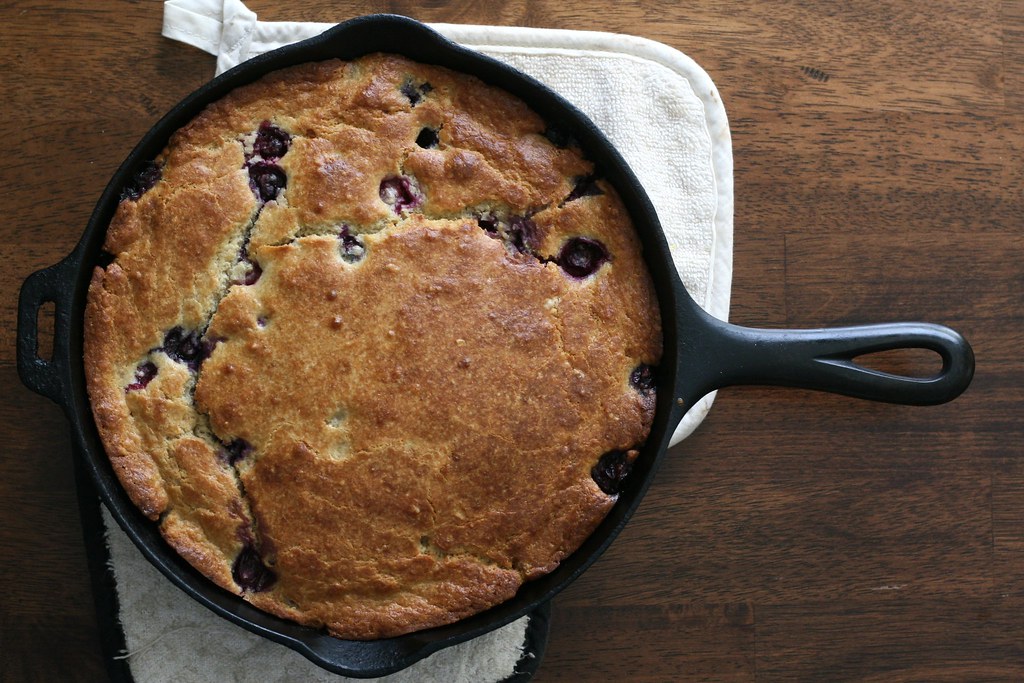
Cornbread in a well-seasoned cast-iron skillet — the kind of everyday cooking these pans were made for. Photo: “Baking in Cast Iron Skillet” by Chiot’s Run, licensed under CC BY-NC 2.0, via Flickr.
If you love to cook and you find yourself anywhere near the Tennessee–Alabama line, make the drive to South Pittsburg. Walk through the museum, watch how the iron is poured, and then go home and make cornbread in a hot skillet. That, more than anything, is what the whole place is about — good iron, and the food it has been making for generations.
Comments (0)